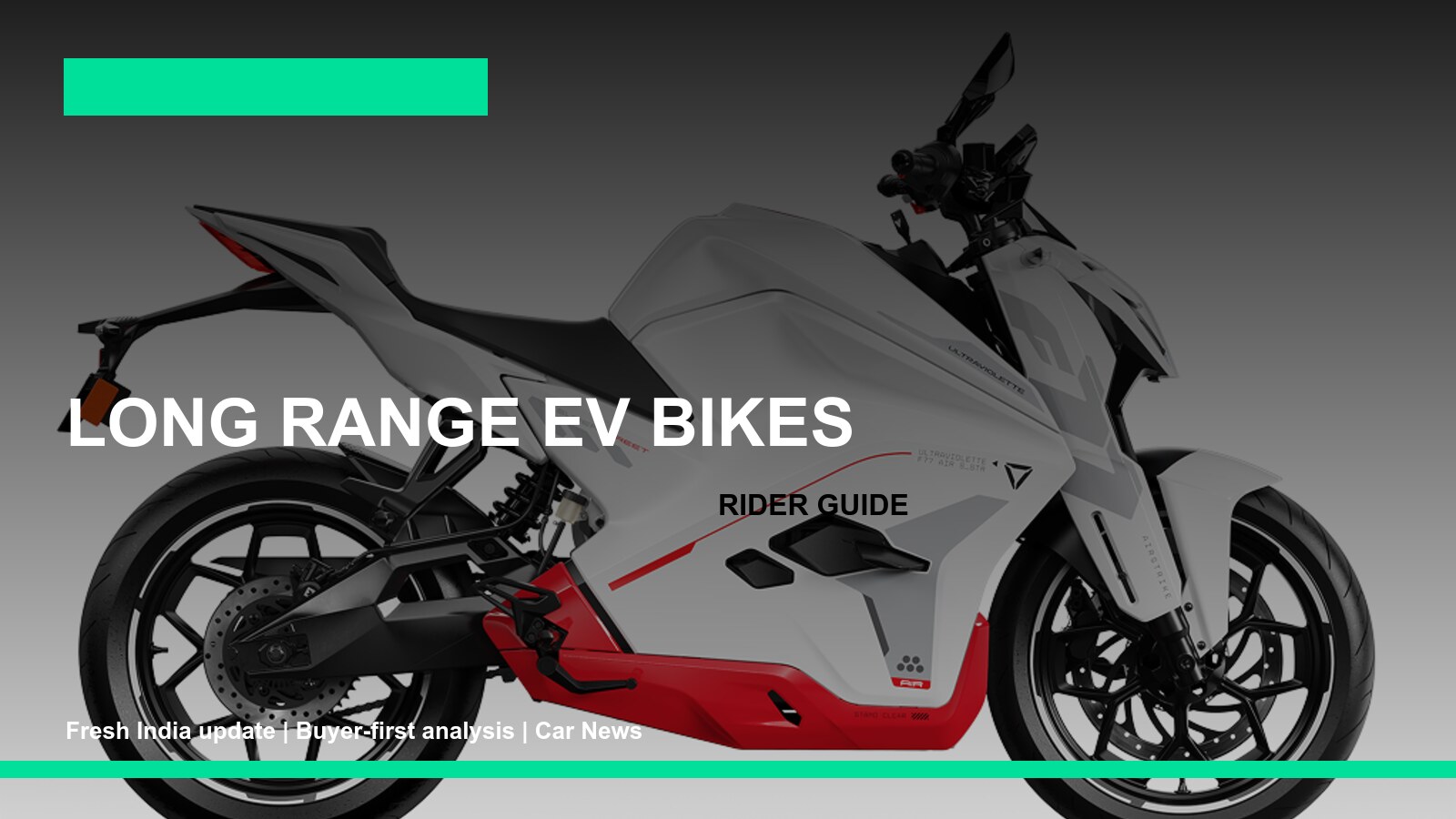
The EV Side Has Better Momentum Than Before
EV vs ICE Bikes is no longer a simple fuel-saving debate. Autocar Professional reports that India sold a record 1.4 million electric two-wheelers in FY2026, giving e-2Ws a 57 percent share of the country's EV market and a 6.54 percent penetration in total two-wheeler sales.
Government support keeps the category relevant too. PIB's PM E-DRIVE update lists a Rs 10,900 crore scheme outlay and shows progress heavily concentrated in electric two-wheelers. That matters because incentives can reduce the upfront gap that once made petrol bikes the automatic choice.
Petrol Still Wins for Some Riders
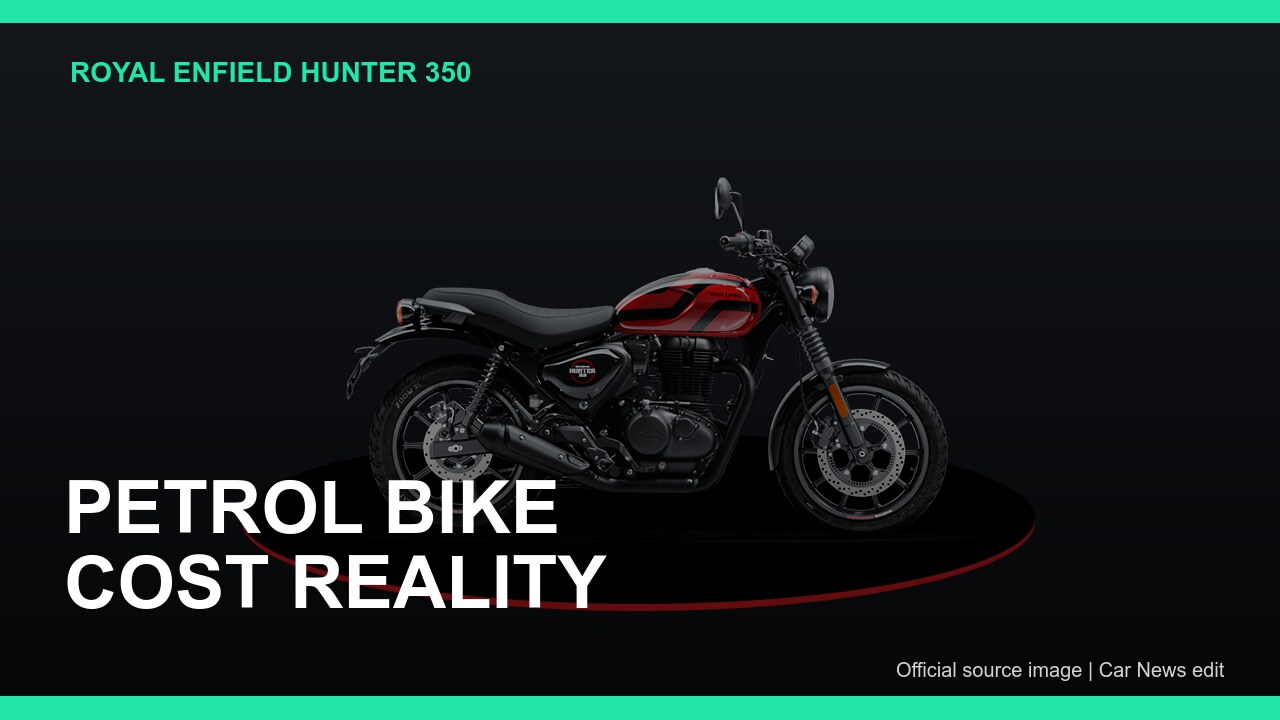
ICE bikes remain strong for riders who travel long distances, live without home charging, need quick refuelling or depend on small-town service networks. A reliable 100-160 cc petrol commuter is still hard to beat for simplicity, resale confidence and repair familiarity.
The mistake is assuming every EV automatically saves money. If you pay a high on-road price, buy expensive accessories, rely on paid public charging or face service delays, the cost advantage can shrink quickly.
The honest test
If your daily ride is predictable and you can charge at home, an EV scooter or motorcycle deserves a serious look. If your route is uncertain and service reach matters more than software features, petrol may still be safer.
BaaS, Warranty and Network Are the New Deciders
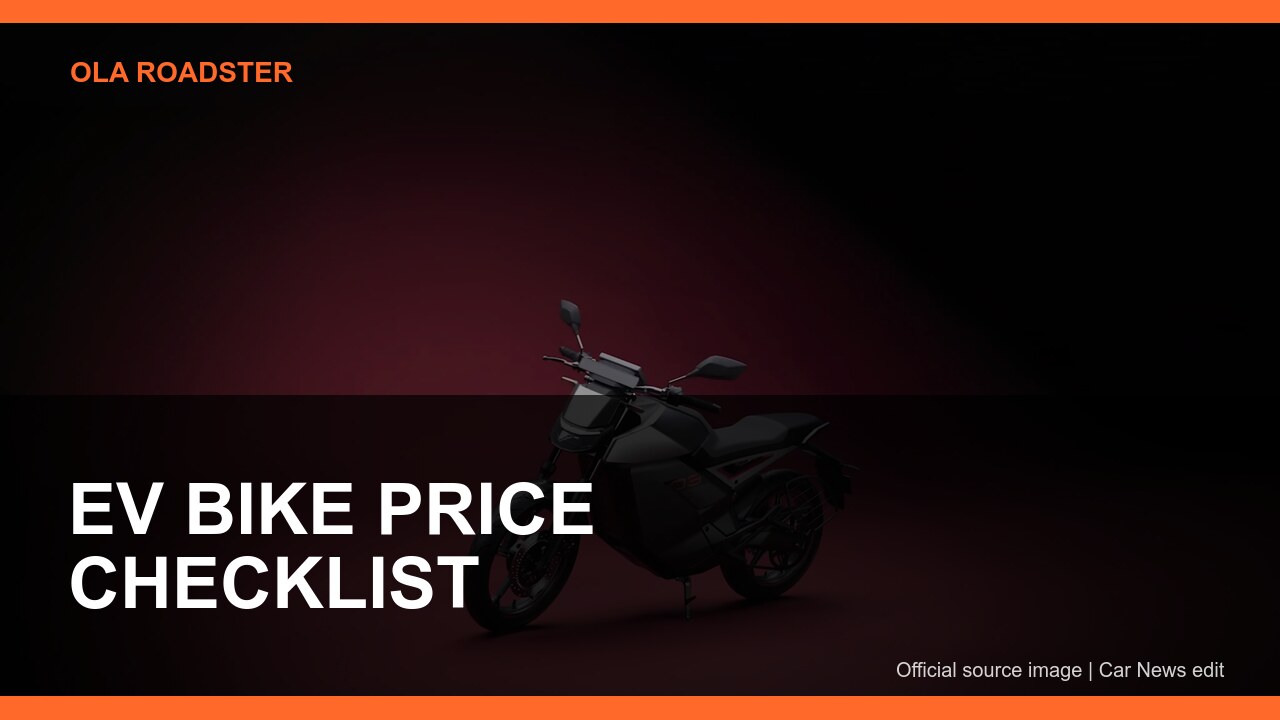
Battery-as-a-Service, longer battery warranties and larger charging networks are changing how riders compare EVs with petrol bikes. Ather highlights a large fast-charging network on its Rizta page, while Ola is pushing electric motorcycles through the Roadster line.
But buyers should look past launch pricing. Ask about battery replacement terms, roadside assistance, service appointment availability, software update history and resale value. Those questions separate a good EV ownership plan from a cheap-looking booking price.
Best Choice by Use Case
For city commuting under predictable daily distances, an EV two-wheeler can be the better long-term buy if charging is easy. For mixed rural and highway use, a petrol bike still gives flexibility. For riders who want performance, premium EV motorcycles are exciting but need careful delivery and service checks.
The best answer in 2026 is not EV or petrol in isolation. It is the vehicle whose running cost, service access and daily convenience match your real route.
Conclusion
EV vs ICE Bikes now depends on use case more than ideology. Choose an EV when charging and service are predictable; choose petrol when flexibility, repair access and long-distance certainty matter most.