Range Rankings Are Useful, but They Are Not the Decision
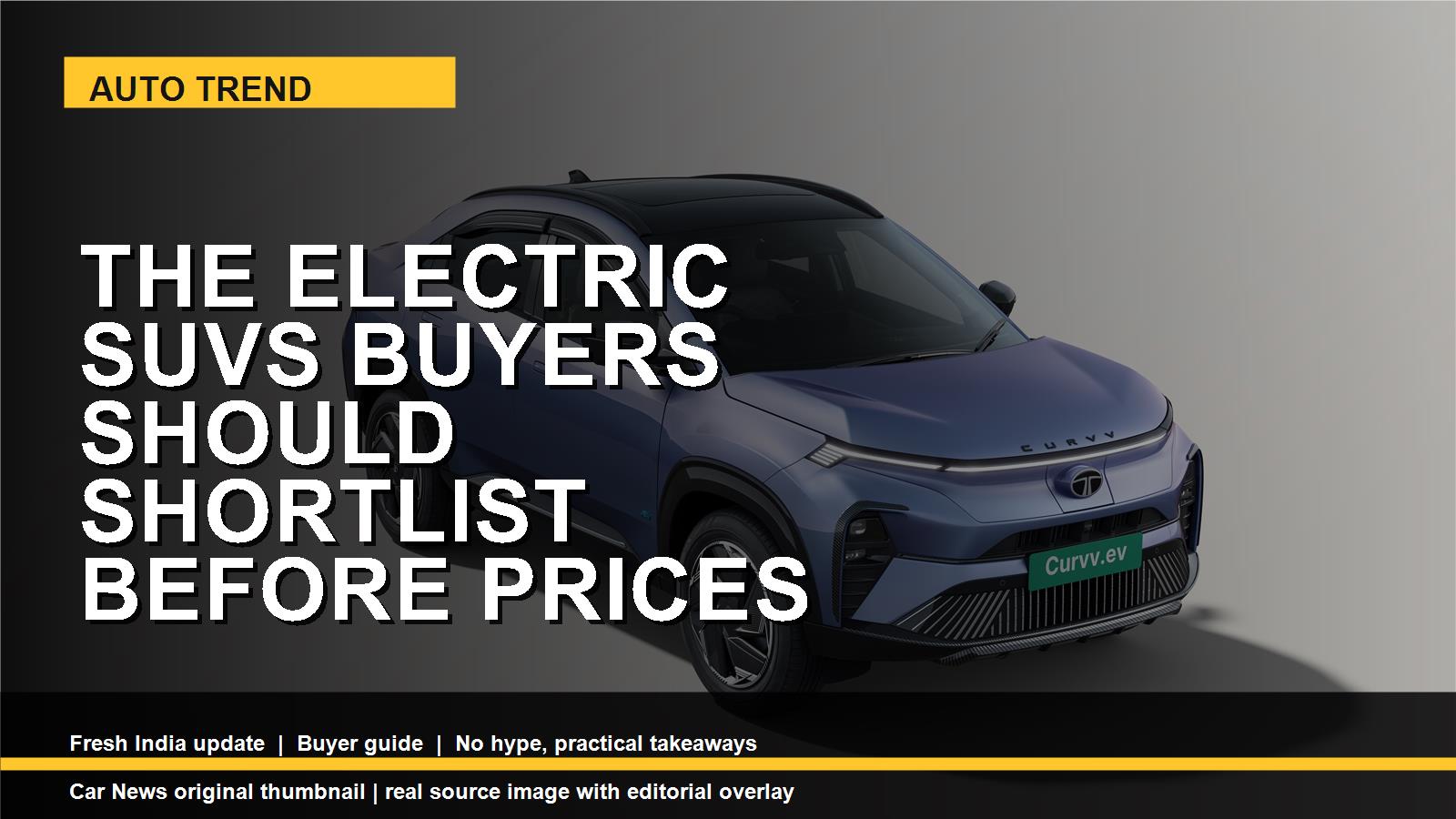
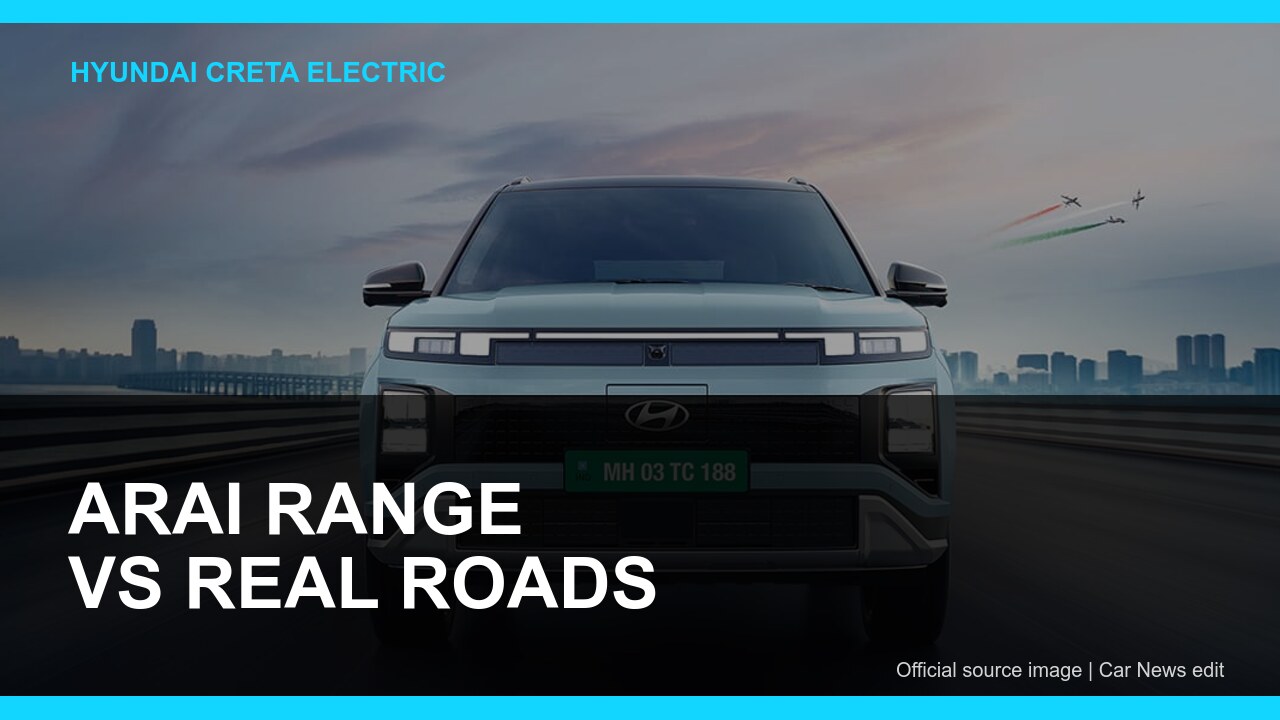
EV Range Comparison searches have become more serious because India now has several electric SUVs with big claimed numbers. Autocar India's latest midsize electric SUV range ranking puts the spotlight on ARAI-claimed figures, while buyer chatter increasingly asks what those numbers mean in summer, traffic and highway use.
The claimed range is a starting point, not a promise. A car driven at 60 kmph with one person, mild weather and gentle acceleration will behave differently from the same car on an expressway with four passengers, luggage and air-conditioning running continuously.
Why Electric SUVs Need a Different Comparison
Electric SUVs carry larger batteries and heavier bodies, so their range comparison needs context. A bigger pack can deliver confidence on paper, but it may also increase charging time, tyre cost and insurance. A smaller EV with a better charging routine can be easier to own for city-heavy buyers.
That is why Tata, Mahindra, Hyundai, MG, BYD and Maruti EVs should be compared by use case. City families need charging predictability. Highway users need sustained efficiency at speed. Apartment residents need reliable public charging access before they need a huge claimed number.
The useful shortcut
Compare your two shortlisted EVs on expected weekly charging stops, not only kilometres. The car that needs fewer inconvenient charging sessions may be the better buy even if its brochure range is lower.
Real-World Range Is a Behaviour Question
Driving style matters more in EVs than many first-time buyers expect. Fast acceleration, higher cruising speed, low tyre pressure, heavy cabin load and constant climate control all eat into range. So does repeated fast charging if the battery heats up and the car slows charging to protect itself.
A practical EV range comparison should include battery warranty, charging speed, usable boot space, service support and how honestly the dealer explains range loss. A confident ownership experience is built from those details.
How to Shortlist Without Getting Misled
Start with the official claimed range, then assume a realistic buffer for your driving pattern. If your regular highway trip is 260 km, do not buy an EV that only clears that distance in ideal conditions. Give yourself room for weather, detours and charger availability.
For most buyers, the best EV is not the range champion. It is the car that completes normal weekly use with predictable charging and does not force expensive public fast charging into every plan.
Conclusion
EV range comparison should be grounded in real use. Treat ARAI figures as a filter, then decide through charging access, highway needs, warranty confidence and how much range buffer your family actually needs.