KTM has entered the premium 160cc segment with a motorcycle that appears designed to challenge existing assumptions about performance, features and brand appeal. The new 160 Duke may be positioned as an entry point into the Duke family, but its broader significance extends well beyond KTM's showroom floors.
Introduction
The premium motorcycle market in India has evolved dramatically over the last decade. Buyers who once prioritized affordability above everything else now expect performance, technology, design and brand value in a single package. Few manufacturers have benefited from that transition as much as KTM. With the launch of the new 160 Duke, the company appears ready to push that strategy even further.
On paper, the motorcycle occupies a familiar position. It sits below larger Duke models while offering a more accessible entry point into KTM ownership. Yet the specifications, hardware and positioning suggest something more ambitious. KTM is not merely filling a gap in its lineup. It is attempting to redefine expectations within one of the most competitive motorcycle categories in the country.
What Happened
The new 160 Duke arrives with a 164.2cc liquid-cooled single-cylinder engine producing approximately 19hp and 15.5Nm of torque. Those figures place it among the strongest performers in its segment. KTM has also equipped the motorcycle with hardware usually associated with larger and more expensive machines.
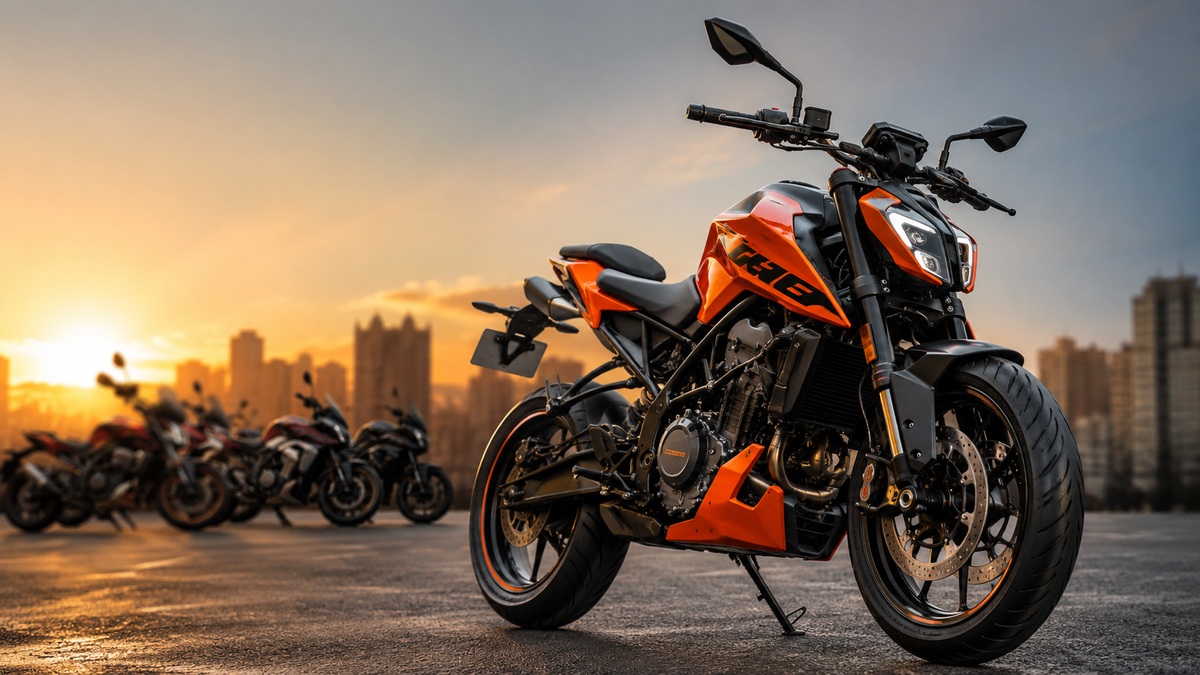
The motorcycle uses a trellis frame architecture, WP suspension components, large disc brakes and aggressive streetfighter styling closely linked to the Duke family. With a kerb weight of around 147kg, KTM is also emphasizing its power-to-weight ratio as a major selling point.
The positioning is particularly interesting because the motorcycle effectively replaces the role once occupied by smaller entry-level Duke variants. Instead of focusing purely on affordability, KTM appears to be prioritizing performance and brand identity.
Missing Details
While the launch information provides a strong overview, several important details remain unclear. Real-world fuel efficiency figures will be critical for buyers who use their motorcycles daily. Long-term reliability data is also unavailable because the model is new to the market.
Questions also remain regarding ownership costs, service expenses and long-term parts availability. Performance motorcycles often attract attention during launch periods, but ownership experiences ultimately determine market success.
Another missing element involves variant strategy. Some reports reference TFT-equipped versions while others focus on LCD-equipped models. Buyers will want clearer information regarding feature distribution and pricing differences.
Contradictions and Questions
One of the most noticeable inconsistencies involves pricing. Different reports and market references indicate varying ex-showroom figures depending on timing, variants and market updates. While the overall positioning remains clear, prospective buyers should verify the latest dealership pricing before making decisions.
There are also differences in how features are presented. Certain reports emphasize optional connectivity packages, while others focus on standard equipment. These differences are not unusual during launch periods, but they can create confusion among potential customers.
Another point worth noting is the relationship between the 160 Duke and larger Duke models. Some observers view the motorcycle as a value-focused alternative, while others argue that spending slightly more on a larger model may offer stronger overall value. The answer will depend on buyer priorities.
Buyer Advice
For younger enthusiasts, first-time premium motorcycle buyers and urban commuters seeking performance, the 160 Duke presents a compelling proposition. The motorcycle combines manageable dimensions with premium engineering and recognizable styling.
City riders are likely to appreciate the responsive engine characteristics and relatively light weight. The chassis configuration should also appeal to riders looking for agile handling and confidence in traffic conditions.
However, buyers should evaluate their long-term requirements carefully. Riders who frequently travel on highways may find value in moving up to a larger-displacement motorcycle if their budget allows. Similarly, buyers prioritizing fuel efficiency above outright performance should compare alternatives before making a final decision.
The biggest strength of the 160 Duke is that it offers access to a premium motorcycling experience without requiring buyers to move into substantially higher price brackets.
Market Impact
The broader market implications may be even more important than the motorcycle itself. The premium 150cc to 160cc segment has become one of the most strategically important categories in India. It attracts younger riders, first-time premium buyers and enthusiasts seeking an affordable performance machine.
By introducing a motorcycle with premium hardware and strong performance credentials, KTM raises expectations across the segment. Competitors can no longer rely solely on brand loyalty or incremental updates. They must respond with stronger products, additional features or more aggressive pricing.
This competitive pressure ultimately benefits consumers. When manufacturers compete aggressively, buyers receive more value, better technology and stronger product differentiation.
The launch also demonstrates how platform-sharing strategies can improve product economics. By leveraging existing engineering solutions and adapting proven components, manufacturers can create highly competitive motorcycles without dramatically increasing development costs.
Competitor Impact
The motorcycle most directly affected is the established segment leader that has enjoyed strong demand among younger riders. KTM's new offering targets many of the same customers while emphasizing performance, premium components and the Duke brand image.
Other manufacturers are unlikely to ignore this development. Brands competing in the premium commuter and entry-performance categories may need to revisit product planning, feature lists and pricing strategies.
The challenge extends beyond performance figures. KTM's strength lies in combining specifications with a strong emotional identity. Buyers are not simply purchasing transportation. They are buying into a lifestyle and performance-oriented image.
That combination can be difficult for competitors to replicate quickly.
Useful Context For Bike Buyers
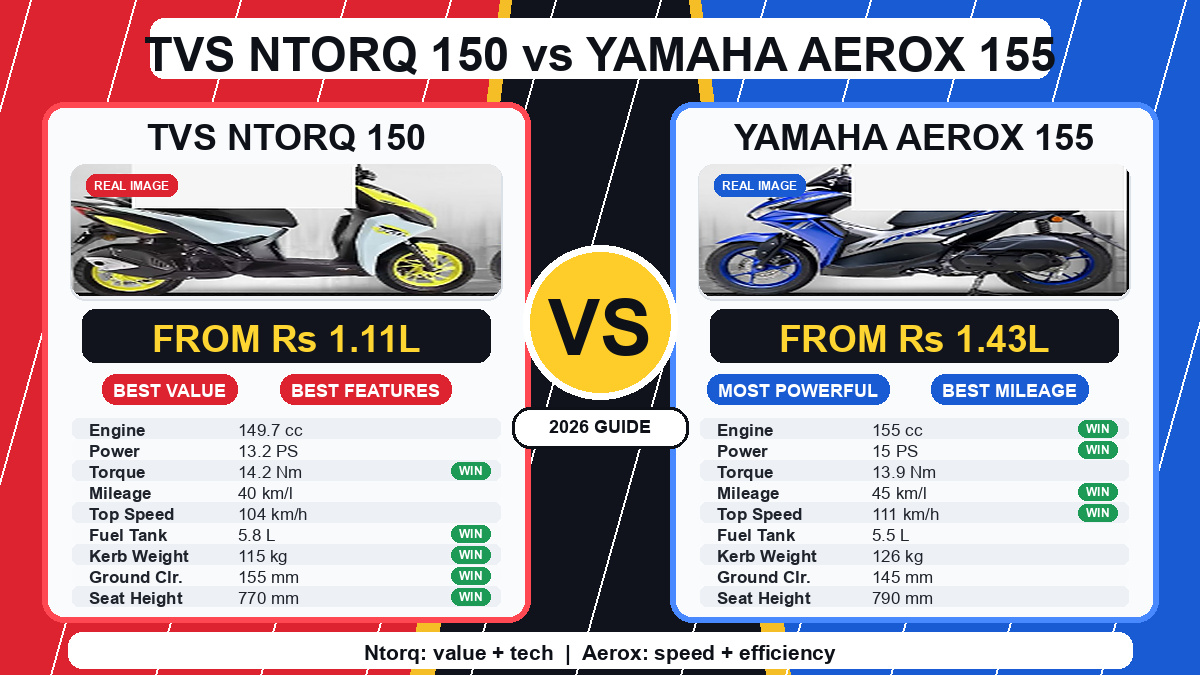
If you are watching the broader performance-bike market, also read our TVS Ntorq 150 vs Yamaha Aerox 155 comparison to see how sporty two-wheeler buyers are weighing value against performance.
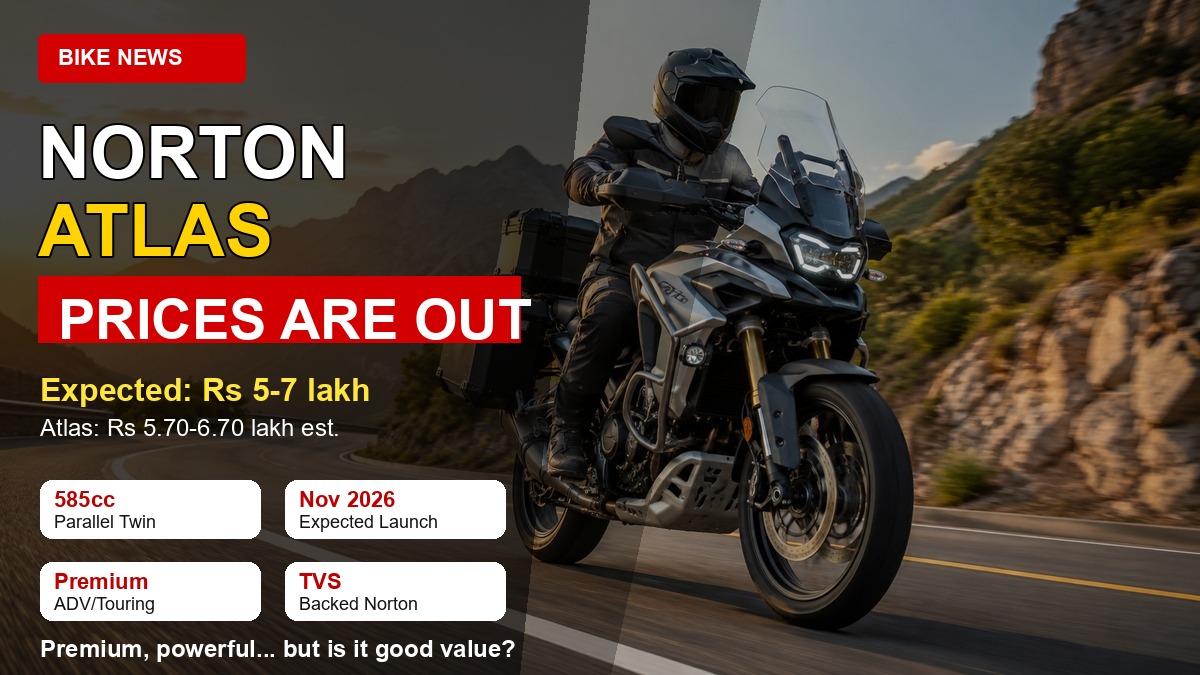
For another example of how premium motorcycle launches affect buyer expectations, our Norton Atlas price analysis explains how pricing can define a new model's market pressure.
You can also compare this KTM story with our Ultraviolette F77 milestone report, where performance branding and technology are changing what Indian riders expect from enthusiast motorcycles.
Future Outlook
The long-term success of the 160 Duke will depend on more than launch excitement. Customer feedback, reliability, dealership experience and resale value will play major roles in determining its market trajectory.
Nevertheless, the early indicators are positive. KTM has introduced a motorcycle that appears carefully engineered for current market conditions. It combines accessible performance with premium design cues and recognizable brand appeal.
If the motorcycle delivers on its promises in real-world conditions, it could become one of the most influential launches in the category over the next several years.
Conclusion
KTM's latest motorcycle matters because it represents more than a new model. It signals a strategic shift toward raising expectations within the premium 160cc segment. With strong performance claims, premium hardware and aggressive positioning, the 160 Duke has the potential to attract new customers while putting meaningful pressure on competitors.
For buyers, that is good news. More competition typically results in better motorcycles. For rivals, however, the arrival of the 160 Duke could mark the beginning of a far more demanding competitive environment.
FAQ
What engine does the KTM 160 Duke use?
A 164.2cc liquid-cooled single-cylinder engine producing around 19hp and 15.5Nm.
Who is the target buyer?
Young enthusiasts, first-time premium motorcycle buyers and riders seeking a sporty urban motorcycle.
Why is the launch important?
Because it raises performance and equipment expectations within a highly competitive segment.
Could competitors respond?
Yes. Rival manufacturers may need to adjust pricing, features or product strategies.