AI Is Now the Sales Pitch
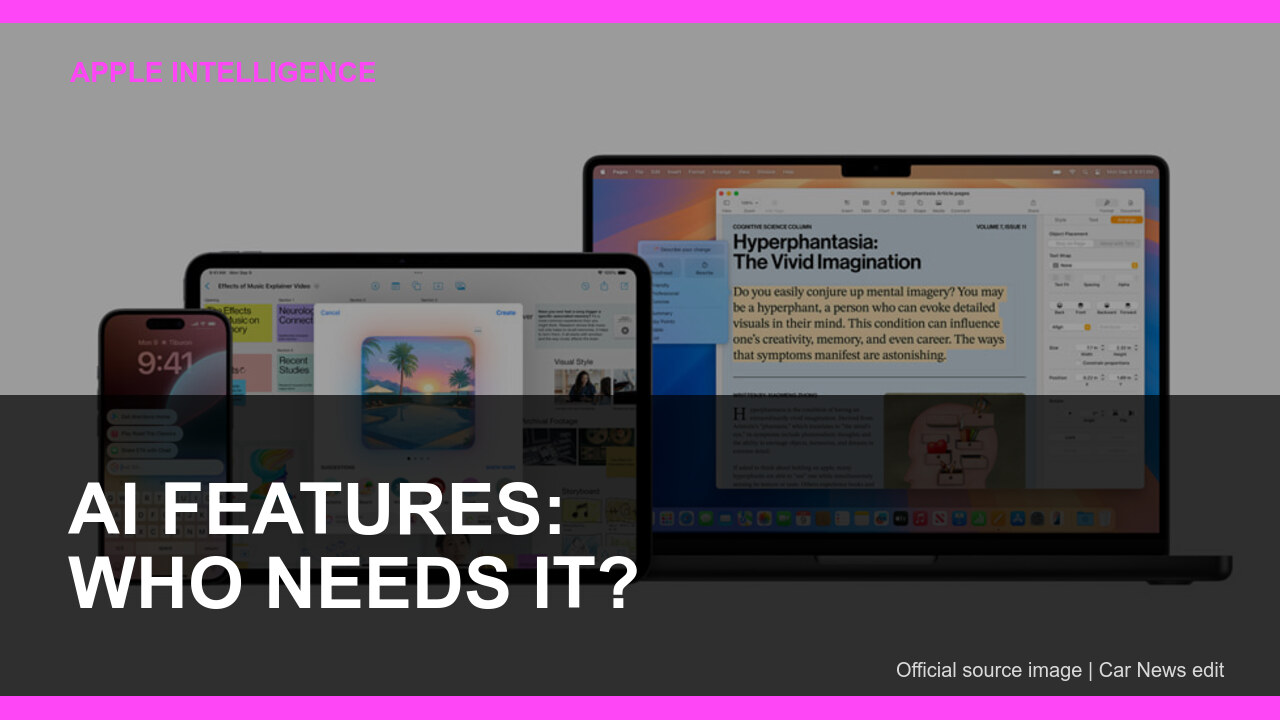
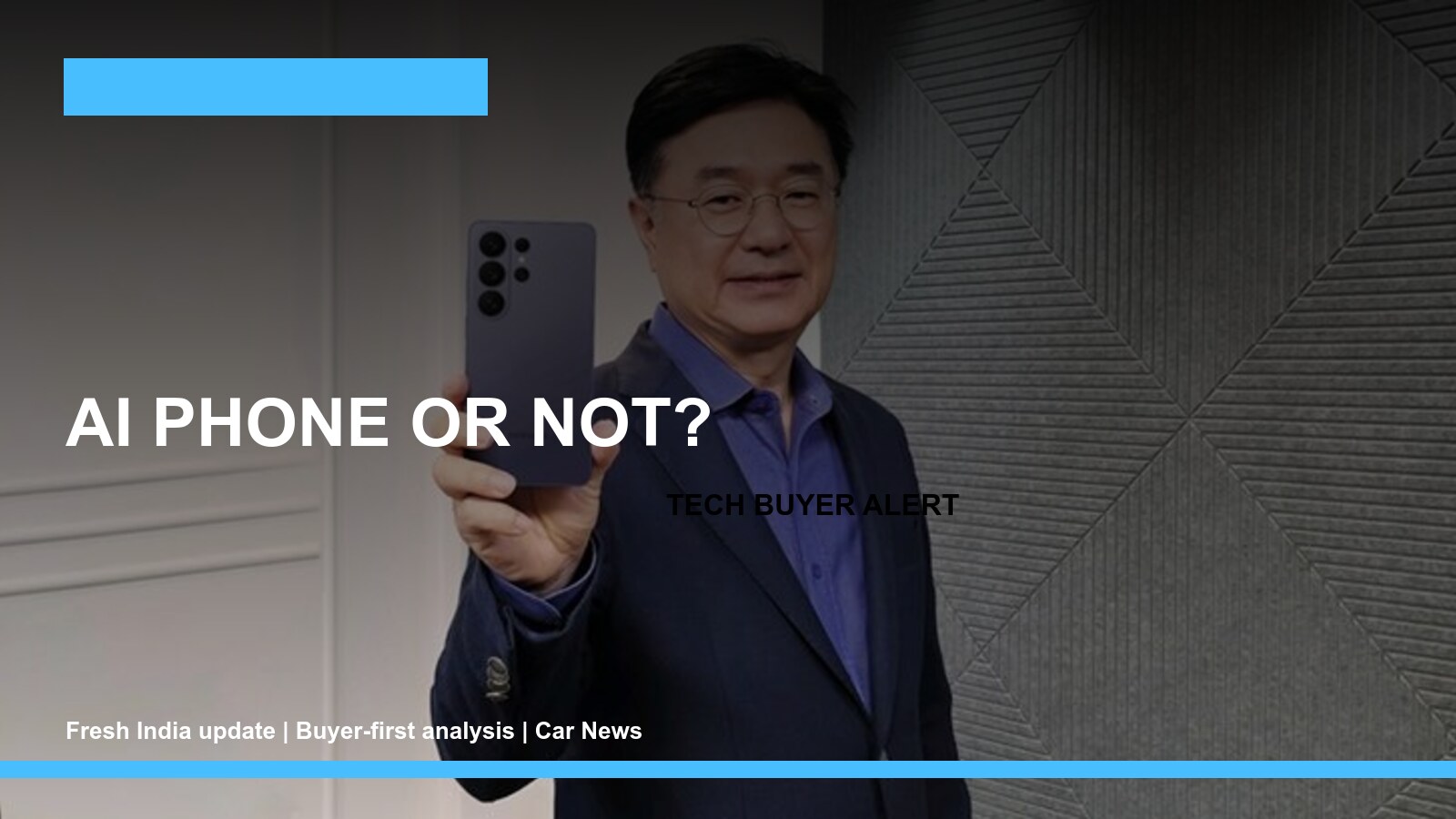
Mobile vs Ai is the upgrade question hiding behind almost every 2026 flagship launch. Samsung's India newsroom has been pushing Galaxy AI updates around the Galaxy S26 cycle, including real-time editing and agentic AI positioning, while other Android brands are racing to make AI sound like a reason to replace a perfectly good phone.
The useful shift is that more features are moving on-device. That can improve speed and privacy, but it also makes chipset, RAM, storage and long-term software support more important than they were during the old camera-megapixel wars.
Useful AI Is Boring in Daily Life
The best AI phone features are not always the flashiest. Cleaner call transcripts, smarter search across photos, better keyboard rewriting, language help, object removal and faster voice assistance can save time every day. Those features matter more than a staged demo that you use once.
Indian buyers should also check language support, offline availability and whether a feature needs a paid cloud service later. A phone that advertises AI but depends on patchy connectivity or limited language support may not feel smarter in your actual routine.
Privacy and repairs matter
If personal photos, voice notes and documents are being processed, check whether the feature runs on-device or in the cloud. Also check repair cost and software-update years, because AI features age quickly when updates stop.
A Regular Phone Can Still Be the Better Buy
For many users, battery life, camera reliability, display quality and network stability will matter more than AI tools. A discounted previous-generation flagship or a strong mid-range phone can be a better purchase if it handles normal apps smoothly and has dependable service support.
AI is worth paying extra for only when it improves the tasks you already do: writing, translating, meetings, content creation, travel planning or photo cleanup. If your use is calls, payments, video, social apps and navigation, do not stretch the budget just for a badge.
What to Watch Before Upgrading
The 2026 market will likely push AI deeper into mid-range phones. That means waiting can be smart if your current device is still fast and secure. The features that feel premium today may become standard within one or two launch cycles.
A sensible upgrade checklist is simple: minimum four years of useful updates, strong NPU or flagship-class chipset for on-device features, enough RAM, a battery that survives a full day and service support in your city.
Conclusion
Buy an AI phone when the tools match your daily work and the brand commits to updates. Otherwise, a balanced regular smartphone can still be the sharper 2026 purchase.