On May 5, 2026, Samsung India announced the opening of applications for its Mobile Advance 2026 tech programme, offering selected startups a $50,000 grant and access to the company's innovation ecosystem. While the initiative is ostensibly focused on mobile and consumer tech, its implications for India's automotive and mobility sectors are significant—especially as vehicles become increasingly software-defined and connected.
Programme Details and Scale
The Mobile Advance programme, now in its third edition, targets early-stage startups working on AI, IoT, 5G, and digital health solutions. Selected participants receive not only the $50,000 equity-free grant but also mentorship from Samsung's R&D teams, potential pilot opportunities, and integration with Samsung's global supply chain. Applications are open until June 30, 2026, with final selections expected in August.
This year's focus areas include 'intelligent mobility' and 'smart infrastructure'—a clear signal that Samsung sees automotive tech as a growth vertical. Previous cohorts have included startups working on telematics, EV battery management, and in-vehicle infotainment systems.
Why This Matters for Car Buyers and the Auto Industry
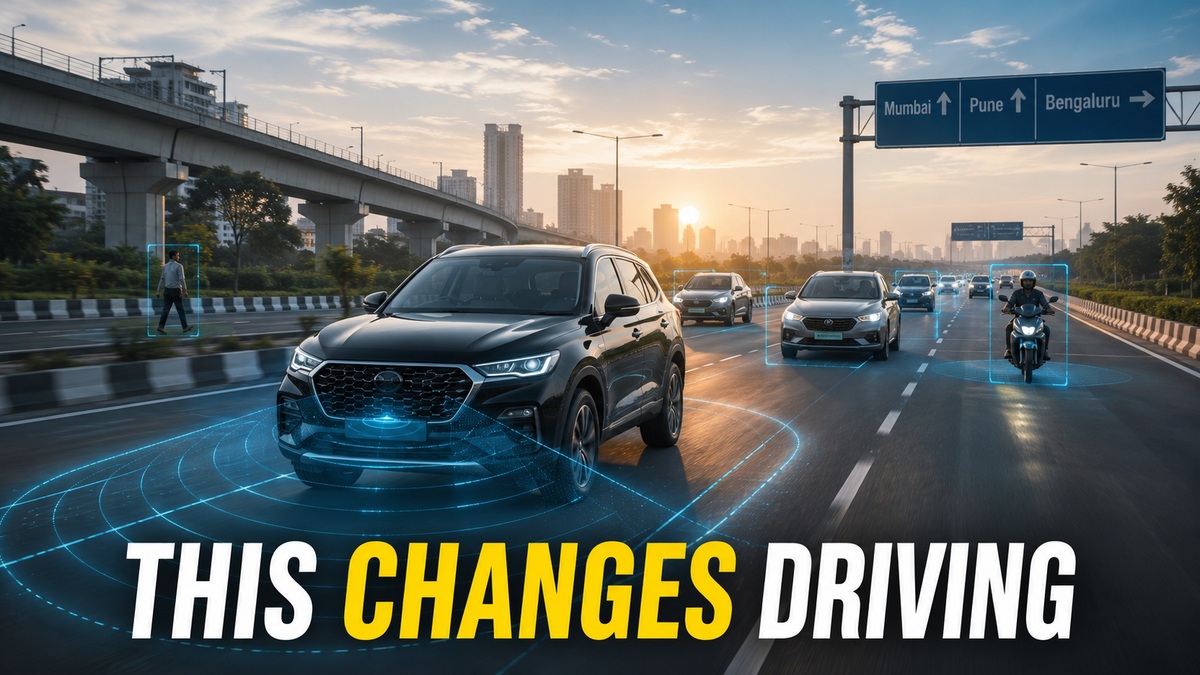
India's passenger vehicle market is undergoing a digital transformation. By 2026, over 60% of new cars sold in India are expected to have embedded connectivity, according to industry estimates. Samsung's programme could accelerate the development of homegrown solutions for connected car platforms, over-the-air updates, and AI-powered driver assistance—areas where global tech giants currently dominate.
For car buyers, this means more Indian-made tech in future vehicles, potentially lowering costs and improving localization. For automakers, it opens a pipeline of vetted startups that can be acquired or partnered with, reducing R&D timelines.
Leadership Changes Signal Strategic Shift
The announcement comes amid a leadership reshuffle at Samsung India. On May 1, 2026, Raju Antony Pullan stepped down as Samsung India's Mobile Chief, with Aditya Babbar reportedly taking over MX operations. This change is expected to bring a sharper focus on enterprise and B2B mobility solutions—areas that directly intersect with automotive tech.
Babbar's prior experience includes leading Samsung's enterprise business, where he oversaw partnerships with automakers for connected car solutions. His appointment signals that Samsung may deepen its push into the automotive supply chain, competing with the likes of Qualcomm and MediaTek.
Galaxy S26 Series Sets the AI Benchmark
In February 2026, Samsung launched the Galaxy S26 series, touting it as 'the most intuitive Galaxy AI phone yet'. While primarily a consumer device, the S26's on-device AI capabilities—such as real-time language translation, scene optimization, and predictive text—are directly transferable to in-car voice assistants and driver monitoring systems.
Automakers are increasingly looking to leverage smartphone-grade AI for cabin experiences. Samsung's ability to offer a unified hardware-software stack, from chipsets to cloud services, makes it a formidable partner for car companies seeking to reduce supplier complexity.
Discount on Galaxy A57: A Consumer Angle
On May 4, 2026, Samsung introduced a discount offer on the Galaxy A57 in India, making the mid-range device more accessible. While not directly automotive, the A57's 5G and Wi-Fi 6E capabilities are relevant for car-to-everything (C2X) communication prototypes. Affordable smartphones also serve as testbeds for new connectivity features that later trickle up to premium automotive hardware.
Market Context and Competitive Landscape
Samsung's startup push comes at a time when India's automotive tech ecosystem is heating up. Reliance Jio has launched its own connected car platform, while Tata Motors is investing in in-house software. Global players like Google and Amazon are also vying for dashboard dominance through Android Automotive and Alexa Auto.
By nurturing startups through Mobile Advance, Samsung is essentially building a talent and technology funnel. The $50,000 grant is modest compared to VC funding, but the real value lies in Samsung's distribution and brand credibility. For a startup, being 'Samsung-backed' can unlock doors to automaker pilot programs.
What This Means for Consumers and Businesses
For car buyers, the most immediate impact may be more feature-rich infotainment systems at lower price points. Samsung's programme could lead to Indian startups developing localized voice recognition (supporting Hindi, Tamil, and other regional languages) and navigation optimized for Indian road conditions.
For businesses, especially Tier 1 suppliers and OEMs, the programme offers a low-risk way to scout innovation. Automakers should monitor the list of selected startups closely—some may become acquisition targets or strategic partners.
Future Outlook
If Samsung's Mobile Advance 2026 yields successful automotive-focused startups, we could see the company establish a dedicated 'Samsung Automotive Innovation Lab' in India within the next two years. The convergence of 5G, AI, and EV infrastructure makes India a natural testbed for next-generation mobility solutions.
For now, the programme is a signal: Samsung wants a seat at the table as cars become 'smartphones on wheels'. Whether it succeeds will depend on how well it can bridge the gap between mobile tech and automotive-grade reliability.
Conclusion
Samsung's Mobile Advance 2026 programme is more than a corporate social responsibility initiative—it's a strategic bet on India's startup ecosystem to fuel its own growth in mobility tech. With a new leadership team, a flagship AI phone, and a growing portfolio of connected solutions, Samsung is positioning itself as a key enabler of India's software-defined vehicle future. For car buyers and industry watchers alike, the startups that emerge from this programme are worth watching.
Frequently Asked Questions
What is Samsung Mobile Advance 2026?
It's a startup accelerator programme by Samsung India that provides selected startups with a $50,000 grant, mentorship, and access to Samsung's technology ecosystem. Applications are open until June 30, 2026.
How does this relate to cars and mobility?
The programme includes focus areas like intelligent mobility and smart infrastructure. Past cohorts have produced startups working on telematics, EV battery management, and in-vehicle infotainment—all directly relevant to the automotive industry.
Who can apply for the programme?
Early-stage startups based in India, working on AI, IoT, 5G, digital health, or mobility solutions, are eligible. More details are available on Samsung's official website.
What is the Galaxy S26's role in automotive tech?
The Galaxy S26 series features advanced on-device AI that can be adapted for in-car voice assistants, driver monitoring, and real-time translation. Its chipset and connectivity capabilities also make it a reference platform for connected car development.
For more on the latest car launches and technology, visit our latest launch coverage and car buying guide.
Sources checked
- Samsung expands startup push with 2026 Mobile Advance tech programme - Business Standard
- Samsung India Mobile Chief Raju Antony Pullan Steps Down - Gadgets 360
- Samsung introduces a new discount offer on Galaxy A57 in India - SamMobile
- Samsung Unveils Galaxy S26 Series - Samsung
- Samsung invites applications for 2026 startup programme with $50,000 grant - The Times of India
Sources & References
- Samsung expands startup push with 2026 Mobile Advance tech programme - Business Standard
- Samsung India Mobile Chief Raju Antony Pullan Steps Down - Gadgets 360
- Samsung introduces a new discount offer on Galaxy A57 in India - SamMobile
- Samsung Unveils Galaxy S26 Series - Samsung
- Samsung invites applications for 2026 startup programme with $50,000 grant - The Times of India
- Official image source