The Cheapest Charger Is Usually at Home
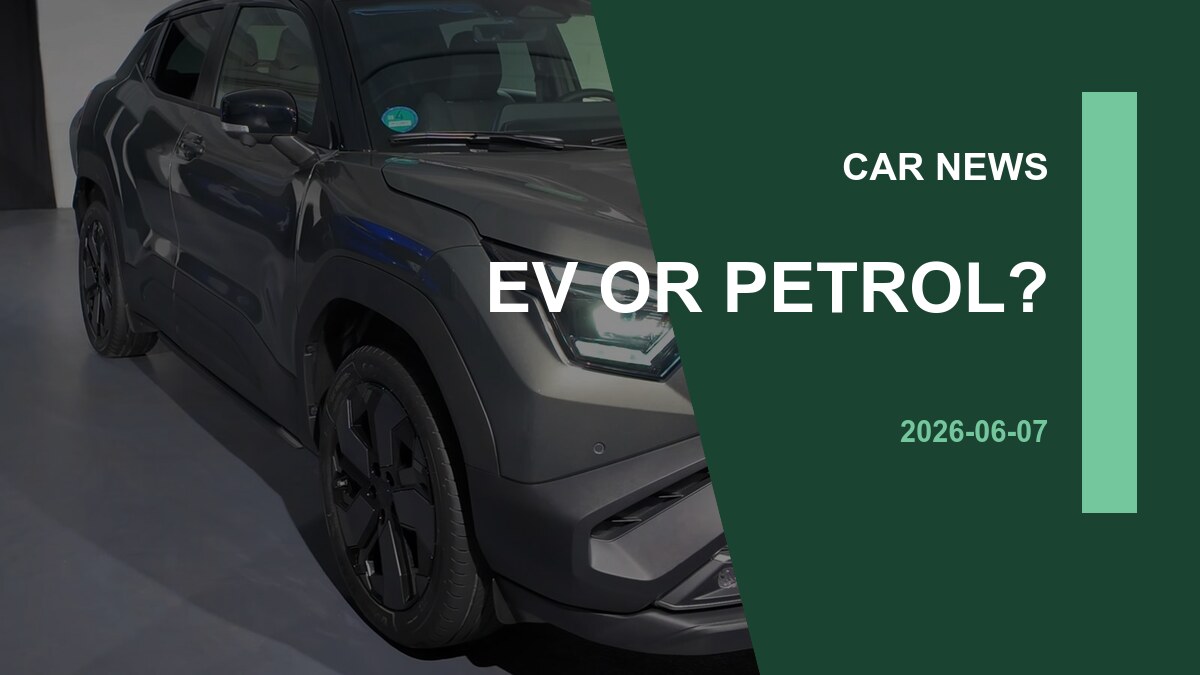
EV Charging Cost India has become a practical buying question because the same car can feel cheap or expensive depending on the charger you use most. Home charging remains the strongest reason to buy an EV: it is predictable, available overnight and usually cheaper per kilometre than relying on public DC charging.
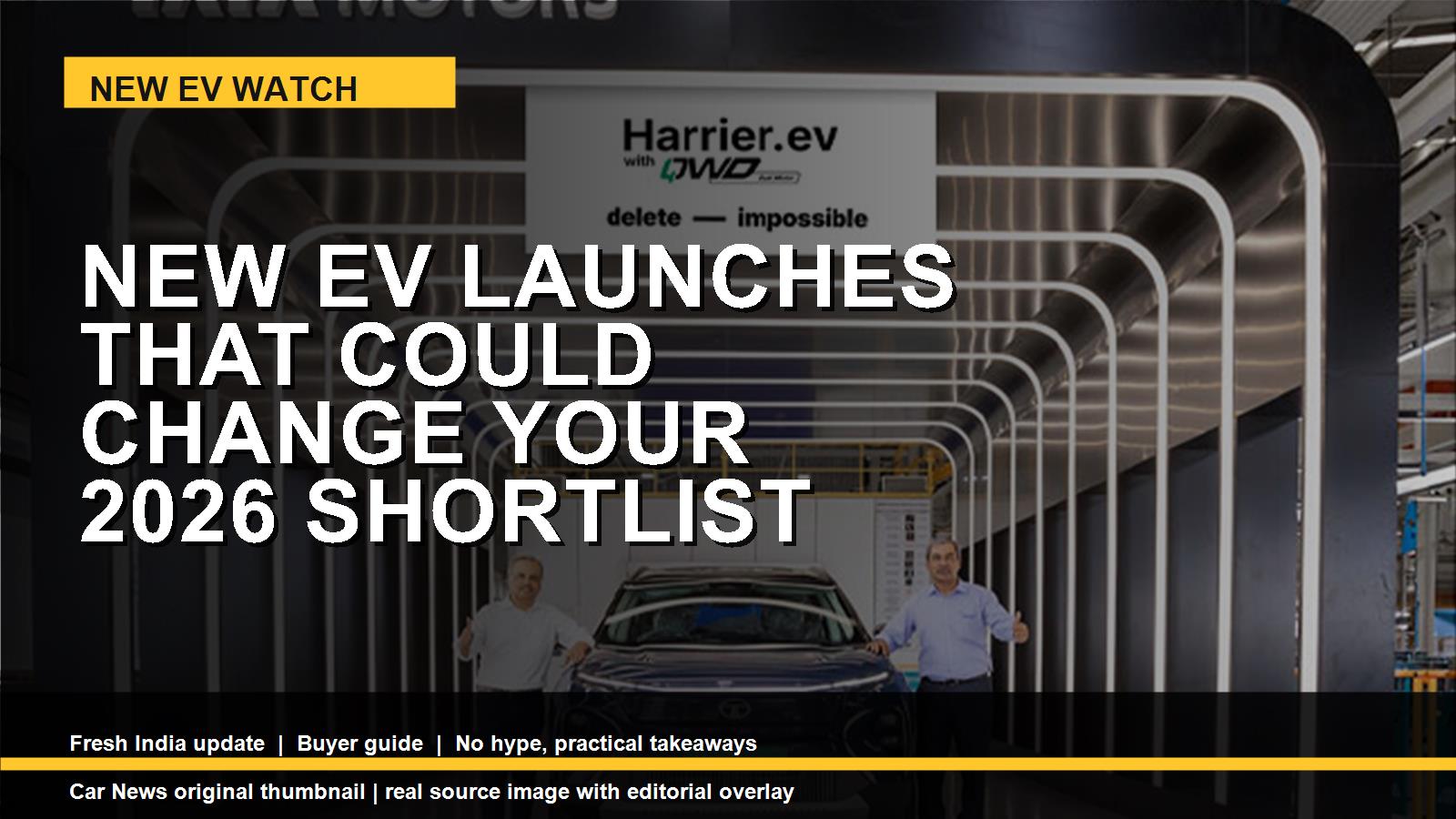
The latest Tata Power EZ Charge update shows why infrastructure confidence is improving. Tata Power says its network includes more than 2 lakh home chargers, over 6,700 public, semi-public and fleet charging points, and 1,200-plus e-bus charging points across more than 690 cities and towns. That scale helps, but it does not make every plug equally priced.
Buyer takeaway
Before booking, ask your dealer for the home charger rating, installation cost, earthing requirement and whether your housing society allows a dedicated EV meter. That one conversation can change the ownership math more than a brochure range figure.
Highway Fast Charging Changes the Budget
Tata Power and Indian Oil adding ultra-fast chargers on the Delhi-Mumbai Expressway is the kind of move Indian EV buyers have been waiting for. The headline is convenience, but the money angle is different: fast chargers are best treated as travel support, not the cheapest daily fuel source.
A family using public DC charging every weekend will spend differently from an office commuter plugging in at home twice a week. That is why EV buyers should estimate monthly kilometres in three buckets: home charging, workplace or slow public charging, and highway fast charging.
The Price-per-kWh Number Is Not the Whole Story
A low tariff is useful only if the charger is available, reliable and close enough to avoid wasted time. App fees, parking fees, charger speed, battery preconditioning, waiting queues and charger downtime can all make the real cost higher than the tariff line suggests.
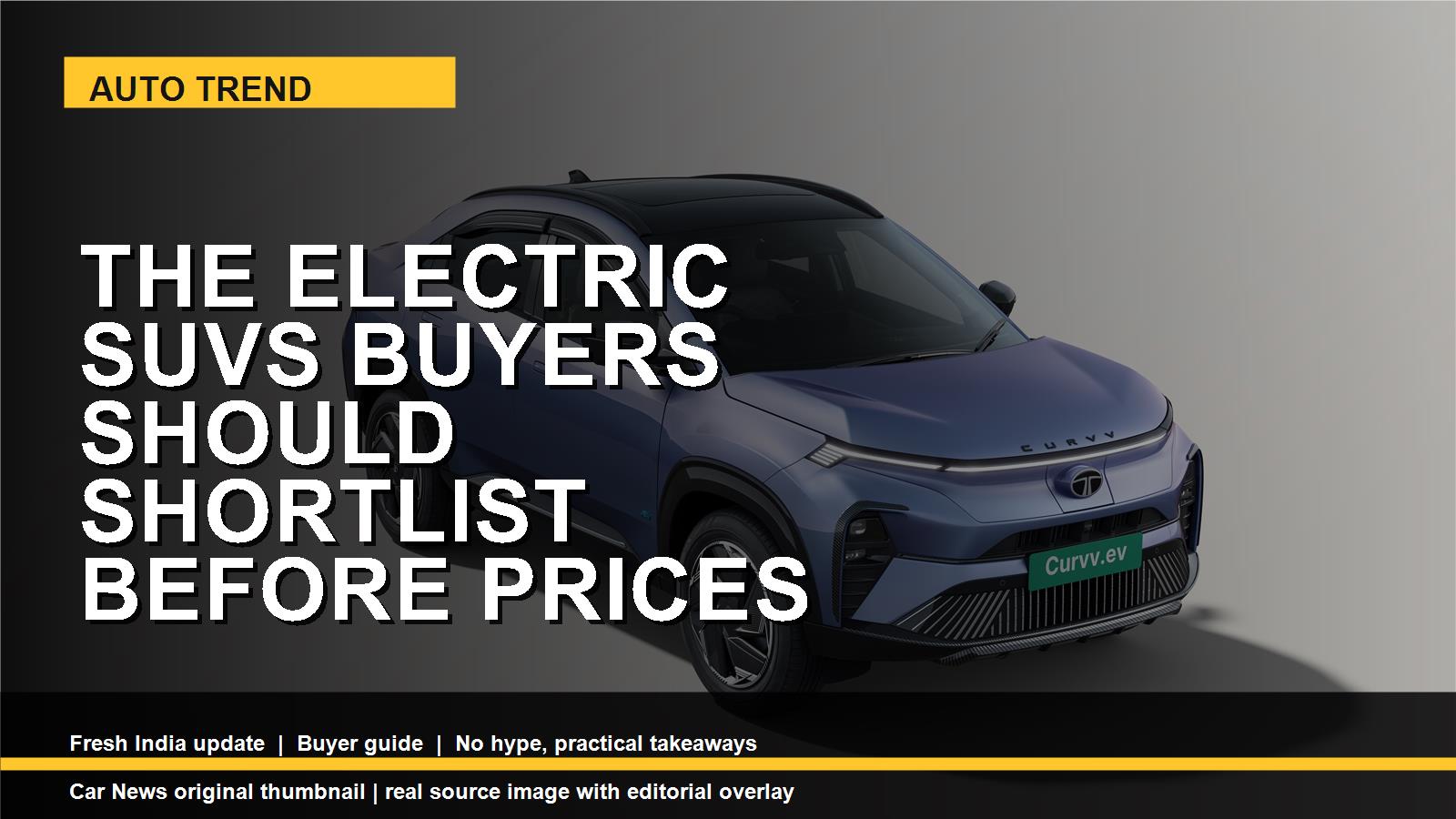
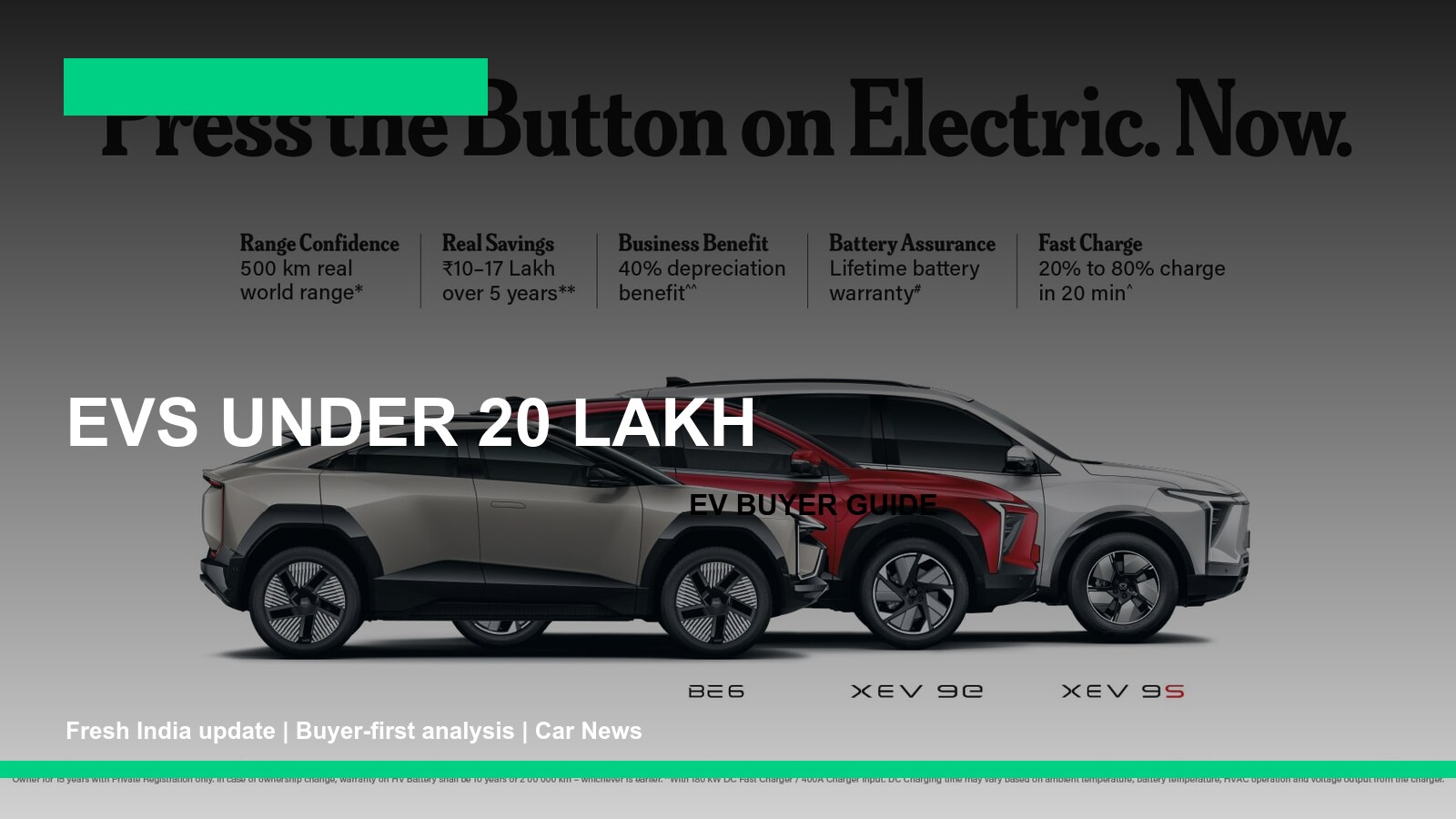
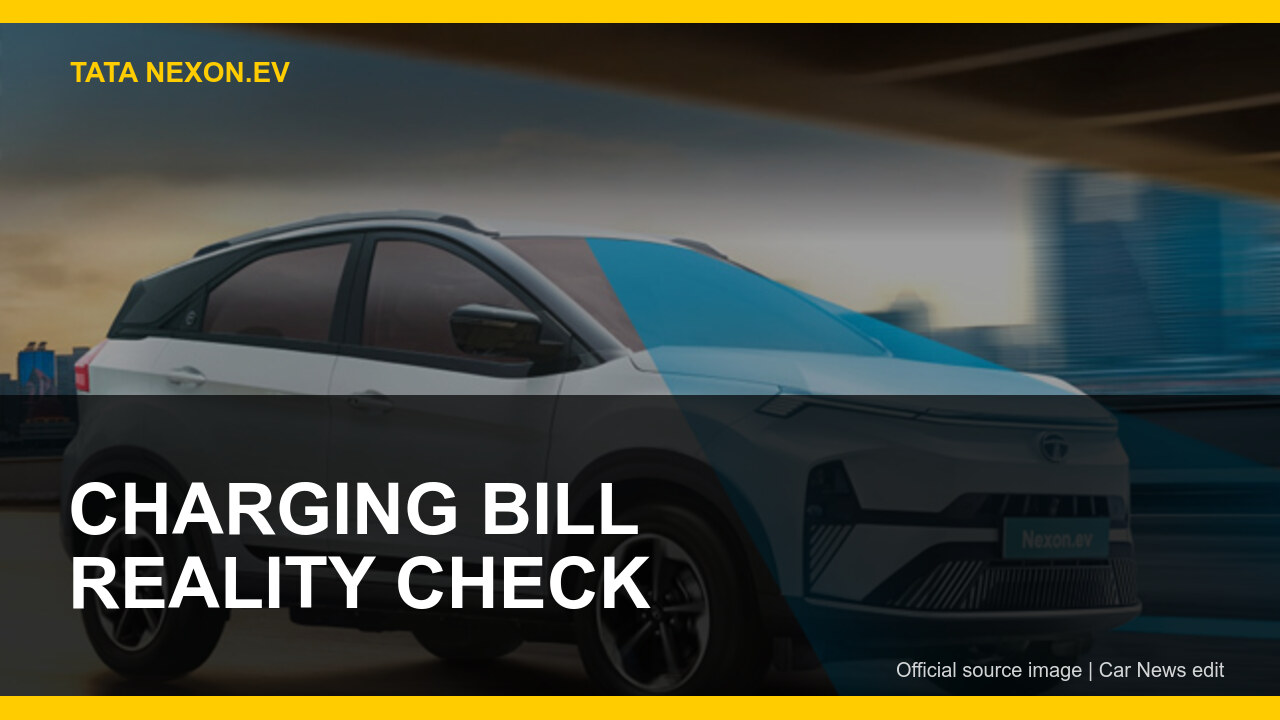
For electric SUVs, the hidden issue is battery size. A larger battery gives more range, but it also means a bigger bill when you use a paid fast charger. Buyers comparing Tata, Mahindra, MG, Hyundai, Kia or Maruti EVs should compare cost per 100 km, not only the cost of a full charge.
A Practical Charging Cost Checklist
If you can charge at home for most of your driving, an EV still makes strong financial sense. If you live in an apartment without reliable charging or plan frequent highway trips, calculate the public charging share honestly before booking.
The smart purchase is not the EV with the loudest range claim. It is the one whose charging routine fits your house, commute, city network and weekend travel pattern without turning every trip into a planning exercise.
Conclusion
EV charging cost in India is best judged by your charging mix. Home charging keeps the economics strong, while public fast charging should be budgeted as convenience for travel rather than the cheapest everyday fuel.