Under Rs 20 Lakh No Longer Means Entry-Level Only
Best EV Under 20 Lakhs used to mean choosing between a city hatchback and a compromised range figure. In 2026, the list is wider and more complicated: compact SUVs, crossovers, battery rental options and aggressive entry trims all crowd the same mental budget.
Maruti Suzuki's e Vitara launch added a new type of pressure because its Battery-as-a-Service offer lowers the upfront entry price while shifting part of the cost into running use. That makes headline price comparisons less useful unless buyers calculate the battery rental or per-kilometre plan honestly.
The Shortlist Should Start With Charging, Not Screens
A Rs 19 lakh EV with poor home-charging fit can be harder to live with than a Rs 14 lakh EV that plugs in reliably every night. Before falling for panoramic displays, ADAS badges or claimed range, buyers should answer one question: where will the car charge 80 percent of the time?
If the answer is home, the field opens up. If the answer is public charging, then battery size, DC charging curve, app reliability and charger density near your routes become more important than the launch price.
Practical shortlist logic
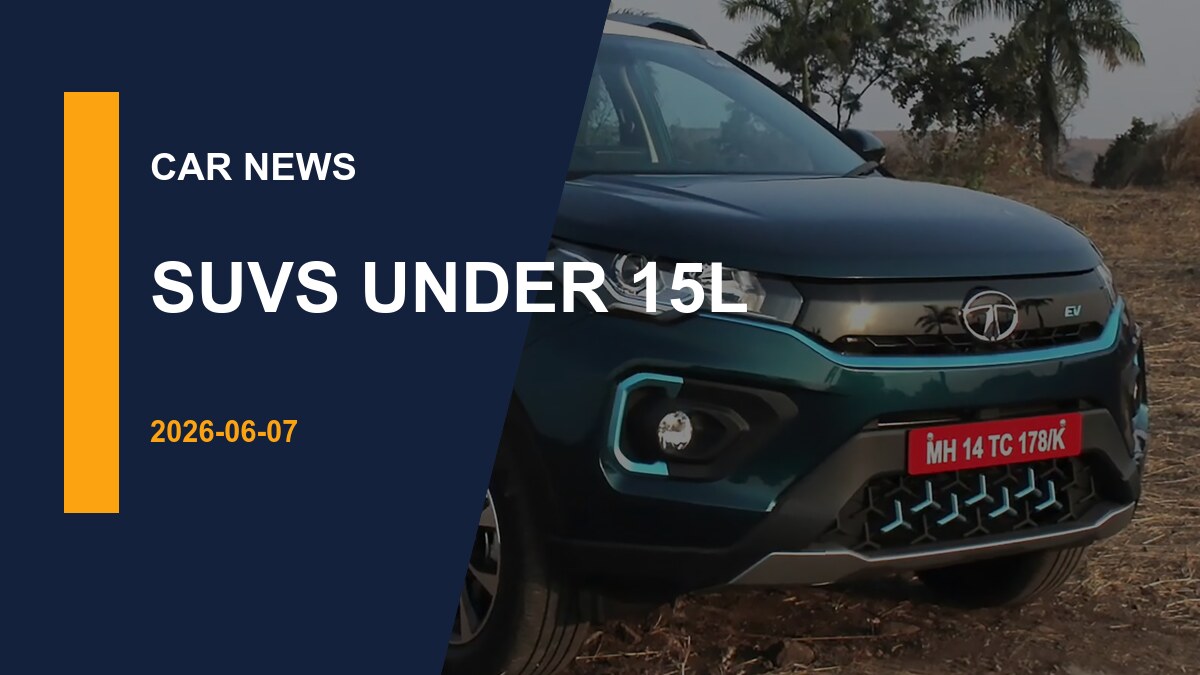
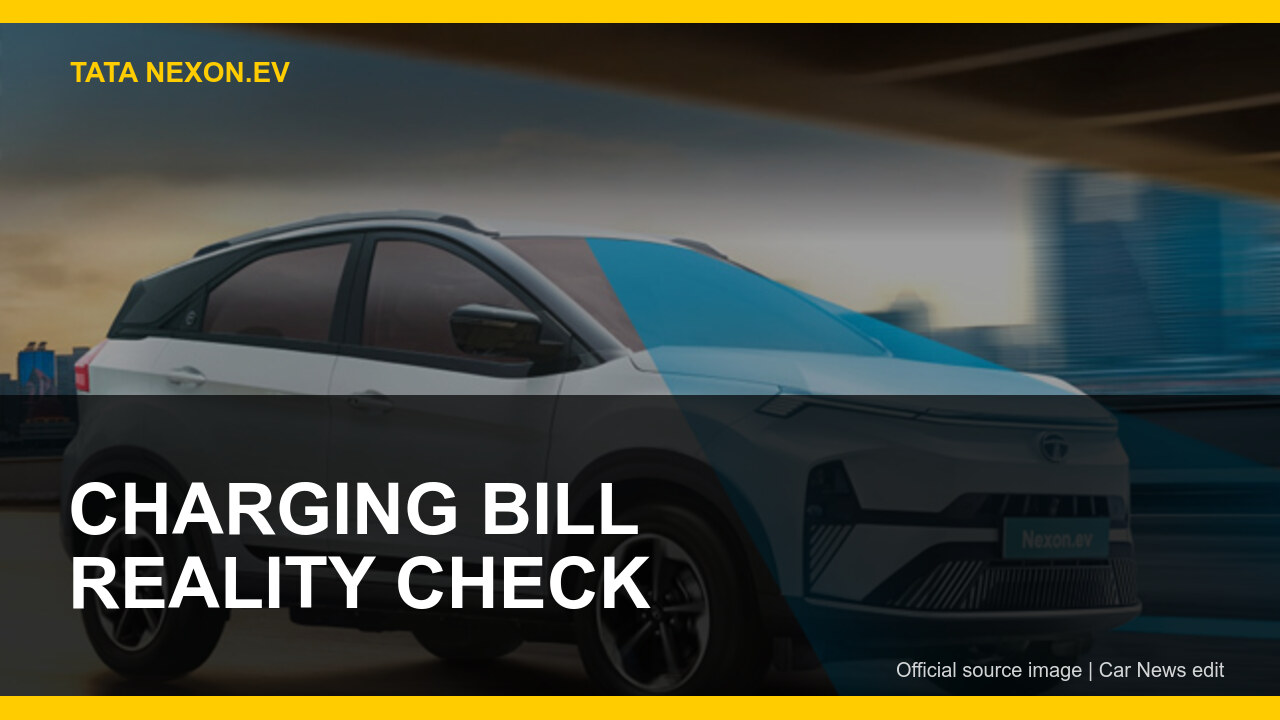
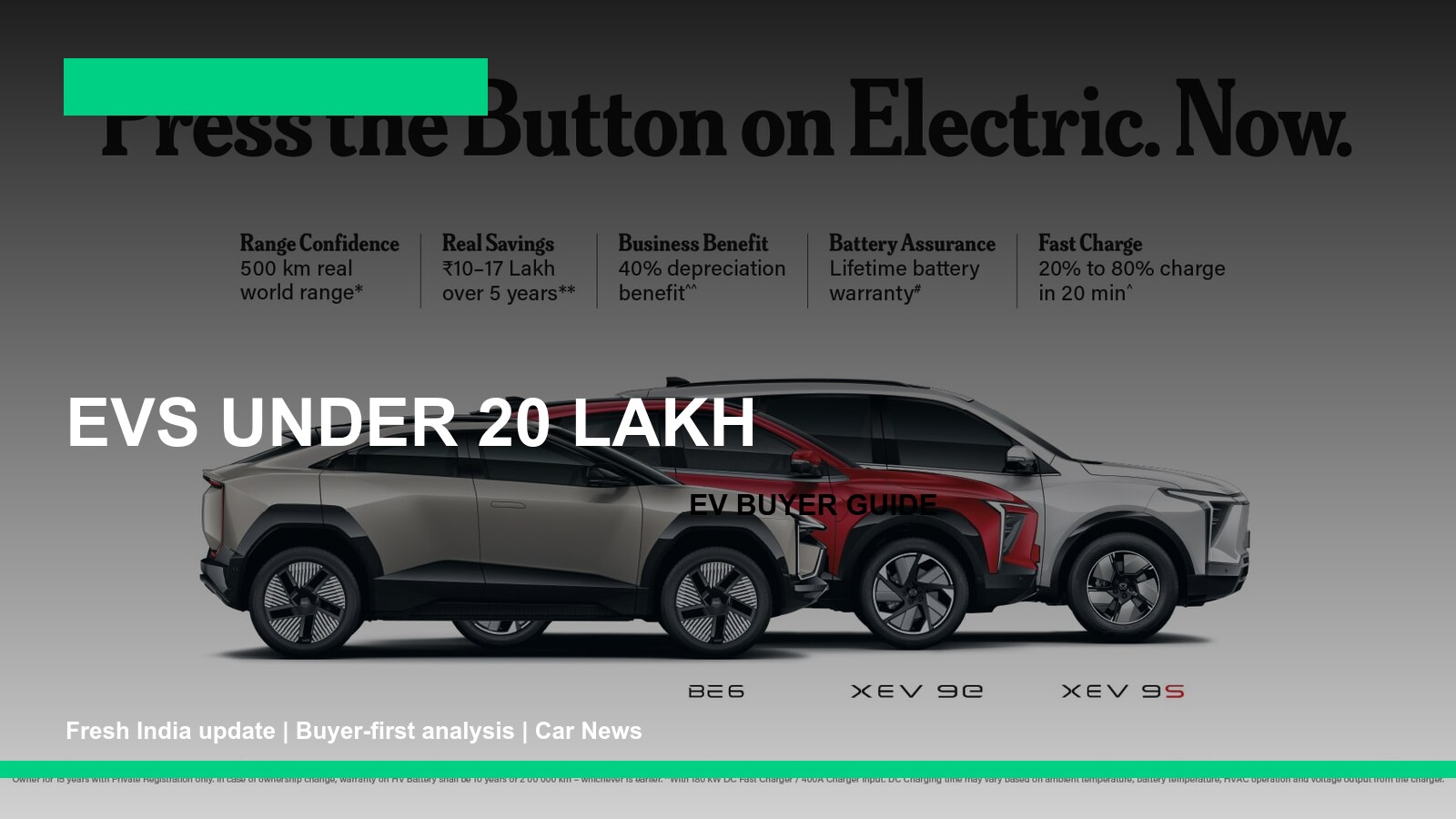
City-first buyers should compare Punch.ev, Nexon.ev and MG Windsor EV variants. Family-SUV buyers stretching toward Rs 20 lakh should check Creta Electric entry variants, e Vitara plans and whether a Mahindra BE 6 Pack One really fits the final on-road budget.
BaaS Makes the EMI Look Better, But Read the Use Case
Battery-as-a-Service can reduce the initial invoice and bring an EV into a buyer's budget. It can also make the real cost less obvious if monthly running is high. Maruti's e Vitara offer shows why EV buying now needs the same discipline as comparing loan tenure, fuel cost and service packages.
A low upfront price is useful for cash flow, but it is not automatically cheaper over five years. High-mileage users should calculate total battery rental or per-km cost against a full-purchase EV, while low-mileage users should check whether they are paying for flexibility they do not need.
What Could Shift the Market Next
The under-Rs 20 lakh EV fight is now less about whether EVs are viable and more about which brand can make ownership feel normal. Maruti brings network trust, Tata brings EV familiarity, MG brings value packaging, Hyundai brings mainstream SUV comfort and Mahindra brings performance-led aspiration.
That competition should help buyers, but only if they avoid overbuying. The smart move is to shortlist by real range requirement, charger access, rear-seat needs, service reach and resale confidence before chasing the newest launch.
Conclusion
The best EV under Rs 20 lakh is not a single winner. It is the variant whose charging plan, real-world range and ownership cost still make sense after the showroom discount or BaaS headline is removed.