Volkswagen is preparing a broad-based expansion strategy for India that extends far beyond a single vehicle launch. With quarterly product interventions, a stronger premium positioning strategy, future electrification plans, export growth ambitions and a willingness to explore new segments, the company appears determined to strengthen its relevance in one of the world's most important automotive markets.
Introduction
For much of the past decade, Volkswagen's position in India has been defined by selective success rather than outright dominance. The company built a loyal enthusiast following, earned a reputation for solid engineering, and introduced several well-regarded products. Yet it often struggled to match the scale and reach achieved by the market's largest players.
That appears to be changing. Recent announcements and executive commentary reveal a company that is once again investing significant attention, resources and planning into India. The latest roadmap includes multiple product interventions across body styles, a stronger focus on premium positioning, export expansion, future technology adoption and continued development of its India-focused portfolio.
Viewed together, these actions suggest something larger than a routine product cycle. They point to a renewed long-term commitment to India.
What Happened
The most visible part of the strategy is an unusually active product calendar. Volkswagen has committed to introducing new product actions throughout the year, ensuring customers see fresh developments on a regular basis rather than waiting years between major announcements.
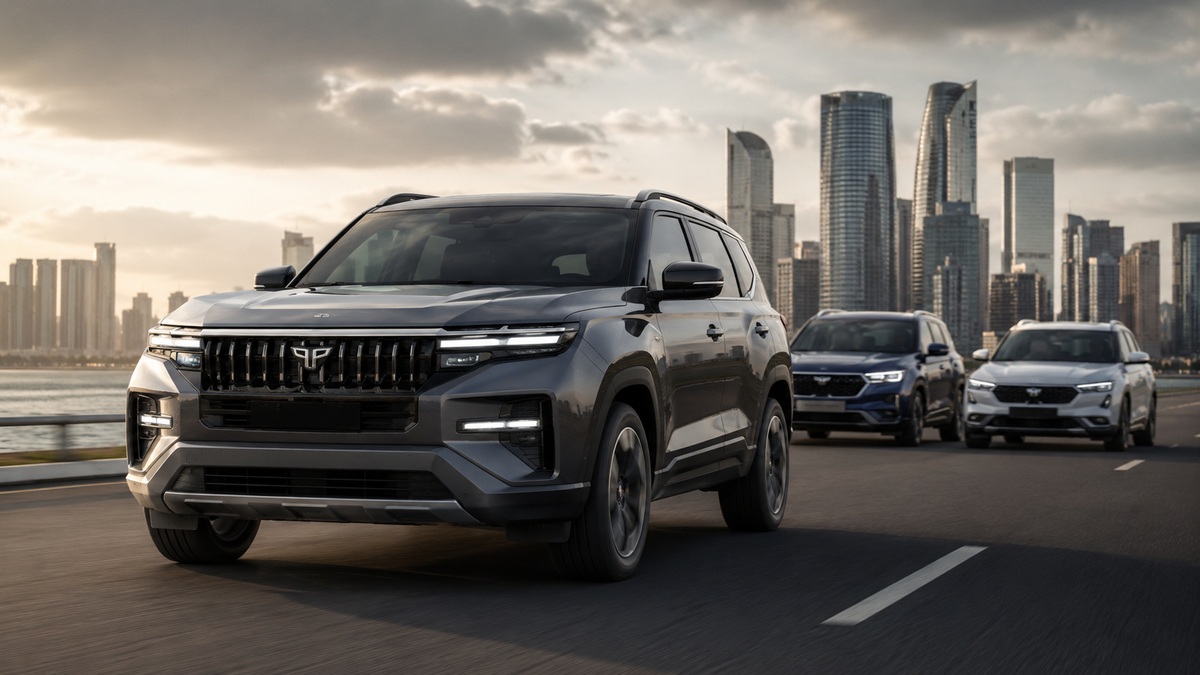
The flagship Tayron R-Line represents one of the most significant pieces of that plan. Positioned as a premium offering, it strengthens Volkswagen's aspirational image while providing a halo effect for the broader lineup.
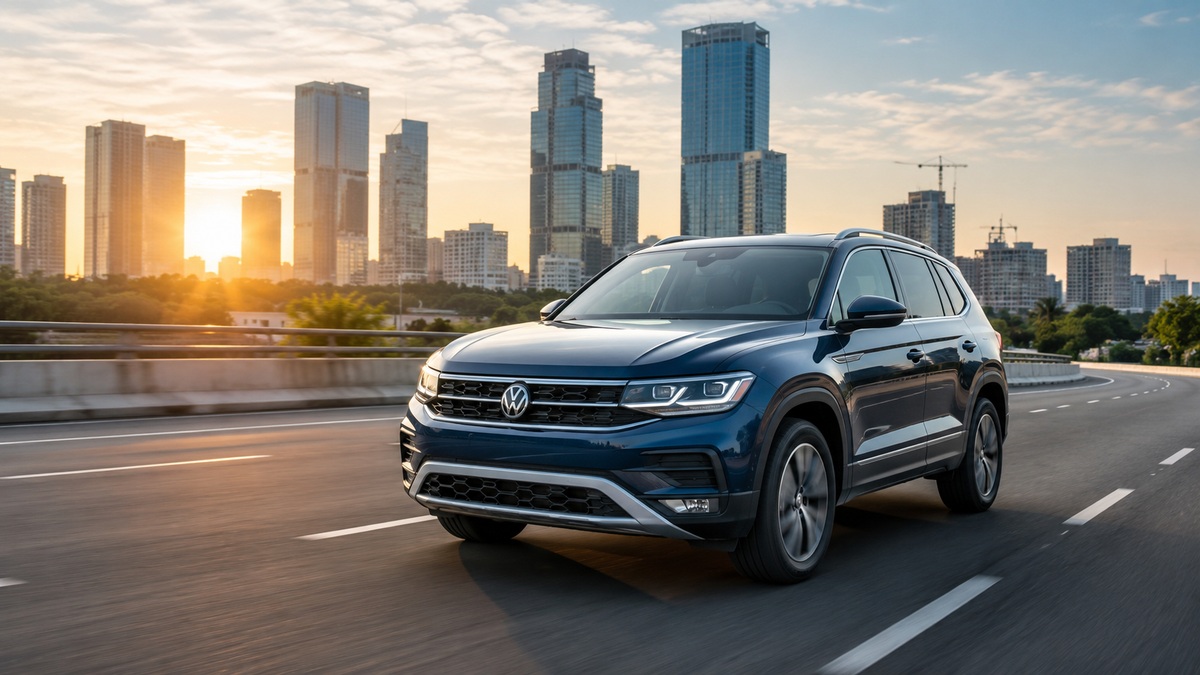
Alongside flagship products, Volkswagen continues to rely heavily on its locally developed India-focused vehicles. The Taigun remains particularly important, serving as one of the brand's primary volume drivers. Company leadership has indicated expectations for stronger sales performance following recent updates, highlighting the vehicle's strategic role.
At the same time, the company is evaluating future opportunities in additional segments, including hatchbacks and potentially other high-volume categories.
The Strategy Behind the Push
Three themes emerge clearly from Volkswagen's current direction.
Premium Positioning
Unlike several rivals pursuing aggressive volume growth through every available segment, Volkswagen continues to emphasize premium appeal. Performance-oriented variants have reportedly become an increasingly important part of sales, suggesting buyers are responding positively to products positioned above the mainstream.
This strategy allows the company to differentiate itself rather than competing solely on discounts or fleet volume.
Consistent Product Activity
One challenge many global brands face in India is maintaining momentum between launches. Volkswagen's commitment to regular product interventions addresses that issue directly.
Frequent activity keeps the brand visible, helps dealerships maintain customer interest and gives potential buyers more reasons to revisit showrooms.
Long-Term Market Building
The broader strategy goes beyond product launches. Export growth, customer experience initiatives, network development and future technology planning all indicate a company attempting to strengthen its foundation for sustained growth rather than chasing short-term headlines.
Missing Details and Open Questions
Despite the ambitious roadmap, several important questions remain unanswered.
First, Volkswagen has not fully detailed the complete product lineup planned under its quarterly intervention strategy. Buyers know activity is coming, but many specifics remain undisclosed.
Second, electrification plans remain directional rather than definitive. The company acknowledges EVs are part of its future, yet timelines, localisation strategies and model choices have not been finalized publicly.
Third, discussion around hatchbacks has generated considerable interest. Enthusiasts continue to associate the brand with successful premium hatchback products, but there has been no official confirmation regarding a direct revival of any specific model.
Fourth, the company's position on hybrid technology remains cautious. While management recognizes transitional technologies may play a role, the exact mix of powertrains remains unclear.
Finally, any future entry into highly competitive volume segments would require careful balancing between brand identity and scale ambitions.
Contradictions and Industry Challenges
One of the most interesting aspects of Volkswagen's strategy is that it appears to challenge several prevailing industry assumptions.
Many manufacturers have concentrated almost exclusively on SUVs as hatchback demand declines. Volkswagen, however, continues to discuss opportunities in hatchbacks alongside SUVs.
There is also an apparent tension between premium positioning and the pursuit of higher volumes. Premium strategies can support profitability and brand image, but India's largest growth segments are often intensely price-sensitive.
Similarly, Volkswagen believes performance remains a major selling point for its customers. Yet broader market trends increasingly prioritize fuel efficiency, hybrid technology and ownership costs.
These are not necessarily contradictions in the negative sense. Instead, they highlight the challenge of balancing brand identity with evolving consumer preferences.
What It Means for Buyers
For consumers, Volkswagen's renewed focus on India could create several benefits.
More frequent product updates typically result in fresher vehicles, improved technology and stronger feature competitiveness.
Premium buyers may also benefit from broader choices. The strategy indicates continued investment in aspirational products rather than limiting the lineup to mainstream offerings.
Potential EV buyers should watch developments closely. While immediate announcements remain limited, Volkswagen's global expertise in electrification means future introductions could become significant when market conditions align.
Existing owners may benefit from network improvements and stronger long-term brand commitment. Confidence in future support often influences purchase decisions as much as product specifications.
Buyers should nevertheless remain realistic. Not every future possibility discussed by management will necessarily become a production reality. Product plans can evolve in response to market conditions, regulations and business considerations.
Market Impact
Volkswagen's strategy arrives at a pivotal moment for India's passenger vehicle industry.
SUVs continue to dominate growth, competition is intensifying across price points and electrification remains an evolving opportunity rather than a settled outcome.
By maintaining interest in multiple body styles, Volkswagen is effectively arguing that the market remains more diverse than headline sales figures suggest. If successful, the strategy could encourage greater investment in niche premium segments that many competitors have deprioritized.
The export component is equally important. Strong export programs improve manufacturing utilization, support localisation and strengthen India's position within global automotive supply chains.
From an industry perspective, Volkswagen's actions also reinforce confidence in India's long-term potential. Global manufacturers do not commit resources to multi-year expansion plans unless they see meaningful opportunities ahead.
Competitor Impact
The company's renewed ambition is unlikely to go unnoticed.
Established SUV leaders may face additional pressure as Volkswagen expands its premium offerings and strengthens showroom traffic.
Brands competing in performance-oriented segments could encounter more direct rivalry if Volkswagen continues emphasizing enthusiast-focused products.
Manufacturers balancing hybrids, EVs and conventional powertrains will also watch closely. Volkswagen's eventual technology choices could influence broader industry discussions about the most effective transition pathways for India.
Perhaps most importantly, rivals may need to respond to the consistency of Volkswagen's product cadence. Regular launches help maintain relevance and media visibility throughout the year.
Future Outlook
Looking ahead, several developments deserve attention.
The success of upcoming product interventions will provide an early indication of whether Volkswagen's strategy is resonating with customers.
Progress on trade agreements could potentially influence the speed with which global products reach India.
Electrification plans will remain a major area of interest, particularly as infrastructure, regulations and consumer acceptance continue to evolve.
Any movement toward premium hatchbacks or new SUV segments would also attract significant market attention.
Ultimately, the company's long-term success will depend on execution rather than announcements. Product quality, pricing, ownership experience and network strength will determine whether the renewed push translates into sustained growth.
Conclusion
Volkswagen's latest moves suggest a company preparing for a larger role in India's automotive future. The strategy combines premium positioning, consistent product activity, export growth, future technology planning and selective market expansion.
Not every question has been answered, and several important decisions remain ahead. Yet the broader direction is increasingly clear. Rather than treating India as a secondary market, Volkswagen appears to be positioning it as a significant part of its global growth story.
For buyers, competitors and industry observers alike, that makes the next few years worth watching closely.
FAQ
Why is Volkswagen increasing its focus on India?
India remains one of the world's fastest-growing automotive markets and offers opportunities across premium vehicles, exports and future electrification.
What products are part of Volkswagen's current strategy?
The company has outlined multiple product interventions across SUVs, sedans and hatchbacks, supported by flagship premium offerings and updated volume models.
Is Volkswagen planning EVs for India?
The company has indicated electrification is part of its long-term strategy, although specific timelines and models have not been fully confirmed.
Could premium hatchbacks return?
Volkswagen has acknowledged continued interest in hatchbacks, but no definitive return of a specific model has been officially announced.
What does the strategy mean for buyers?
Buyers can expect more product activity, broader choices, improved engagement and potentially stronger long-term investment in the Indian market.