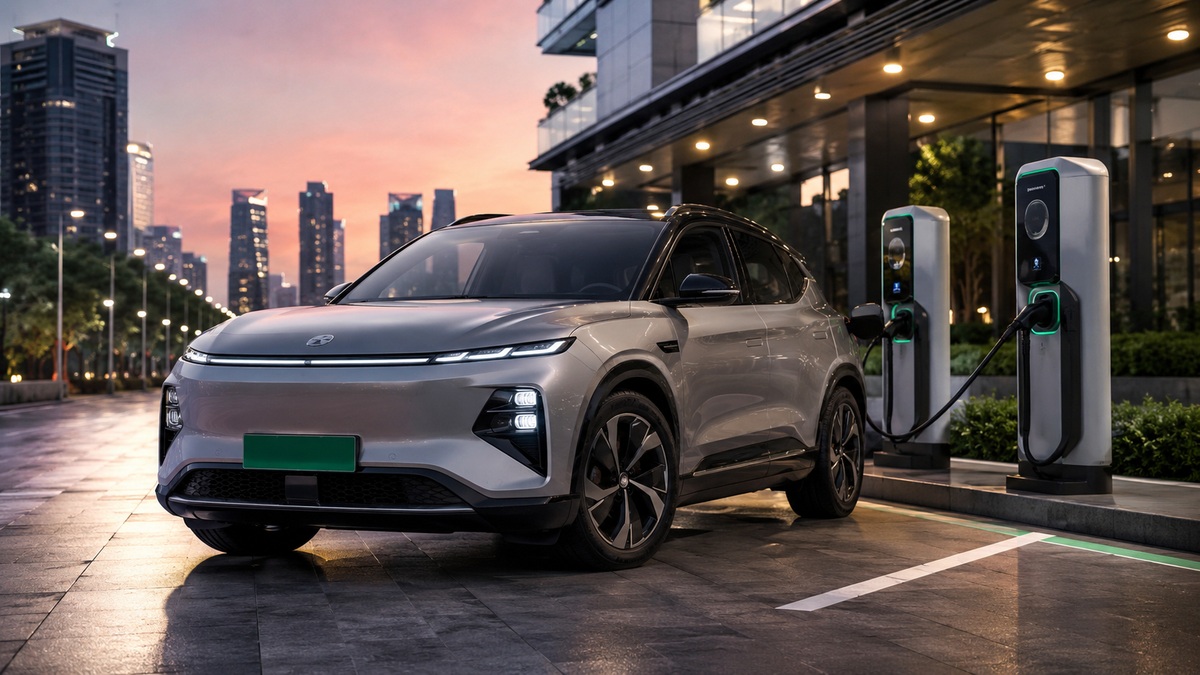
VinFast's India strategy has evolved from an announcement into a multi-layered market entry plan involving vehicles, manufacturing, retail expansion, and ecosystem development.
Introduction
India has become one of the most strategically important automotive markets in the world, particularly for electric vehicles. Every global manufacturer wants a place in the country's future mobility landscape, but very few newcomers arrive with the level of ambition VinFast has demonstrated. What initially appeared to be another exploratory market entry now looks increasingly like a long-term commitment.
The company has introduced India-focused products, announced manufacturing investments, expanded retail plans, and continued building brand awareness. These actions suggest a coordinated strategy rather than a simple product launch.
What Happened
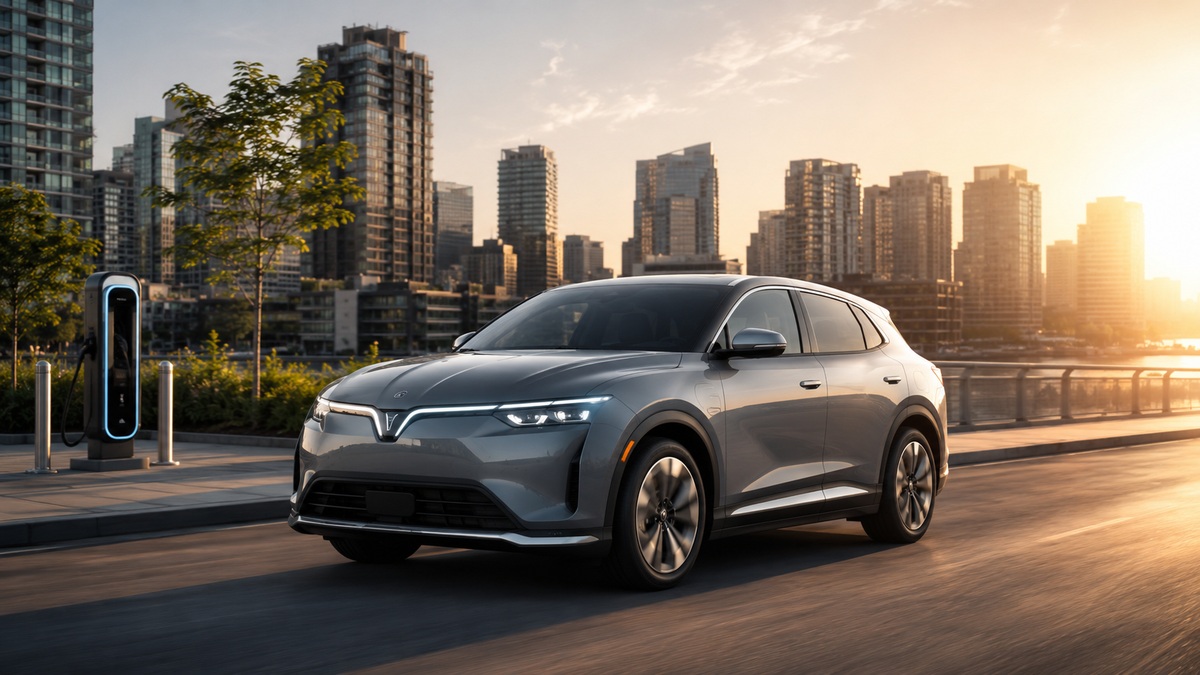
VinFast selected the VF 6 and VF 7 electric SUVs as its first major products for India. The decision is significant because both vehicles target segments that continue to attract growing consumer interest. The company also developed right-hand-drive versions for the market and has repeatedly emphasized its intention to establish a broad dealer network.
Beyond products, manufacturing plans in Tamil Nadu indicate that India is being treated as more than just an import destination. Local production could improve cost competitiveness while supporting future expansion.
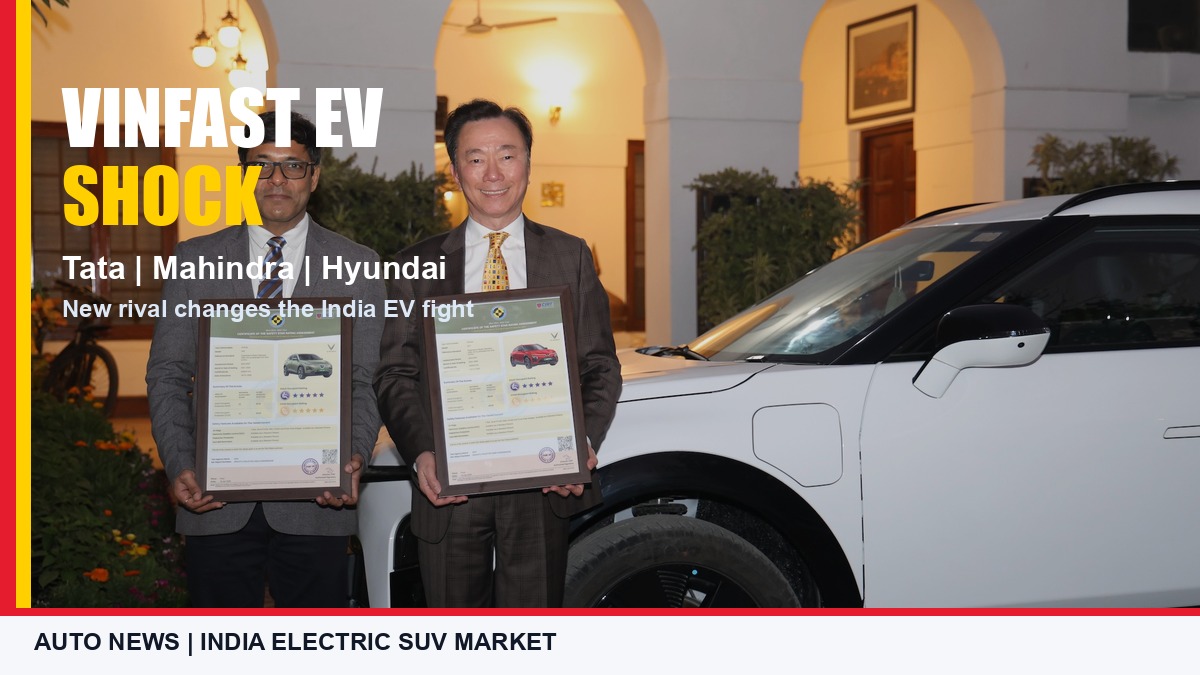
Another important development is the growing visibility of the VF 7, which has received industry recognition and helped strengthen the brand's credibility among prospective customers.
Missing Details
Despite growing momentum, several important questions remain unanswered. Final pricing continues to be one of the most critical factors. India's EV market is extremely price sensitive, and even strong products can struggle if positioned incorrectly.
There is also limited public information regarding long-term service costs, battery replacement economics, residual values, and the scale of future charging partnerships. These details matter because Indian consumers increasingly evaluate total ownership costs rather than headline specifications alone.
Another unknown is sales volume expectations. While expansion plans appear ambitious, the company has not publicly revealed the scale of demand it expects to generate in the early years.
Contradictions and Uncertainties
The available information paints an optimistic picture, but there are natural uncertainties. Product announcements and ecosystem ambitions have moved quickly, while some operational details remain under development. This is not unusual for a growing automaker, but it creates a gap between strategic vision and measurable execution.
There is also a difference between attracting attention and achieving meaningful sales volumes. Several global brands have entered India with strong products only to discover that localization, after-sales support, and pricing are equally important.
Buyer Implications
For consumers, VinFast's arrival creates additional choice in a market that is becoming increasingly competitive. Buyers interested in premium electric SUVs may benefit from stronger competition, improved features, and more aggressive pricing strategies.
Potential customers should pay close attention to dealership coverage, charging support, warranty policies, and service accessibility. These factors often matter more than acceleration figures or technology features once ownership begins.
Early adopters may find attractive value propositions if the company pursues aggressive introductory pricing. However, cautious buyers may prefer to monitor network expansion and customer feedback before making a purchase decision.
Market Impact
VinFast's expansion arrives at an interesting moment. India's EV market is growing, but competition is intensifying. Domestic brands, established global manufacturers, and emerging EV specialists are all targeting similar customer groups.
If VinFast successfully combines local manufacturing with competitive pricing, it could accelerate competitive pressure across several segments. Existing players may need to respond with stronger feature packages, revised pricing strategies, or faster product updates.
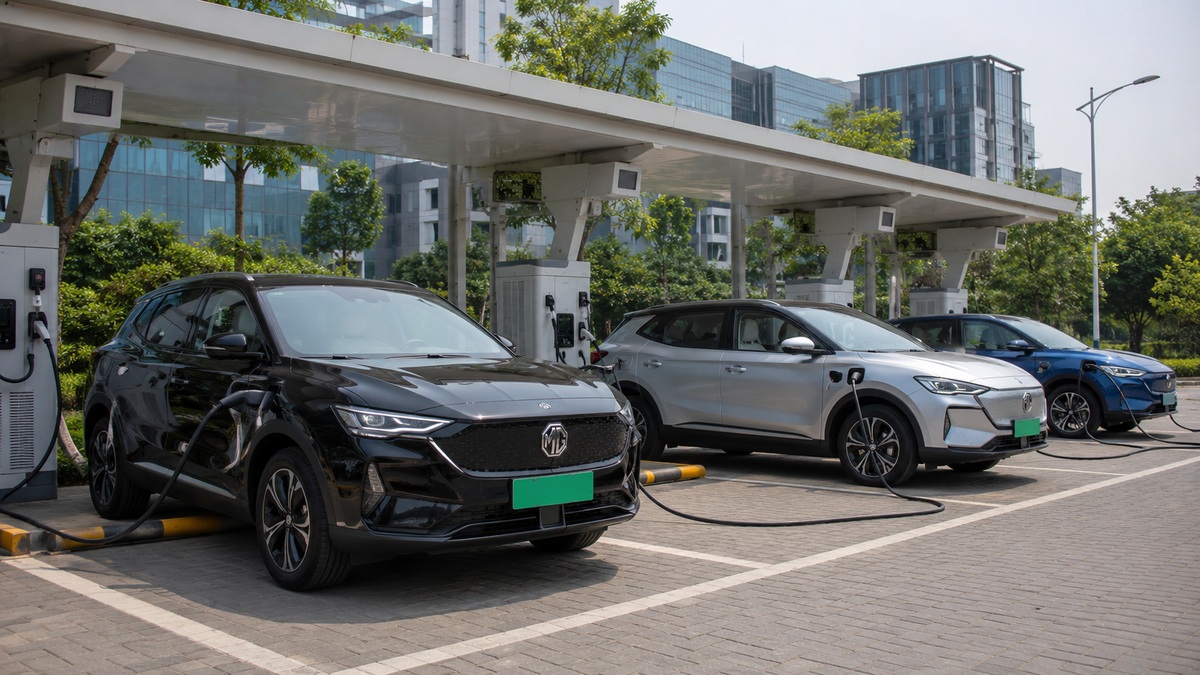
The company's broader ecosystem approach is equally important. Modern EV adoption increasingly depends on financing, charging access, service support, and ownership confidence. Automakers that address these areas effectively gain a meaningful advantage.
Competitor Impact
Several established manufacturers are likely monitoring VinFast closely. Domestic market leaders already possess strong brand recognition and service networks, but they may face additional pressure if VinFast delivers compelling value.
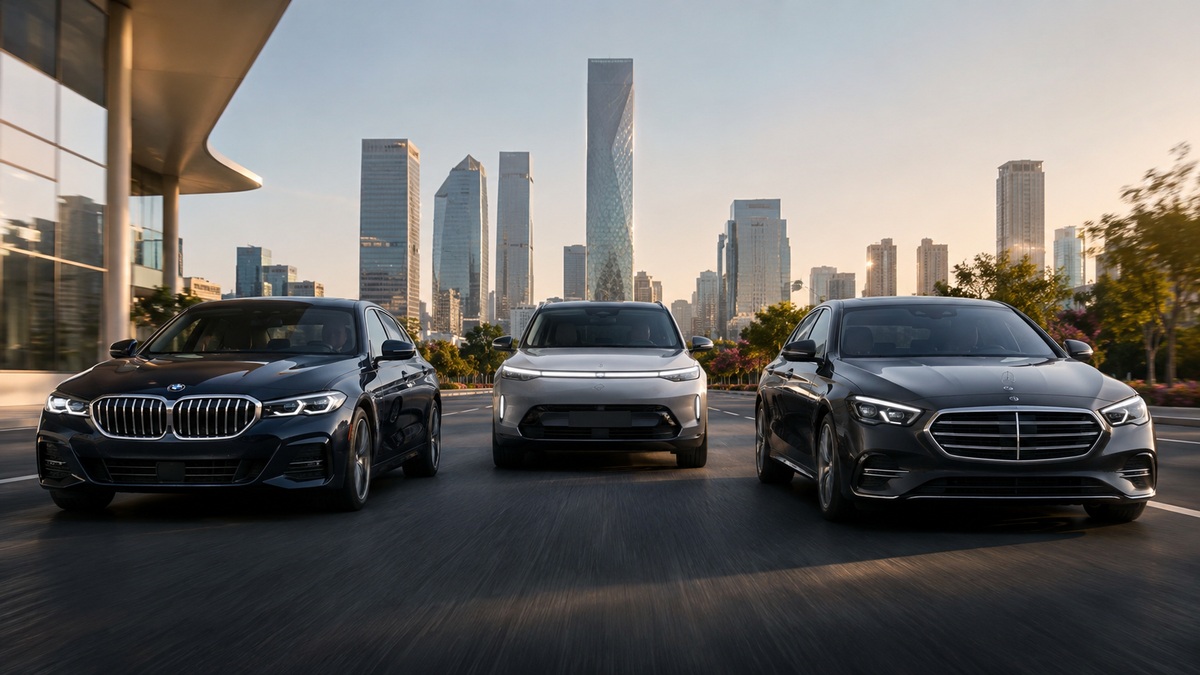
International EV brands could also encounter new competition in the premium SUV category. The arrival of another serious player increases the intensity of product comparisons and consumer expectations.
The greatest impact may ultimately be indirect. Even if VinFast captures only a modest market share initially, its presence could encourage rivals to accelerate innovation and improve customer offerings.
Future Outlook
The next phase of VinFast's India journey will depend on execution. Product quality, pricing, localization, customer experience, and network growth will determine whether current momentum translates into long-term success.
The manufacturing investment provides an important foundation. Local production can improve economics, support exports, and demonstrate commitment to the market. Combined with expanding retail operations, it creates a platform for future growth.
If the company successfully delivers on its plans, India could become one of its most important international markets.
Conclusion
VinFast's India push is no longer easy to dismiss as a symbolic market entry. The combination of product launches, factory investment, dealer development, and ecosystem planning suggests a company preparing for a long-term presence. Important questions remain, particularly around pricing and ownership economics, but the broader direction is increasingly clear. For buyers, competitors, and the wider industry, VinFast has become a company worth watching closely.
FAQ
Which vehicles is VinFast launching in India?
The VF 6 and VF 7 electric SUVs are central to the company's India strategy.
Will VinFast manufacture vehicles in India?
The company has announced manufacturing plans in Tamil Nadu as part of its long-term strategy.
Why does VinFast matter to Indian buyers?
Additional competition can improve consumer choice, features, pricing, and innovation.
What are the biggest unanswered questions?
Pricing, service coverage, charging support, and long-term ownership costs remain key considerations.