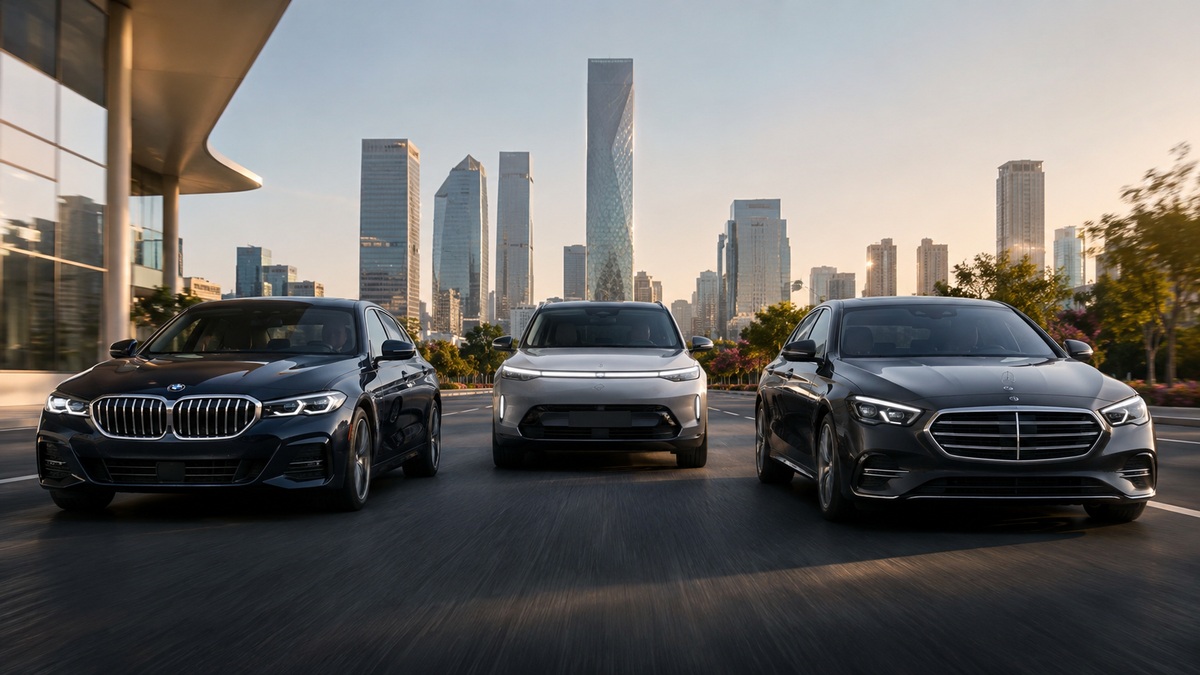
India's luxury-car market is undergoing a significant transition. Recent registration data showed BMW briefly moving ahead of Mercedes-Benz in quarterly performance, ending years of relative stability at the top of the premium segment. While the headline focused on the battle between two German brands, the larger story is about changing consumer behavior, increasing EV adoption, and the emergence of new competitive pressures.
What Happened?
BMW recorded a narrow lead in recent quarterly registrations, supported by product launches, financing initiatives, and strong electric-vehicle demand. Mercedes-Benz, however, retained an annual sales advantage and continues to benefit from strength in top-end luxury products.
The Missing Details
Quarterly registration data does not always align with wholesale sales figures. Different reporting methodologies can create apparent contradictions. Some reports focus on registrations while others use dispatches or retail sales. This distinction is important when evaluating market leadership.
Contradictions In The Data
BMW led in quarterly registrations, but Mercedes-Benz remained ahead across the full fiscal year. Both statements can be true because they measure different periods and sometimes different sales metrics.
Buyer Implications
Luxury buyers are benefiting from wider product choices, stronger EV portfolios, and increasingly competitive ownership packages. Financing support and expanding dealer networks are making premium vehicles accessible to a broader audience.
Market Impact
The overall luxury segment remains relatively flat, suggesting growth is increasingly coming from market-share shifts rather than rapid category expansion. Electrification is becoming a key differentiator.
Competitor Impact
Other premium brands including Land Rover, Volvo, Porsche, and emerging luxury EV-focused players may benefit from changing buyer expectations. The competitive landscape is no longer defined solely by traditional leaders.
Future Outlook
Expect continued investment in EVs, dealership expansion into emerging cities, and more focus on high-margin premium products. Brands that balance technology, ownership experience, and customer engagement are likely to gain ground.
Conclusion
The latest market data should not be viewed simply as a BMW-versus-Mercedes contest. Instead, it highlights a luxury market entering a new phase where electrification, regional expansion, and evolving consumer preferences are redefining competition.
FAQ
Did BMW become India's luxury leader? BMW led recent quarterly registrations, but Mercedes-Benz retained the annual lead.
Why are EVs important? Luxury EV adoption is growing faster than the broader luxury market.
Will competition increase? Yes. More brands, more EVs, and new buyer segments are increasing competitive pressure.