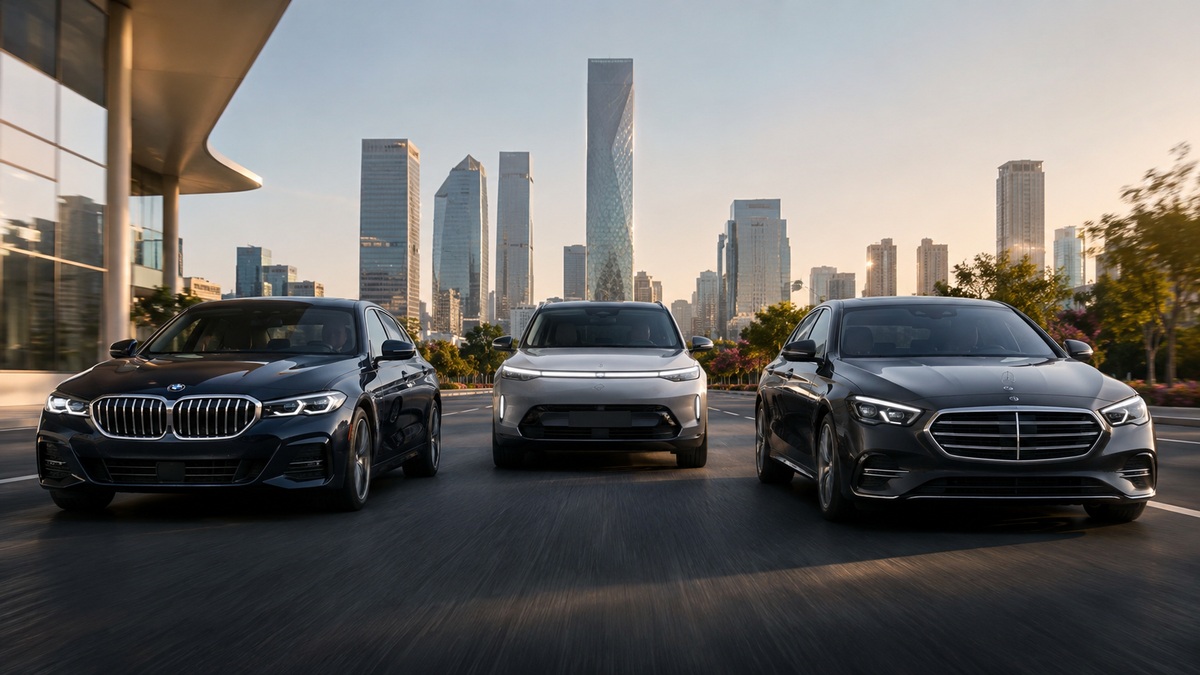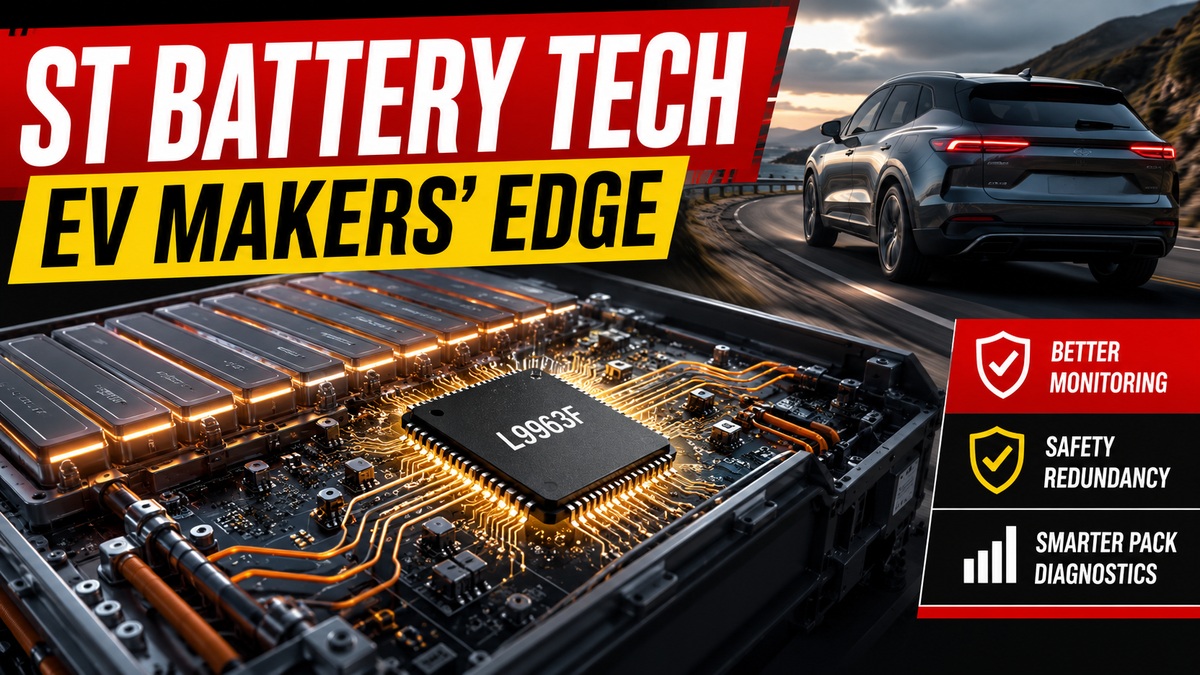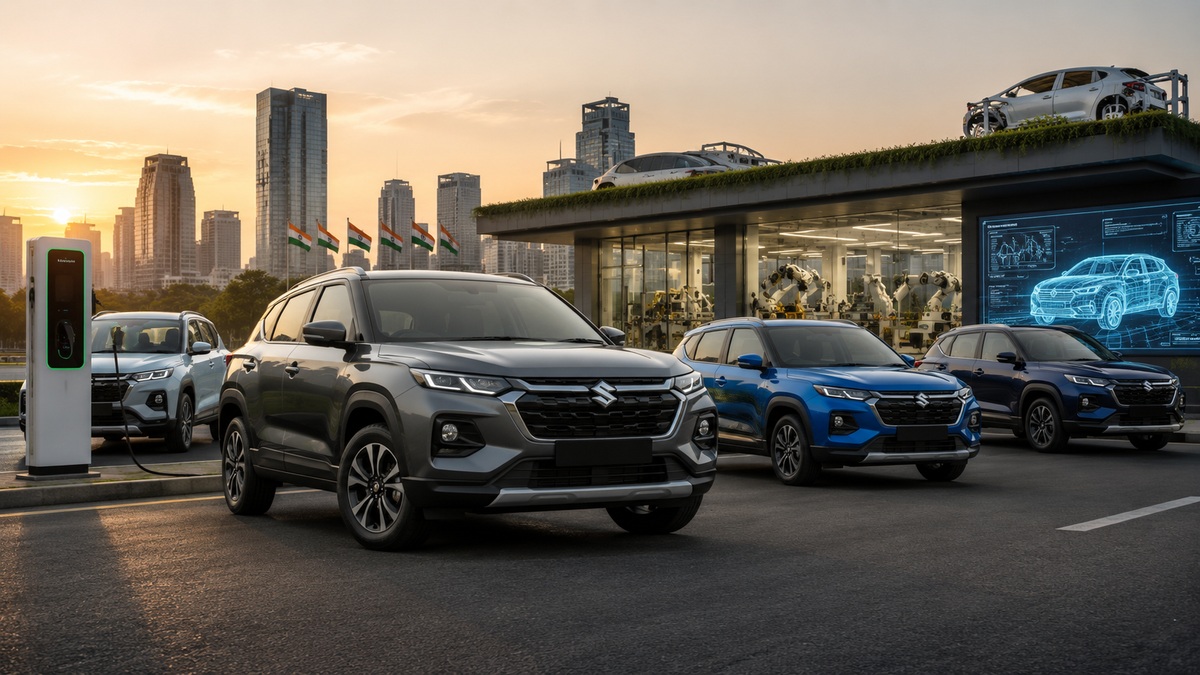
Maruti Suzuki is accelerating development timelines, expanding SUVs, investing in hybrids, EVs, CNG and flex-fuel technologies, and increasing localisation. Together these initiatives could influence the next phase of India's automotive market.
Introduction
India's largest passenger vehicle manufacturer is preparing for a significant transformation. Rather than relying on scale alone, the company appears focused on speed, technology diversity and manufacturing efficiency. The implications extend beyond product launches and could influence how competitors, suppliers and buyers approach the market.
What Happened
The company is reportedly targeting a 25 percent reduction in vehicle development timelines while preparing a broad product offensive that includes SUVs, electric vehicles, hybrids, CNG and flex-fuel models. Increased use of digital engineering, simulation-led development and artificial intelligence is expected to support this effort. Localisation levels are also expected to rise, reducing dependency on imported components.
Missing Details
Several critical details remain undisclosed. The exact launch schedule of future models has not been fully revealed. Pricing strategies for upcoming hybrids and EVs remain unclear. Localisation targets for advanced battery and electronics systems have also not been detailed. In addition, long-term profitability expectations for multiple powertrain investments remain unknown.
Contradictions And Uncertainties
While industry commentary suggests strong growth potential for hybrids and EVs simultaneously, the balance between these technologies remains uncertain. Another question involves small-car demand. Some indicators suggest a recovery, while SUVs continue to dominate consumer preferences. These trends may coexist, but their relative strength remains difficult to predict.
Buyer Advice
Consumers considering a purchase in the next 12 to 24 months may benefit from monitoring upcoming launches. Buyers prioritising fuel efficiency could find more hybrid options. Urban users may see additional EV choices. Cost-conscious consumers could benefit from improved localisation if it helps contain pricing pressures. However, waiting for future launches may not always be the best decision if immediate ownership needs exist.
Market Impact
Faster development cycles could increase competitive pressure across multiple segments. More frequent model introductions may shorten product lifecycles and raise buyer expectations for technology upgrades. Increased localisation could strengthen supply-chain resilience while improving cost competitiveness.
Competitor Impact
Rivals in the SUV, hybrid and EV segments may face greater pressure to accelerate development programmes. Manufacturers investing heavily in premium positioning may encounter stronger competition if advanced technologies become more accessible. The broader supplier ecosystem could also experience increased demands for speed, quality and localisation.
Future Outlook
The strategy suggests a future where multiple technologies coexist. Rather than relying on a single pathway, the company appears to be preparing for EV growth while continuing to support hybrids, CNG and flex-fuel solutions. This diversified approach could help address India's varied infrastructure and consumer requirements.
Conclusion
The significance of this strategy lies not only in the products themselves but in the operational changes supporting them. Faster development, greater localisation and a broader technology portfolio position the company to respond to a rapidly evolving market. Whether the plan fully succeeds remains to be seen, but its influence on industry dynamics is likely to be substantial.
FAQ
What is the biggest change? Faster development cycles and a broader product portfolio.
Will more SUVs be launched? Current indications point toward a strong SUV focus.
Are hybrids important? Yes, hybrids appear to be a key part of the company's strategy.
Will EVs remain a priority? Yes, EV expansion remains part of the long-term plan.