The Real Question Is Not Just Price
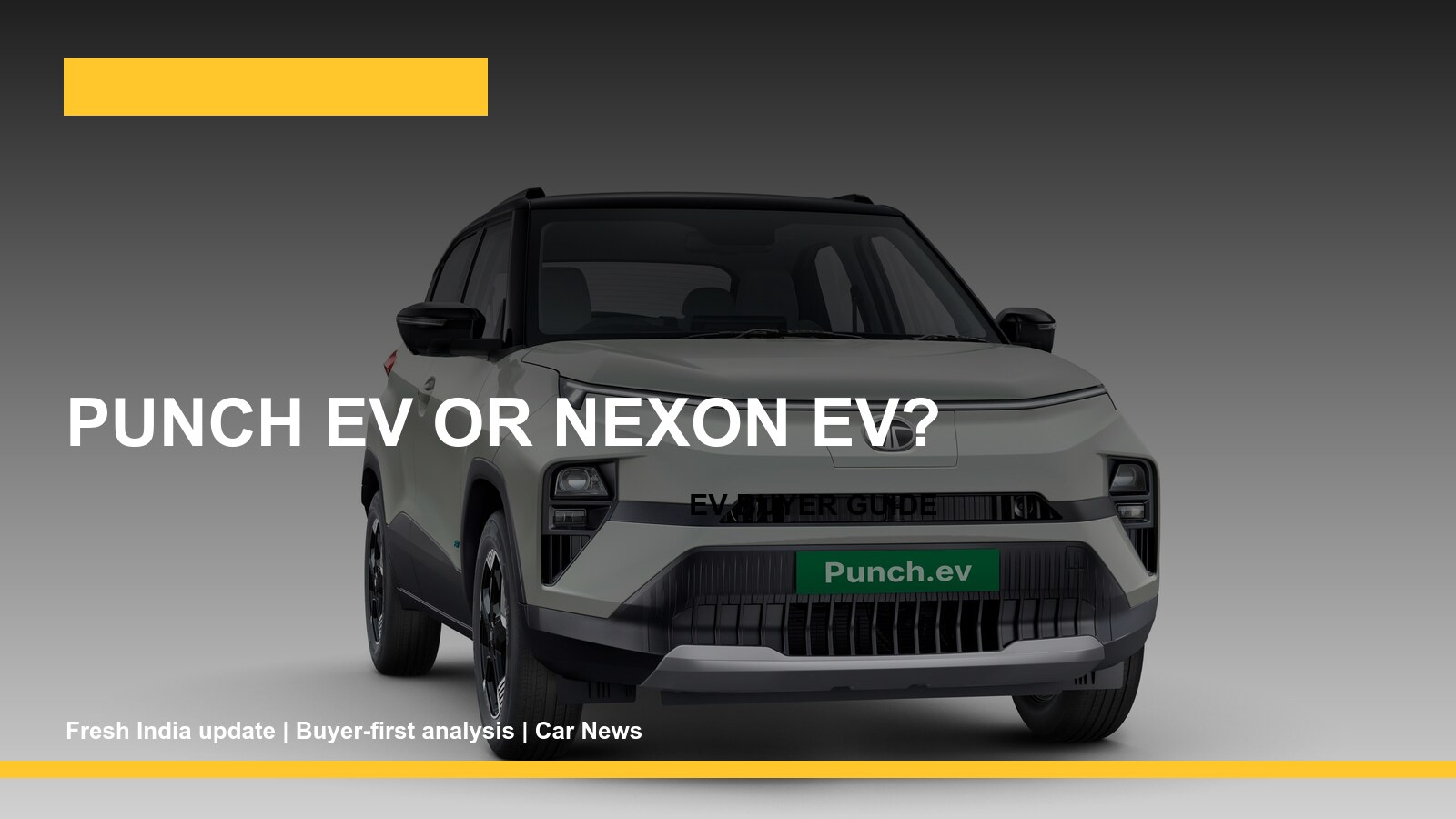
Punch EV vs Nexon EV has become a sharper buying question because Tata's smaller electric SUV now carries stronger equipment, faster charging claims and a more confident feature list. The gap between a loaded Punch.ev and an entry or mid Nexon.ev can look small enough to confuse families who first planned a simple city EV purchase.
Tata's own Punch.ev page highlights a 30 kWh and 40 kWh battery structure, 20 to 80 percent fast charging in 26 minutes and lifetime HV battery pack warranty language. Those details matter because they push the Punch.ev beyond the old assumption that the smaller car is only a budget pick.
Where the Punch.ev makes sense
Choose the Punch.ev if most driving is urban, parking space is tight, and you value feature density over outright cabin width. A top variant can feel richer than its size suggests, especially for buyers who want cameras, connected features and a compact footprint.
The Nexon.ev Still Buys You More Car
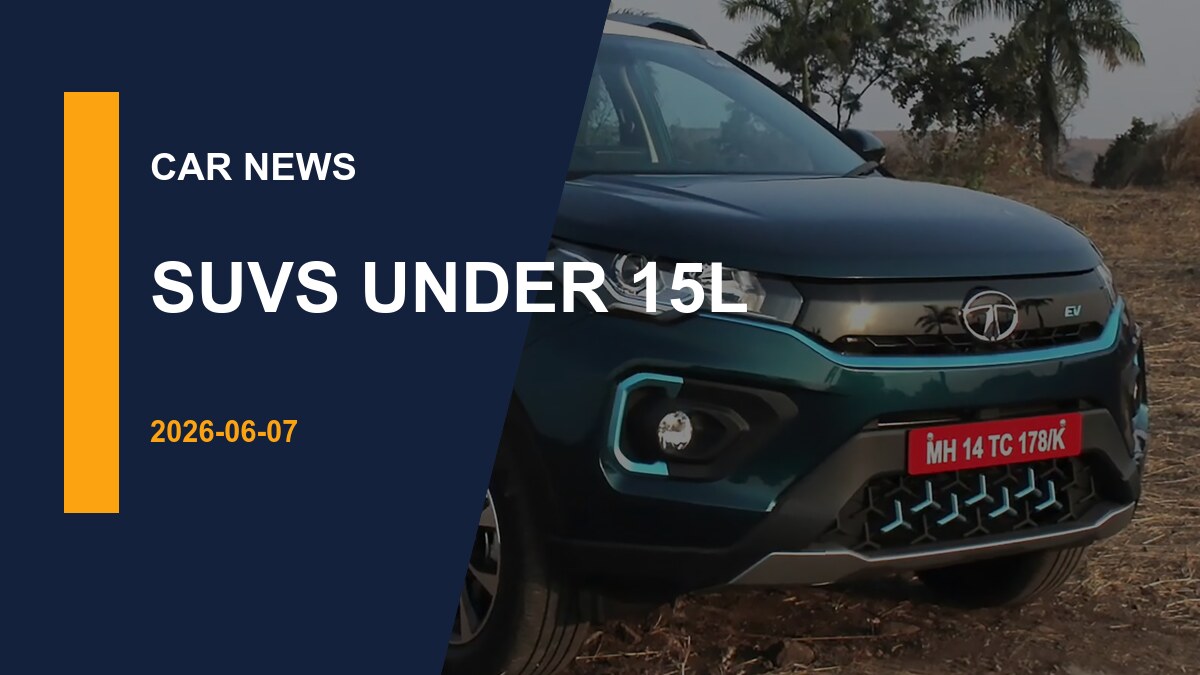
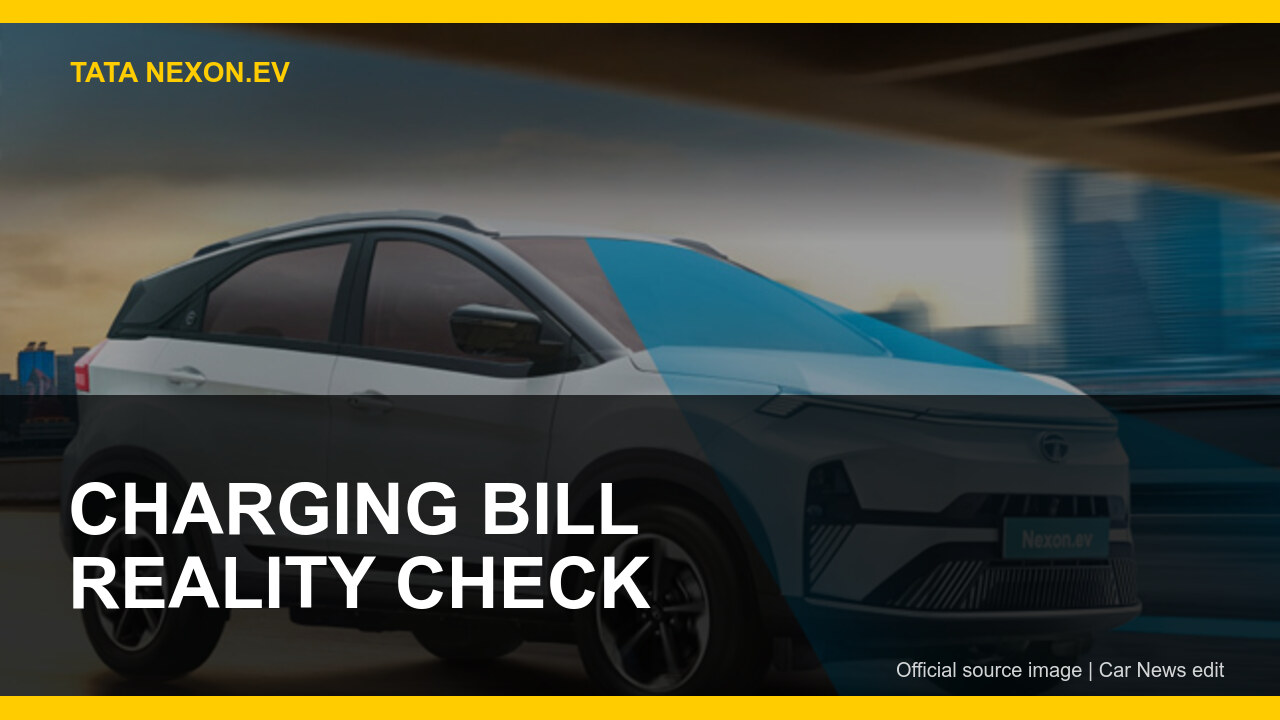
The Nexon.ev remains the more mature family-car choice. It offers a larger body, stronger road presence and a cabin that feels easier for frequent four-adult use. If the EV is replacing the main household car, the Nexon.ev's extra size can be worth more than a few additional gadgets.
The safety argument is not one-sided either. Tata Motors has publicised 5-star Bharat-NCAP ratings for both Punch.ev and Nexon.ev, so the decision moves toward packaging, boot needs, charging routine and monthly EMI comfort rather than a simple safety winner.
Battery, Charging and Daily Range Should Decide the Variant
Indian buyers often compare claimed range first, but the stronger test is whether the car can complete your busiest normal day with a useful buffer. Office commute, school runs, summer AC use and weekend errands are more relevant than a brochure figure that assumes ideal conditions.
If you can install a charger at home, both cars become much easier to recommend. If you depend on public chargers, the Nexon.ev's larger-car role should be checked against charging access near home and office, because an EV that needs frequent planning will feel expensive even when running cost is low.
Buyer check
Test-drive both cars on the same day with the people who will actually sit in the rear seat. Also check the exact insurance quote, charger installation cost and delivery timeline before comparing EMIs.
Market Impact: Tata Is Competing With Itself
This overlap is good for shoppers but tricky for Tata's showroom pitch. The Punch.ev brings more buyers into electric SUVs at a lower entry point, while the Nexon.ev must justify its premium through space, stronger family usability and long-distance confidence.
The better choice is not the car with the more dramatic launch story. It is the Tata EV that fits your parking, passengers, charging access and resale comfort without making you stretch into a variant you do not need.
Conclusion
Buy the Punch.ev for compact-city convenience and high equipment value; buy the Nexon.ev when the EV must behave like the main family SUV. The right answer is the one that keeps space, charging and EMI pressure in balance.