Upcoming EV Cars India: Why 2026 Is a Serious Launch Year
Upcoming EV Cars India has become a high-intent search because buyers are no longer asking only whether EVs work. They are asking which brand will give them the right mix of range, charging confidence, service support and resale protection before they put money down.
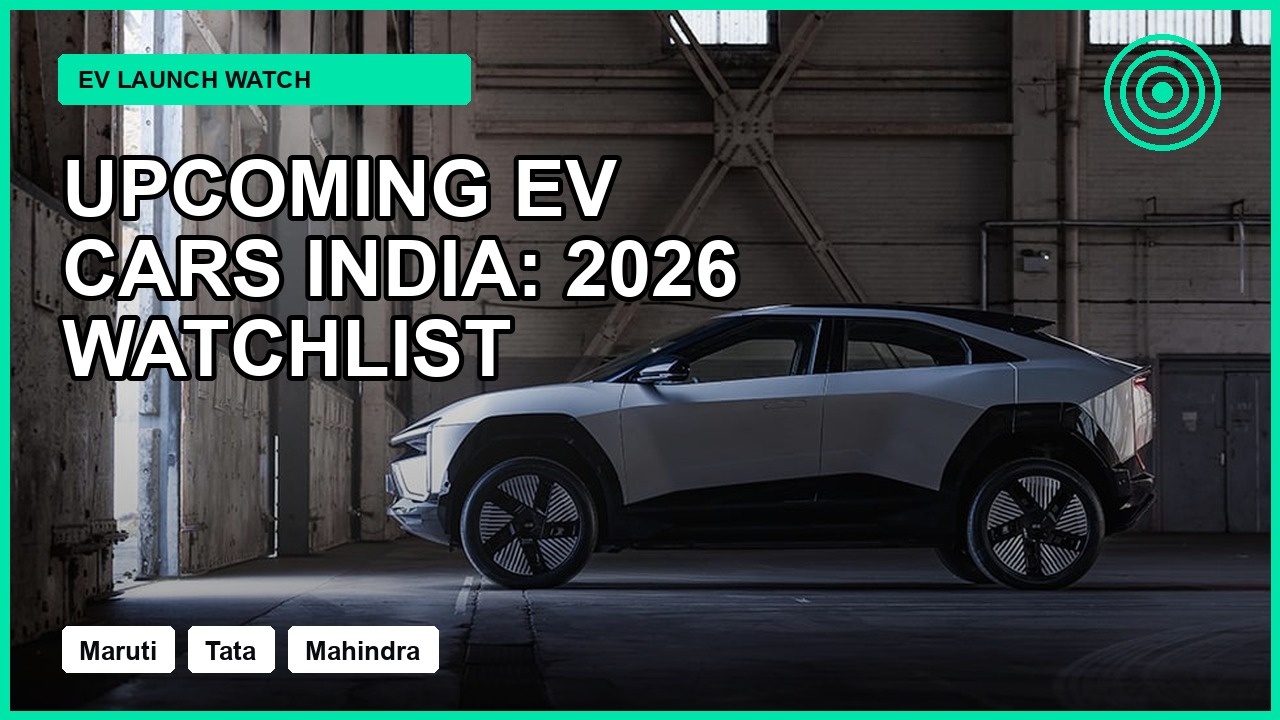
The latest search and news signals point to three themes: Maruti is trying to make EV ownership familiar, Tata is expanding from compact EVs into bigger SUVs, and Mahindra BE 6 XEV 9e India buzz has made born-electric SUVs feel aspirational. That is why the next launch cycle matters more than a normal model-year update.
Search intent: buyers want launch timing, range and ownership confidence
People searching Upcoming EV Cars India are usually comparing wait time, expected price band, battery warranty, charging access and whether the car can replace a petrol SUV. A useful launch guide has to answer those practical questions instead of only listing model names.
Maruti e Vitara, Toyota Urban Cruiser EV and the Charging Story
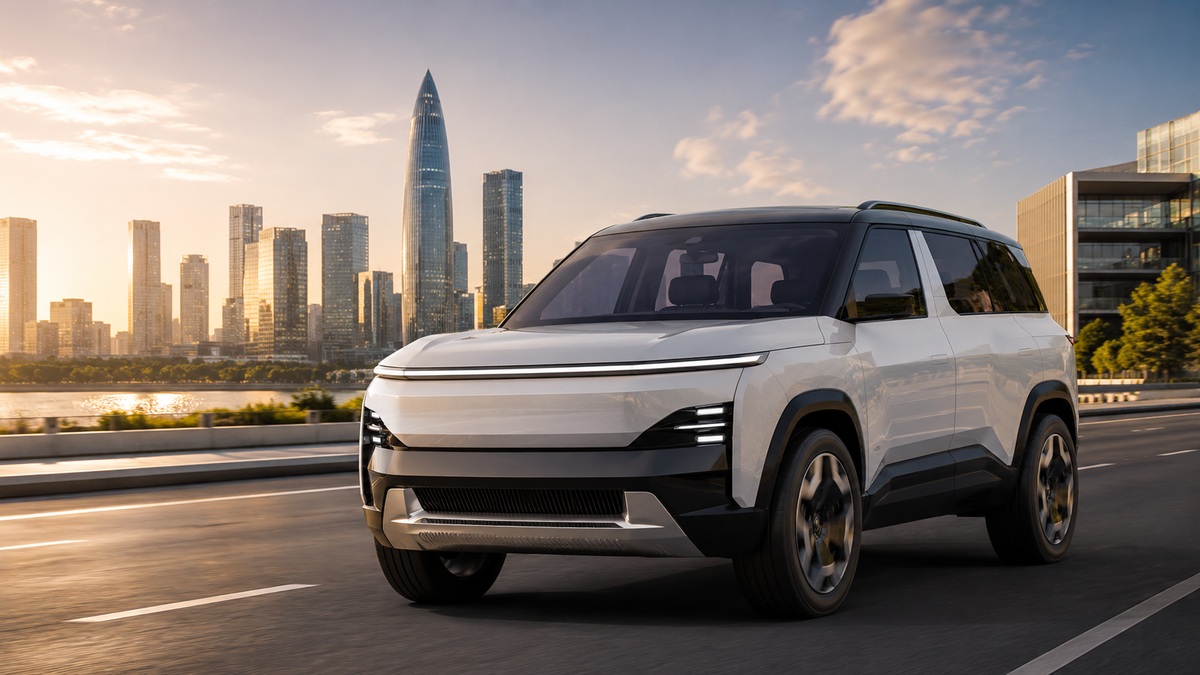
Maruti e Vitara is the biggest mainstream name to watch because Maruti is not selling only an electric SUV. Its official launch material points to BaaS pricing, home-charging support, public charging through the e for me app, battery warranty and a large EV-ready service network.
That is why Maruti e Vitara charging network India is already an important internal comparison for buyers. If Maruti executes the support story well, the e Vitara and Toyota Urban Cruiser EV sibling could make EV ownership feel less experimental for family SUV shoppers.
What to watch before booking
Watch final variant prices, real-world highway range, charger availability in your city, and whether BaaS math makes sense for your monthly driving. The cheapest entry price is only useful if the running plan fits your actual use.
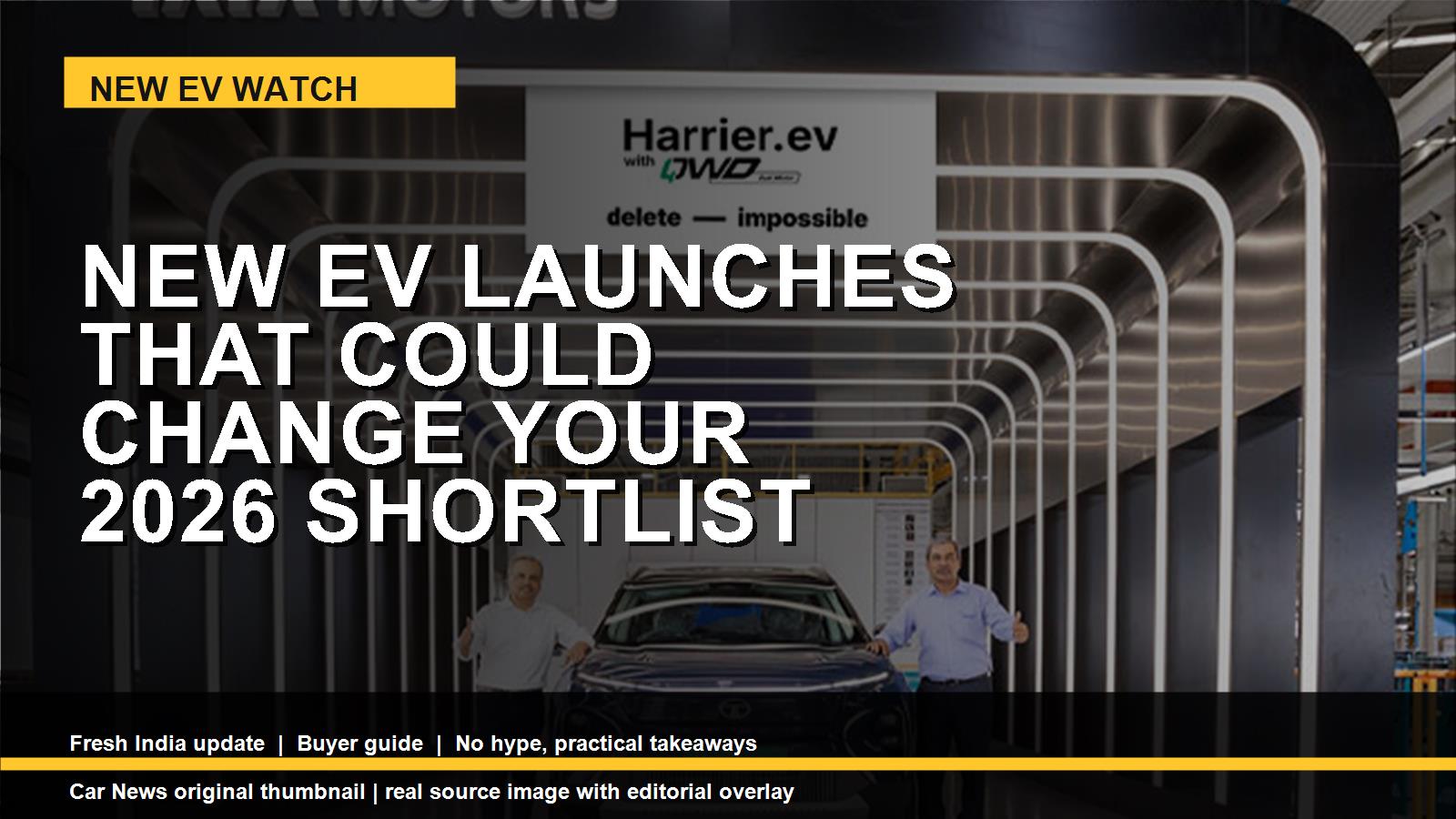
Tata Sierra EV, Harrier EV and the Next Tata EV Push
Tata EV sales India momentum gives Tata a strong base, but 2026 buyers are watching whether the brand can move upmarket without losing value. The Sierra EV discussion is not just nostalgia; it is about Tata entering a more emotional SUV space where design and cabin experience matter as much as range.
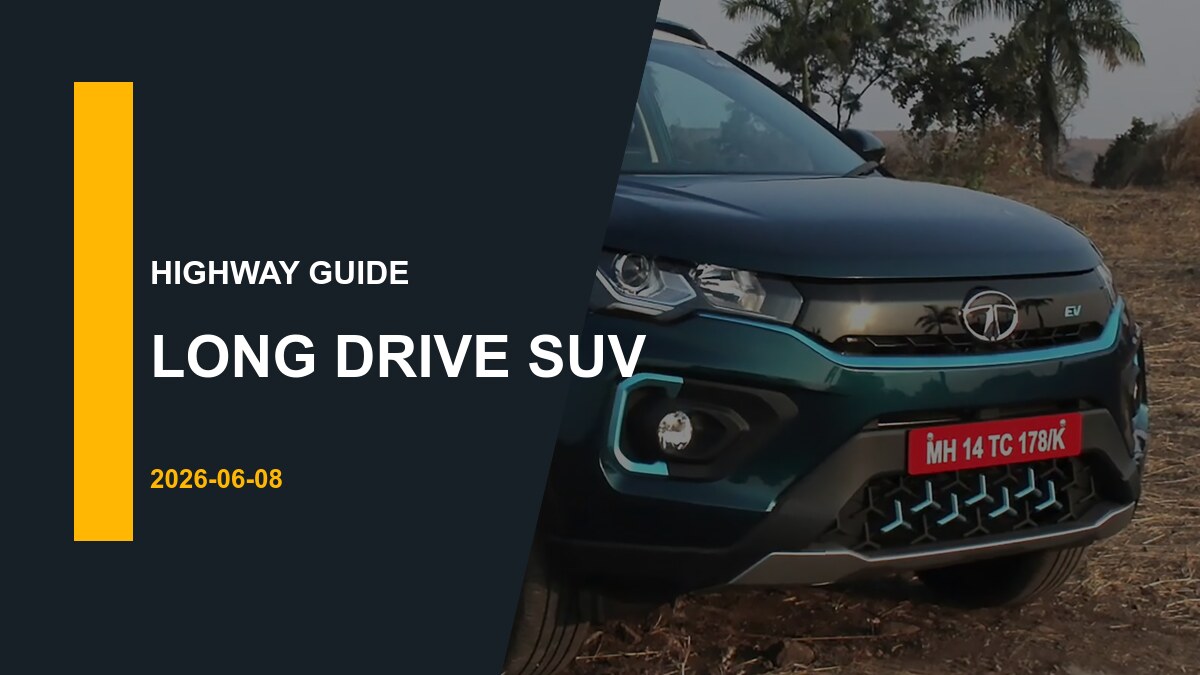
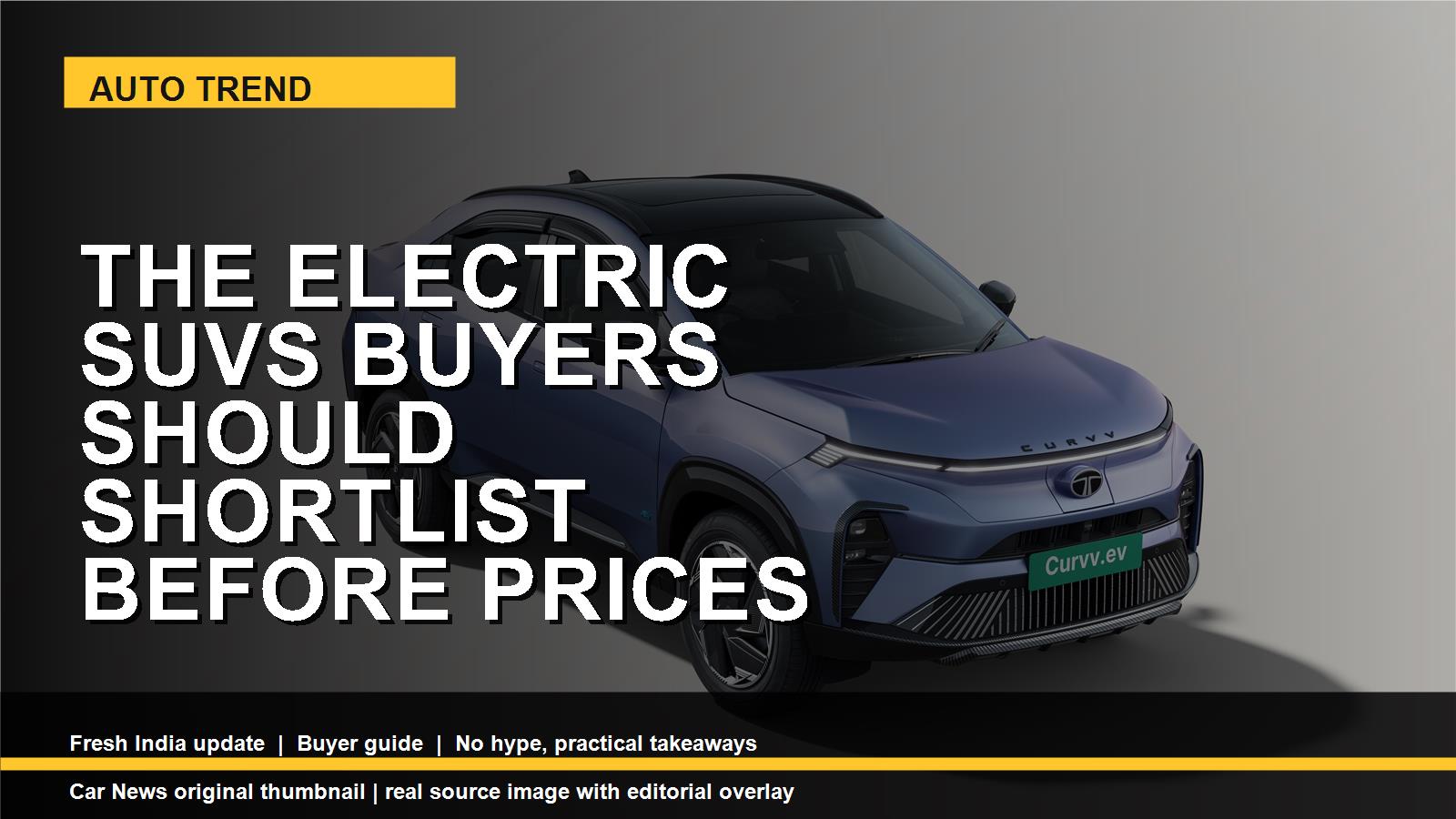
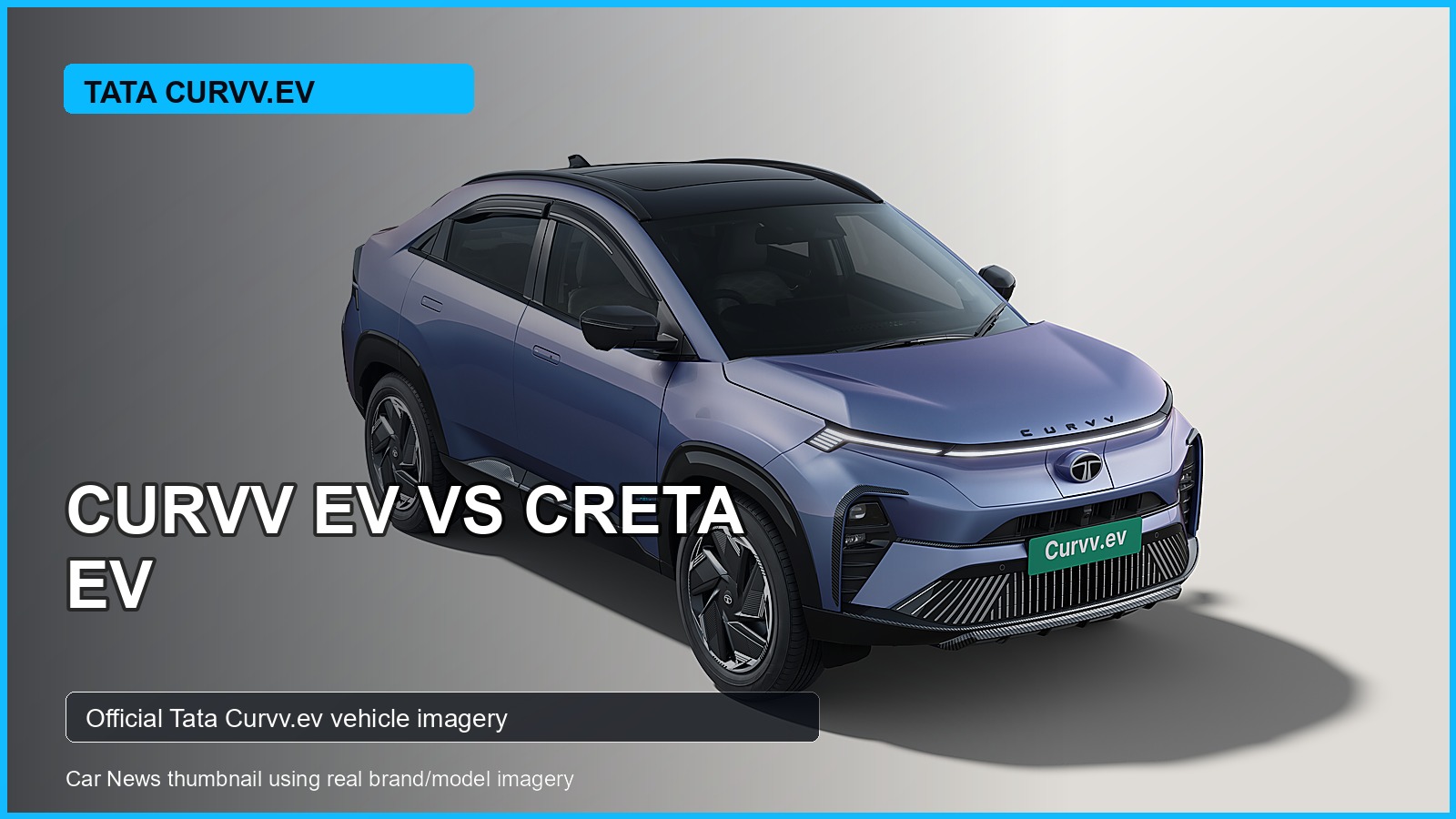
For buyers who already like Nexon.ev, Punch.ev or Curvv.ev, the larger Tata EVs could become natural upgrades. The open question is whether Tata can keep software, charging support and service experience as strong as the product story.
Buyer takeaway
If you want a premium electric SUV, wait for real delivery reviews and not just claimed numbers. Early launches can look exciting, but ownership quality is proved after the first few months on Indian roads.
Mahindra, Hyundai, Kia and BYD: The Competitive Pressure
Mahindra has already changed the tone of the EV SUV market with the BE 6 and XEV 9e. Their design-led positioning makes every upcoming rival work harder on cabin tech, performance and visual impact.
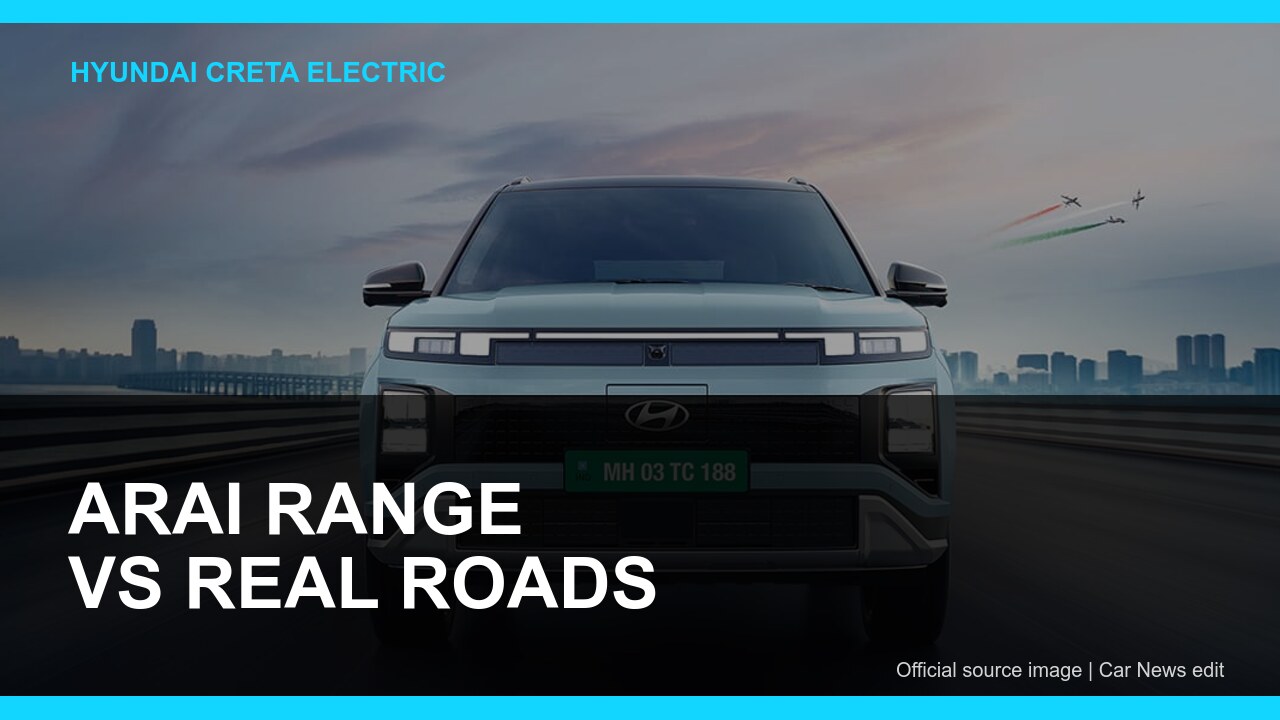
Hyundai, Kia and BYD are also part of the upcoming EV conversation because Indian buyers increasingly compare global EV tech with local service reach. That makes Electric SUV India one of the strongest category tags for 2026.
Best strategy for buyers
Shortlist by use case: city commuting, highway trips, family seating, charging access and service confidence. The most viral launch is not always the best car for your garage.
Conclusion
The smartest next step is to match the headline trend with real-world needs before booking or upgrading.