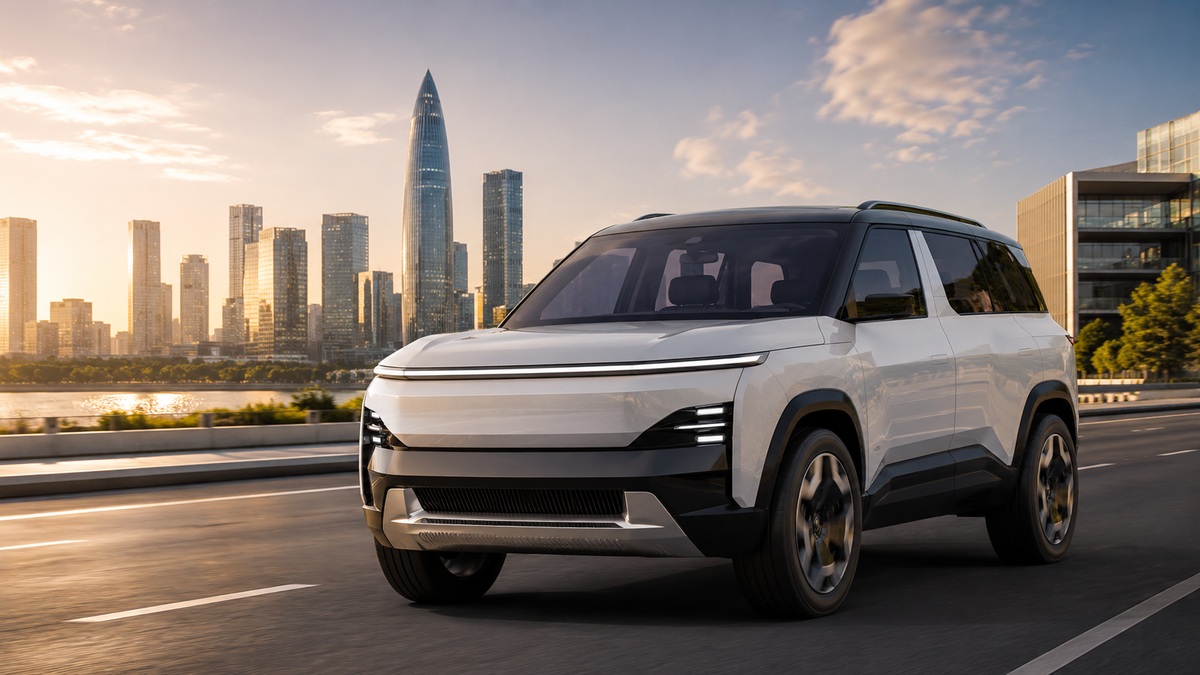
The upcoming Sierra EV is more than a new model. It represents Tata Motors' attempt to blend heritage, technology, and mainstream appeal into a single product.
Introduction
Few automotive names carry as much emotional value in India as Sierra. Its return in electric form arrives at a time when the country's EV market is evolving rapidly. Buyers are demanding longer range, better technology, stronger design identity, and premium ownership experiences. The Sierra EV appears designed to answer all of those expectations.
What We Know So Far
Available information suggests the Sierra EV will sit on Tata's latest EV-focused architecture and could share technologies with newer-generation electric models. Reports point toward battery options potentially ranging from around 55kWh to 65kWh, while range expectations extend toward the 600km mark under certification testing. Real-world results are expected to be lower but still competitive.
Design is expected to be a major selling point. Rather than chasing futuristic styling alone, the Sierra EV appears set to leverage its iconic glass-house heritage while integrating modern EV design elements. That combination could help it stand apart in a crowded SUV market.
Missing Details
Several critical details remain unknown. Tata has not officially confirmed final battery specifications, exact charging speeds, variant structure, pricing strategy, or complete powertrain outputs. These factors will ultimately determine how competitive the Sierra EV becomes.
Another unanswered question is positioning. If Tata prices the vehicle aggressively, it could attract buyers upgrading from compact EVs. If pricing moves too far into premium territory, competition becomes significantly tougher.
Contradictions Across Available Reports
Different reports reference varying launch timelines, battery pack possibilities, and range estimates. Some indicate launch activity around June, while others suggest later timing. Range expectations vary from realistic 400-500km estimates to certified figures approaching 600km. These differences are common before official specifications are released.
There are also varying references to AWD availability. While some reports suggest dual-motor versions are likely, official confirmation remains limited.
Buyer Advice
Potential buyers should focus on real-world range rather than headline certification numbers. Charging infrastructure, ownership costs, warranty coverage, and service support remain equally important considerations.
The Sierra EV could appeal strongly to buyers seeking something more distinctive than mainstream electric SUVs. Space, design identity, and potential technology features may become major advantages.
However, buyers should wait for confirmed specifications before making purchase decisions. Battery chemistry, charging performance, software experience, and pricing will ultimately shape value.
Market Impact
The Sierra EV arrives during a period of accelerating EV adoption. The Indian market is no longer driven solely by early adopters. Mainstream consumers are increasingly considering electric vehicles as practical alternatives.
If Tata delivers competitive pricing and strong execution, the Sierra EV could help expand the premium EV segment rather than simply take share from existing products. That distinction is important because true market growth depends on attracting new customers.
The vehicle may also strengthen confidence in domestic EV development and encourage further investment across the ecosystem.
Competitor Impact
Rivals will not ignore this launch. Existing electric SUVs could face pressure on design differentiation, feature offerings, and pricing. Manufacturers with upcoming EV programs may need to accelerate development timelines or enhance value propositions.
The greatest competitive pressure may emerge in the space between mainstream and premium electric SUVs, where buyers often struggle to find products that balance aspiration and affordability.
Future Outlook
The Sierra EV could become a blueprint for future launches by demonstrating how heritage can be modernized without becoming nostalgic. Success would validate the idea that strong brand identity remains valuable even in the EV era.
Longer term, the model's performance could influence future platform investments, product planning decisions, and premium EV strategies across the industry.
Conclusion
The Sierra EV has the ingredients required for a major success story: a recognizable name, promising technology, strong design identity, and favorable market timing. Yet its ultimate impact will depend on execution. Pricing, range, charging capability, software quality, and ownership experience remain the factors that matter most. If Tata gets those elements right, the Sierra EV could become one of the defining electric SUV launches in India.
FAQ
When is the Sierra EV expected to launch? Current reports suggest a launch window in 2026, although exact timing may vary.
Will the Sierra EV offer AWD? Some reports indicate the possibility of a dual-motor AWD version, but official confirmation is limited.
What range can buyers expect? Estimates vary, with certified figures potentially approaching 600km and real-world expectations lower.
Who are the likely competitors? Other electric SUVs in the mid-size and premium segments are expected rivals.