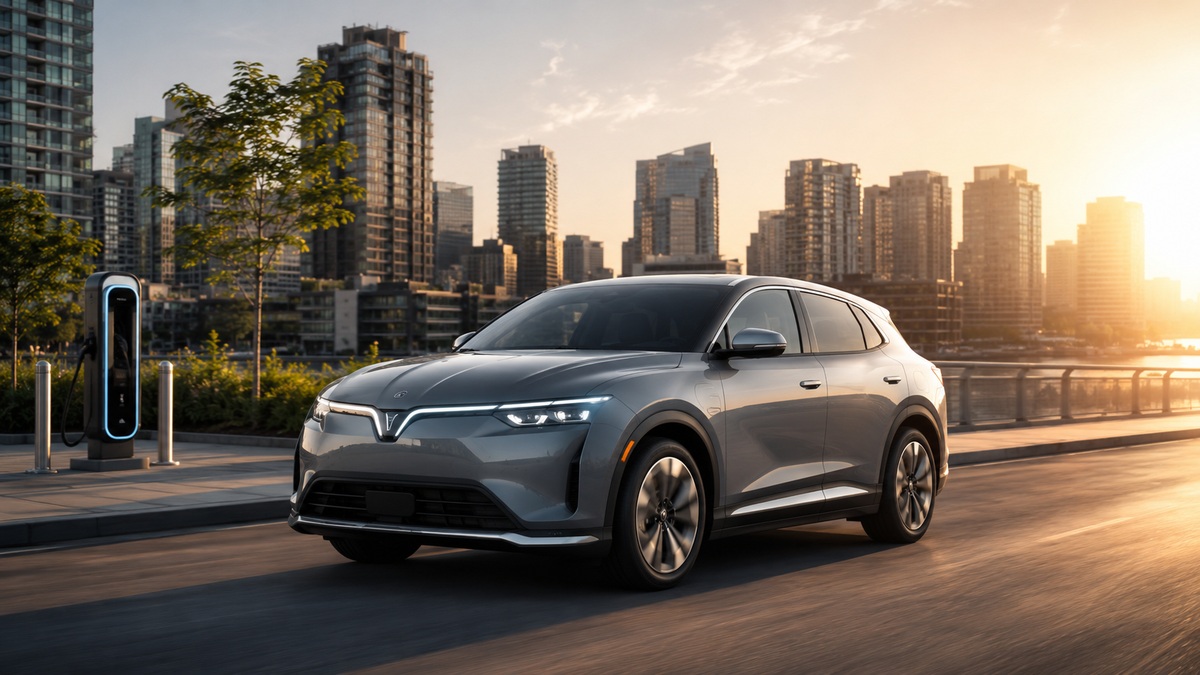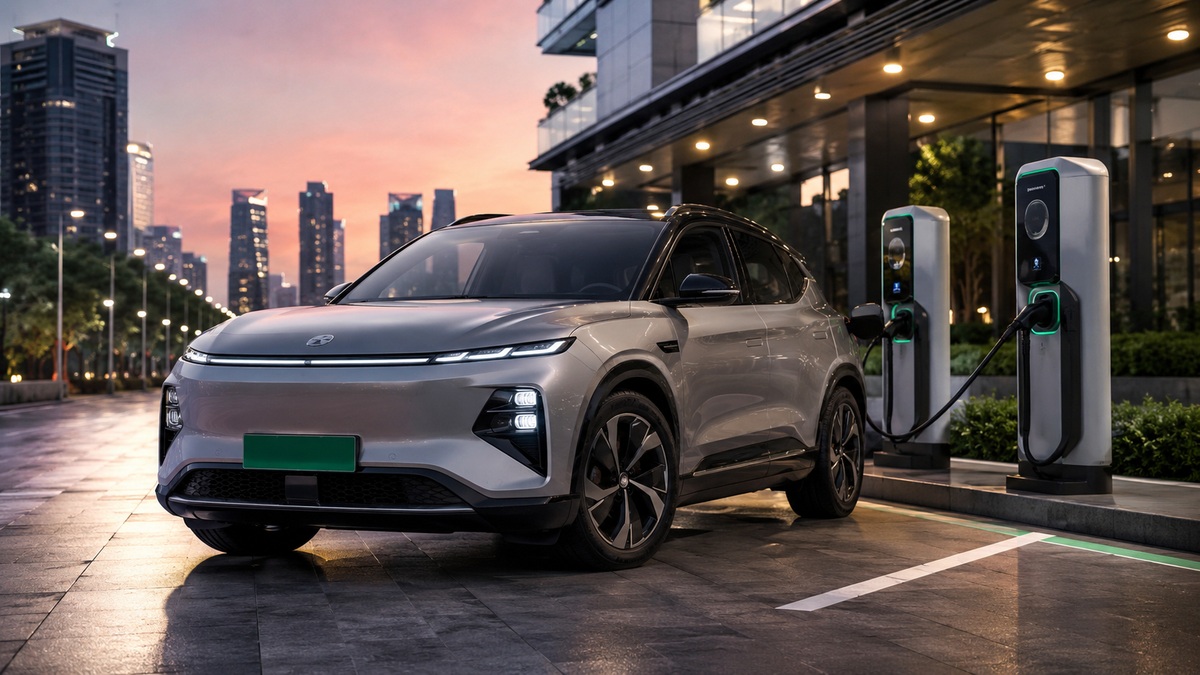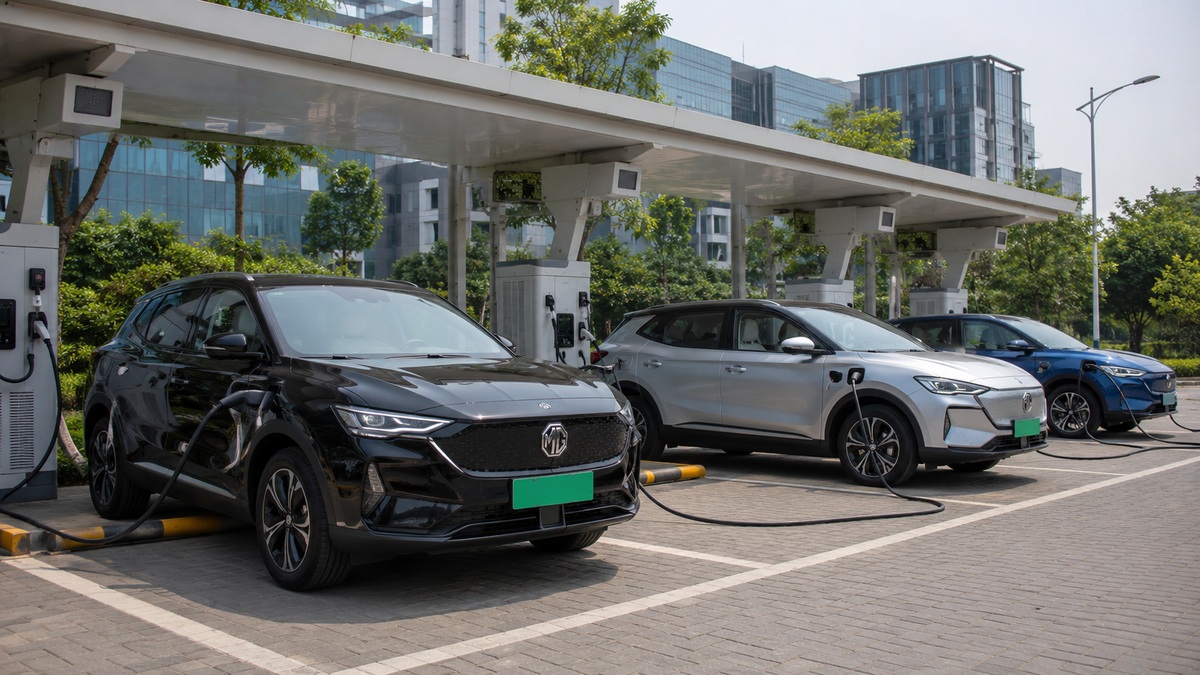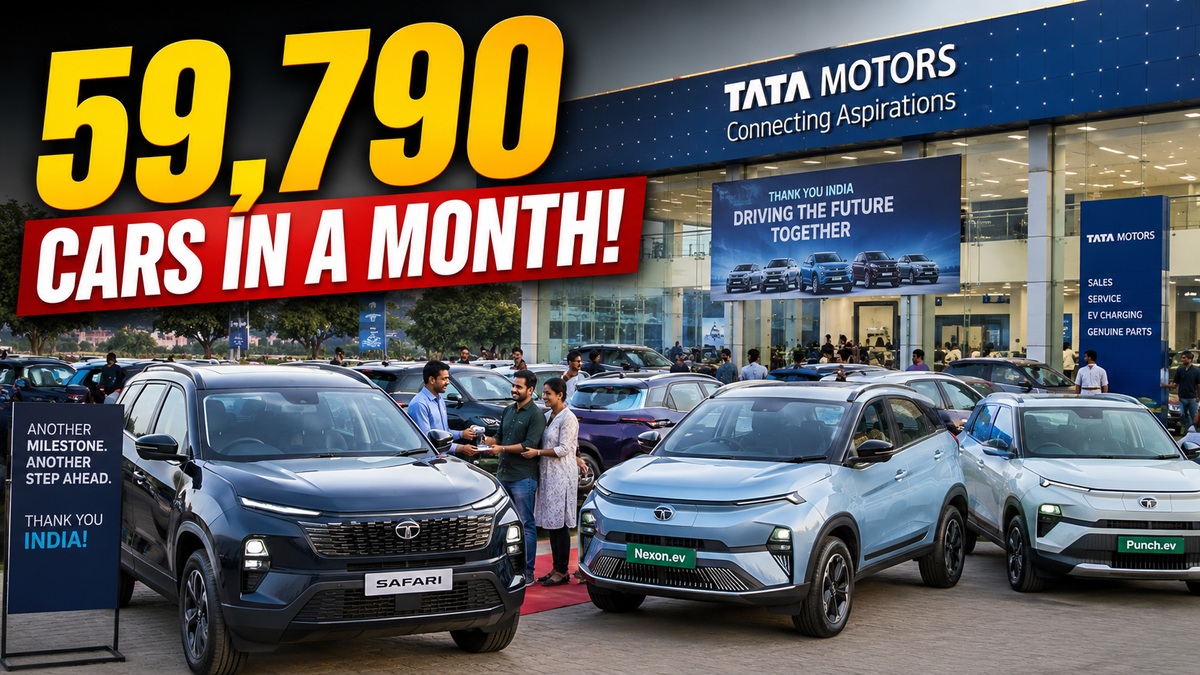
Tata Motors reported 59,790 passenger vehicle sales in May 2026, up from 42,040 units in May 2025. The 42% year-on-year jump is not just a strong monthly result; it is a signal that Tata's mix of SUVs, hatchbacks and electric vehicles is giving the brand fresh momentum at a time when Indian buyers are comparing more choices than ever.
The headline number is big enough to grab attention, but the deeper story is even more important. Domestic passenger vehicle sales reached 59,090 units, exports stood at 700 units, and electric vehicle volumes climbed to 10,517 units. That EV figure alone was up 85% year-on-year, giving Tata another talking point in a segment where every manufacturer wants to look future-ready.
Why This Month Stands Out
Monthly sales numbers can be noisy. A single month can be lifted by production timing, dispatch cycles, festive demand, dealer stocking or pending deliveries. May 2026 still deserves attention because Tata improved across more than one indicator at the same time. The company grew total passenger vehicle volumes, held strong domestic demand, expanded exports from a small base and posted a major rise in electric vehicle sales.
That combination matters because it suggests the performance was not built around one product or one short-term push. A healthy sales month is easier to explain when one new launch pulls numbers upward. It becomes more meaningful when a broader portfolio participates. Tata now competes across compact hatchbacks, micro SUVs, compact SUVs, premium SUVs and multiple EV price bands. That spread gives it more ways to capture demand when buyer interest shifts from one segment to another.
The other reason the number is being discussed is competitive position. In recent years, India's passenger vehicle market has become more fluid. The old ranking logic is no longer as predictable as it once was. Maruti Suzuki still has huge scale, but Tata, Hyundai, Mahindra, Kia, Toyota and others are all fighting for stronger positions in high-demand segments. A 59,790-unit month gives Tata a powerful argument that it is no longer just an alternative choice for many buyers. It is a mainstream force with serious volume strength.
The EV Number Is the Real Warning Shot
The 59,790-unit headline pulls readers in, but the 10,517-unit EV figure may be the more strategically important number. Electric cars are still a developing part of India's passenger vehicle market, but the segment is becoming more visible each month. Tata has been one of the strongest early movers, and May 2026 reinforces that lead.
EV growth is not only about selling more cars. It affects charging partnerships, supplier relationships, software development, battery procurement, service training and resale confidence. When a manufacturer sells EVs at meaningful scale, it gets more real-world data and more ownership feedback. That can help improve future products, after-sales processes and customer confidence.
For buyers, the EV milestone sends a practical signal. More sales can support a wider service ecosystem and more familiar ownership experience. It can also make EVs feel less experimental to first-time electric car buyers. That does not mean every buyer should immediately switch to an EV. Charging access, daily running distance, highway usage, home parking and long-term battery confidence still matter. But rising volumes make the conversation less theoretical and more mainstream.
What Buyers Should Read Between the Lines
Strong sales numbers often create a sense of market validation. Buyers may look at a growing brand and assume the ownership ecosystem is improving. There is some logic in that. Higher volume can support larger service networks, better parts availability and stronger resale visibility. It can also encourage lenders, insurers and accessory providers to build more familiarity around the brand's products.
However, buyers should not treat a high sales month as a substitute for personal evaluation. The right car still depends on budget, fuel type, safety expectations, running pattern, service access and the exact model being considered. A popular model can still have variants that are better value than others. A strong EV lineup can still require a home-charging check before purchase. Sales momentum is useful context, not the final buying decision.
The biggest buyer benefit may come from competition. When Tata posts a strong result, rivals have to respond with better pricing, more features, updated powertrains and stronger customer support. That pressure helps shoppers. If brands compete harder for attention, buyers get more options and faster product updates.
Why Rivals Will Be Watching Closely
Tata's May 2026 performance puts pressure on multiple competitors at once. Hyundai faces Tata in compact SUVs and premium mass-market segments. Mahindra competes in SUVs and is building a stronger EV pipeline. Maruti Suzuki has scale but is also preparing for deeper electrification. Toyota has hybrid strength. Kia has design-led appeal in several family car segments. Every one of these companies will be studying where Tata's growth came from and whether it is repeatable.
The key competitive question is not simply whether Tata can outsell one rival in a given month. The bigger question is whether Tata can keep building a brand ecosystem that feels broad, modern and trustworthy. If buyers see Tata as strong in safety, SUVs and EVs at the same time, the company gets a multi-layer advantage. It can attract family buyers, urban EV adopters, budget-conscious shoppers and premium SUV customers without depending on one narrow image.
That is why this result has market impact beyond the raw number. It strengthens Tata's narrative at a time when Indian buyers are making more research-driven decisions. A sales chart can influence perception. Perception can influence showroom visits. Showroom visits can influence future sales. Momentum, once visible, can become part of the brand's selling story.
The Profitability Question Still Matters
There is one caution that should not be ignored: volume is not the same as profit. A manufacturer can grow sales while still facing pressure from discounts, input costs, warranty expenses, financing offers or a less profitable product mix. The public monthly numbers show demand strength, but they do not reveal the full margin picture.
This is especially relevant in EVs. Electric vehicles can require heavy investment in battery sourcing, software, electronics, service training and charging support. Higher volume helps, but profitability depends on scale, localization, pricing discipline and cost control. Tata's EV growth is impressive, yet long-term success will depend on how efficiently the company can keep expanding the business.
That said, strong EV volume can still be strategically valuable even before margins fully mature. It can establish leadership, build customer trust and give the company a base for future models. In a market that is still forming its EV habits, early scale can be a serious advantage.
What Could Help Tata Sustain Momentum
To keep the momentum alive, Tata will need consistency across product quality, launch timing, service experience and supply reliability. The company already has recognizable nameplates, but buyers are becoming more demanding. They expect polished interiors, connected features, smooth software, strong safety credentials and predictable after-sales support.
New product updates will also matter. Indian buyers respond quickly to refreshed designs, new features and stronger value packages. If Tata keeps its high-volume models fresh while expanding EV choices, it can defend the attention it earned in May. If updates slow down or service complaints rise, rivals will look for openings.
The charging story is another important piece. EV growth depends not only on the vehicles themselves but also on confidence around daily usability. More public chargers, better reliability, easier payment systems and clearer ownership education can all help turn interest into sales. Tata's EV leadership gives it an opportunity, but infrastructure and customer support need to keep pace.
Market Impact
The broader market impact is clear: India's car business is becoming more competitive, more electric and more portfolio-driven. Tata's latest number shows how quickly a brand can gain attention when it performs strongly across both conventional and electric vehicle categories.
For the industry, this may accelerate product planning. Rivals could push harder on affordable EVs, feature-rich SUVs and hybrid alternatives. Dealers may also adjust their messaging around availability, finance schemes and exchange bonuses. Buyers may see more aggressive campaigns as manufacturers try to protect share.
For investors and industry watchers, the result gives another clue about where demand is moving. SUVs remain central, EVs are gaining visibility, and brands with multiple active growth drivers have an advantage. Tata's 59,790-unit month is therefore not just a sales update. It is a snapshot of a market that is changing shape.
What To Watch Before Booking
For shoppers considering a Tata model after seeing these numbers, the smartest move is to use the sales momentum as a starting point, not the only reason to buy. Check waiting periods at nearby dealerships, compare variant-wise features carefully and ask for a clear delivery timeline in writing. Popular variants can sometimes have longer queues, while less demanded trims may get quicker delivery or better finance offers.
EV buyers should go one step further. Before booking, confirm home charger feasibility, daily charging convenience, battery warranty terms and service-center readiness in the city where the car will actually be used. A strong national sales number is encouraging, but ownership comfort is always local. The best choice is the model that matches the buyer's route, parking setup, budget and long-term usage pattern.
Final Takeaway
Tata's May 2026 passenger vehicle sales are turning heads because the number is large, the growth rate is strong and the EV performance is difficult to ignore. Selling 59,790 cars in a month gives Tata a clear visibility boost. Selling more than 10,000 EVs in the same month makes the story more important.
The next test is consistency. If Tata can repeat this strength while improving customer experience and keeping its models competitive, the company could remain one of the most watched brands in India's passenger vehicle market. For now, the message to rivals is simple: Tata's latest numbers are not background noise. They are a serious signal.
FAQ
How many passenger vehicles did Tata Motors sell in May 2026?
Tata Motors reported total passenger vehicle sales of 59,790 units in May 2026.
How much did Tata's passenger vehicle sales grow year-on-year?
The company reported 42% year-on-year growth compared with 42,040 units in May 2025.
How many EVs did Tata sell in May 2026?
Tata's EV sales reached 10,517 units in May 2026, up 85% year-on-year.
Why are Tata's May 2026 sales important?
The numbers show strong demand across Tata's passenger vehicle portfolio and reinforce its position in India's fast-changing car market.
What does this mean for car buyers?
Buyers could benefit from stronger competition, faster product updates and wider EV choices, but they should still compare each model based on their own usage and budget.