A new EV contender is challenging the established order through competitive pricing, local manufacturing, safety credentials, and ambitious expansion plans.
Introduction
For years, India's electric vehicle conversation has largely revolved around a handful of familiar names. Tata Motors built an early lead, Mahindra launched an aggressive new-generation EV strategy, and Hyundai positioned itself as a technology-focused alternative. Yet the most interesting development in the market may now be coming from outside India.
VinFast, the Vietnamese electric vehicle manufacturer, has entered the country with a strategy that combines local assembly, competitive pricing, strong safety credentials and an unusually broad ecosystem approach. While many new entrants struggle to gain visibility, VinFast appears to be targeting volume segments directly rather than spending years establishing premium credentials first.
What Happened
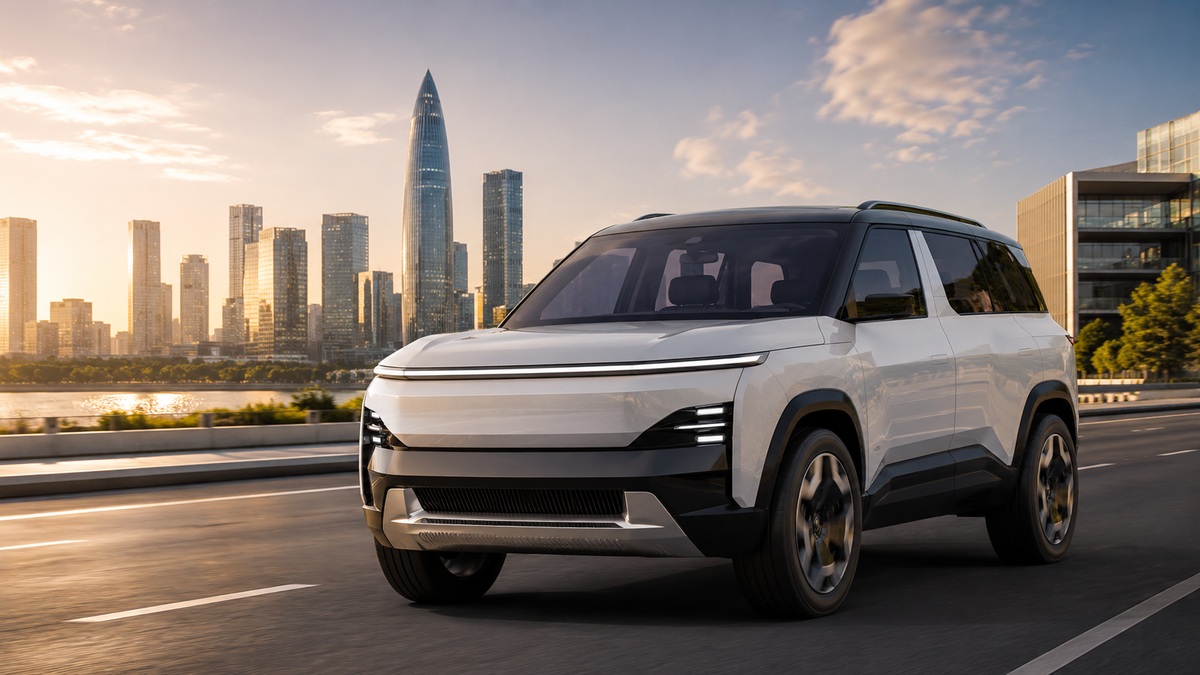
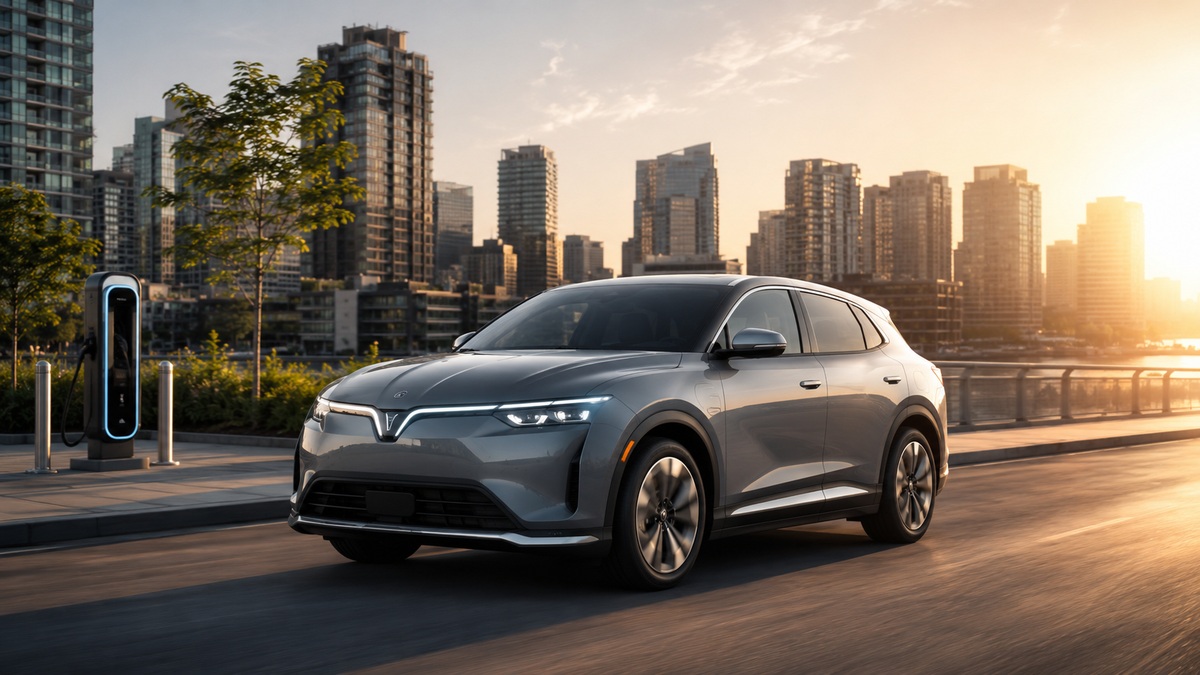
The company's first major push centers around the VF6 and VF7 electric SUVs. The VF6 enters one of the most contested EV segments in the country, competing against products from Tata, Mahindra, Hyundai and MG. Pricing has emerged as one of the biggest talking points because local assembly in Tamil Nadu has allowed VinFast to position the vehicle aggressively.
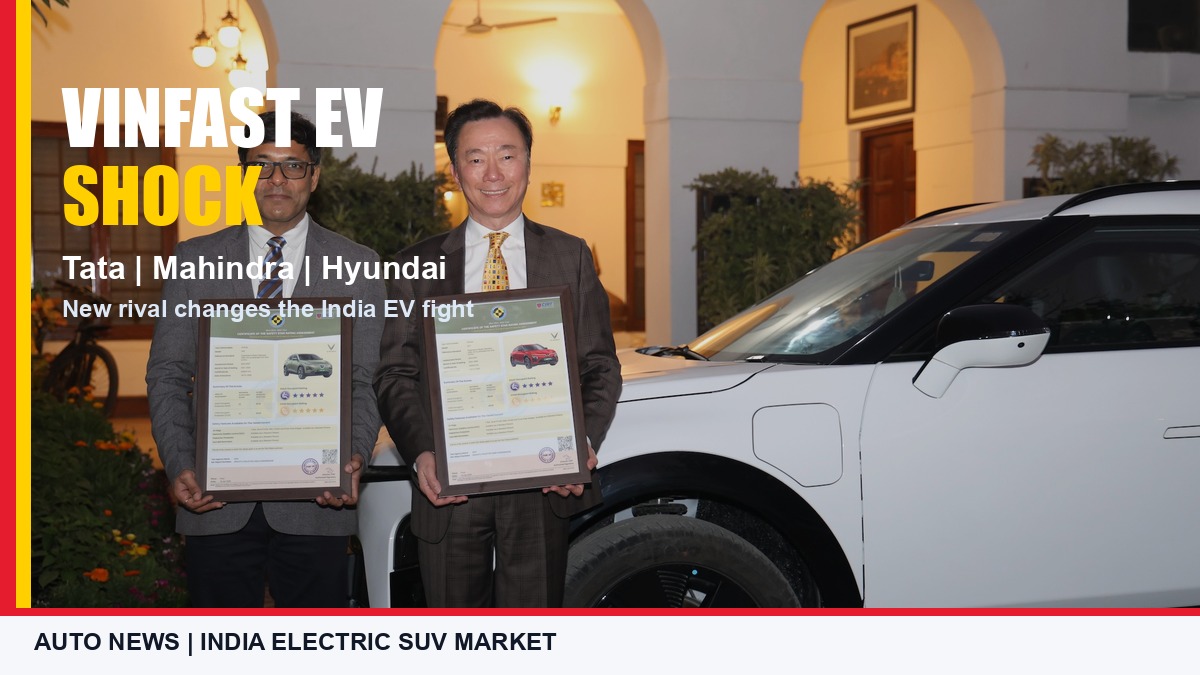
At the same time, both the VF6 and VF7 have achieved five-star Bharat NCAP safety ratings. In a market where safety is increasingly influencing purchase decisions, this immediately gives the brand credibility among Indian buyers.
The broader strategy extends beyond products. VinFast is building manufacturing capability, dealer networks, charging support and after-sales infrastructure simultaneously. The company has also introduced buyer confidence measures including assured value programs designed to reduce concerns around resale value.
Missing Details
Despite the positive headlines, several critical questions remain unanswered. Long-term service quality remains largely untested. Established manufacturers benefit from decades of network development, whereas new entrants must prove their ability to support customers over years of ownership.
Battery durability in Indian operating conditions is another area that requires longer-term observation. While warranty coverage appears competitive, real-world ownership data remains limited.
Charging network integration is also evolving. While the company has outlined ecosystem ambitions, buyers will ultimately judge convenience based on everyday usability rather than strategic announcements.
Contradictions and Open Questions
The available information presents a few notable contrasts. On one hand, official safety testing results demonstrate strong engineering capability. On the other hand, some road-test evaluations have highlighted concerns involving ADAS calibration, interface complexity and real-world efficiency.
Range claims also deserve careful examination. Claimed figures look competitive on paper, but independent testing suggests real-world results can vary significantly depending on conditions and usage patterns.
There are also differences in product positioning across various reports. Some descriptions emphasize affordability and accessibility, while others frame the vehicles as premium alternatives. The reality likely sits somewhere between those two narratives.
Buyer Advice
For consumers considering an EV purchase today, VinFast deserves serious consideration, but not blind enthusiasm.
Buyers prioritizing safety will find the five-star Bharat NCAP ratings particularly attractive. Those seeking modern styling, strong feature lists and competitive pricing may also discover compelling value.
However, prospective customers should evaluate dealership proximity, service infrastructure and charging convenience before making a decision. New brands can offer impressive specifications, but ownership experience ultimately determines long-term satisfaction.
Shoppers comparing alternatives should conduct back-to-back test drives against established competitors. Attention should be paid not only to acceleration and features but also to software usability, cabin ergonomics, ride quality and after-sales confidence.
Market Impact
The arrival of another credible EV manufacturer matters because India's electric transition is entering a more competitive phase. Early market leaders can no longer rely solely on first-mover advantages.
VinFast's pricing strategy has the potential to place pressure on margins throughout the industry. If consumers perceive equivalent safety, technology and range at lower prices, competitors may be forced to respond with incentives, feature upgrades or pricing adjustments.
The company's local manufacturing investment also sends an important signal. International EV players increasingly recognize India not merely as a sales destination but as a strategic production hub.
That trend could accelerate investment, supplier development and broader EV adoption.
Competitor Impact
Tata Motors: Tata remains the benchmark for scale in India's EV sector, but it now faces a challenger willing to compete aggressively on price and safety credentials. Maintaining leadership may require faster product refresh cycles and stronger differentiation.
Mahindra: Mahindra's new-generation EV lineup has generated strong enthusiasm. VinFast introduces additional competition precisely where Mahindra hopes to grow. The battle could become especially intense in electric SUV categories.
Hyundai: Hyundai has traditionally relied on technology, quality and brand trust. VinFast's combination of features and pricing creates pressure to justify premium positioning.
MG and Others: Smaller EV players may feel the impact even more sharply as buyer attention becomes increasingly fragmented.
Future Outlook
The next two years will determine whether VinFast becomes a lasting force or simply another ambitious entrant. Success depends on execution rather than announcements.
If the company can maintain competitive pricing, deliver reliable service support and continue expanding its ecosystem, it could establish itself as a meaningful player in the Indian market.
Failure to meet customer expectations, however, would quickly expose the challenges that have historically confronted new automotive brands.
Conclusion
India's EV market has reached an inflection point. VinFast's arrival introduces a new competitive dynamic that established manufacturers can no longer ignore. Strong safety ratings, attractive pricing, local manufacturing and ambitious growth plans give the company a credible foundation.
Whether that foundation translates into long-term success remains uncertain. What is clear is that Tata, Mahindra, Hyundai and every major EV player now face a competitor that few expected to emerge as quickly as it has.
FAQ
Why is VinFast attracting attention in India?
Its combination of pricing, safety ratings, local assembly and feature-rich products has made it one of the most closely watched EV entrants.
Which vehicles has VinFast launched?
The company has launched the VF6 and VF7 electric SUVs.
Are the vehicles safe?
Both models have achieved five-star Bharat NCAP ratings.
Who are the main rivals?
Key competitors include Tata, Mahindra, Hyundai, MG and other electric SUV manufacturers.
What is the biggest challenge for VinFast?
Building long-term customer confidence through service quality, infrastructure and ownership experience.