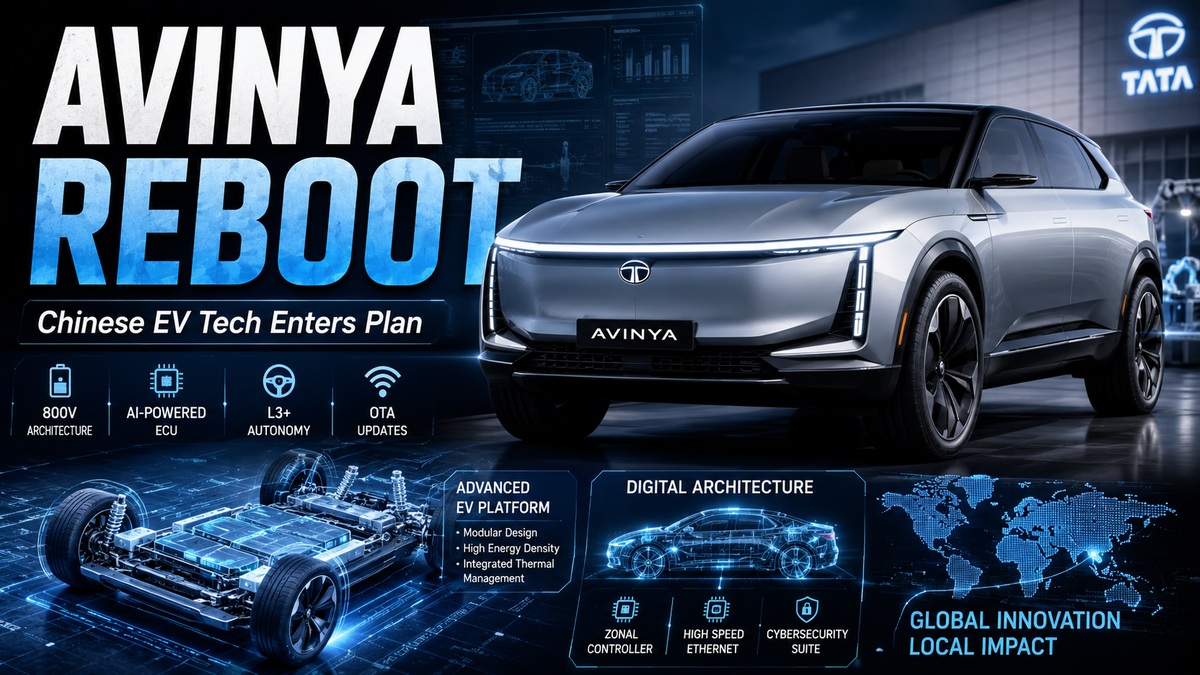
Tata Motors is reportedly moving away from its earlier premium EV development approach and licensing Chery-linked electric vehicle architecture for future Avinya products. The decision reflects changing economics in the global EV industry and could significantly accelerate Tata's premium electric ambitions.
Introduction
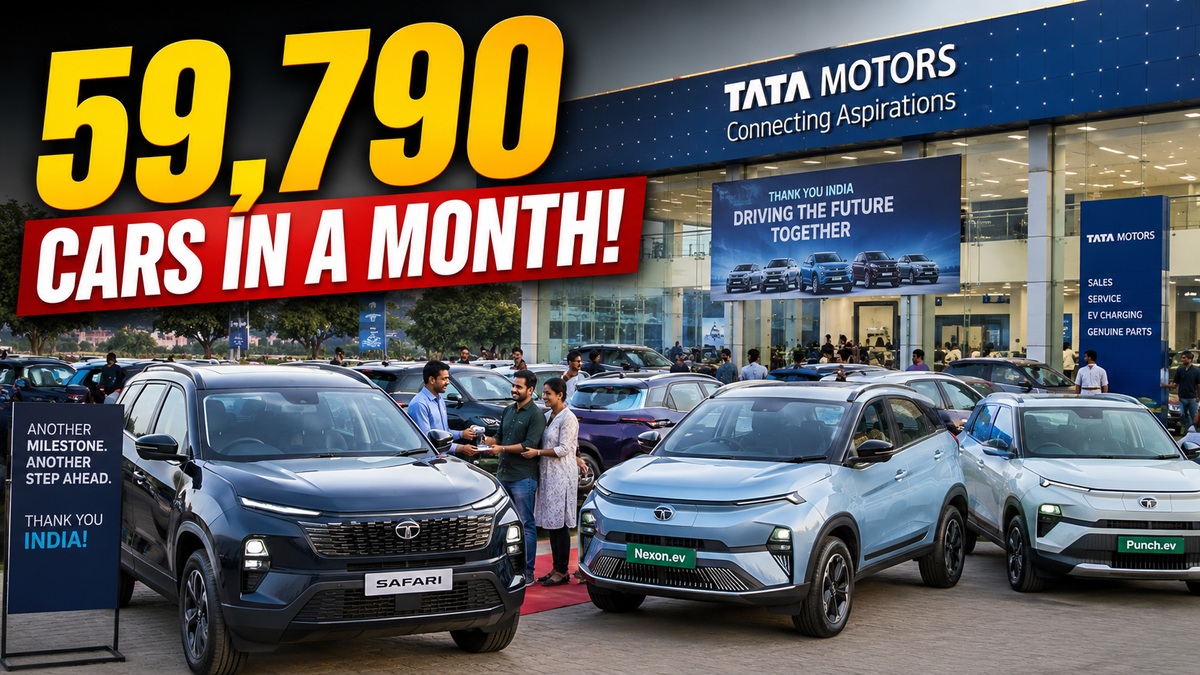
Tata Motors has spent years building a dominant position in India's electric passenger vehicle market. Through products such as the Nexon EV, Tiago EV and Punch EV, the company established itself as the country's leading electric car manufacturer. However, the premium EV segment presents a very different challenge. Buyers expect cutting-edge software, longer driving range, advanced architectures, faster charging and global standards of refinement.
Against this backdrop, reports indicate Tata Motors has chosen to license advanced EV technology linked to Chinese automaker Chery for its future Avinya lineup. If fully implemented, the decision would represent one of the most significant strategic pivots in the history of India's EV sector.
What Happened
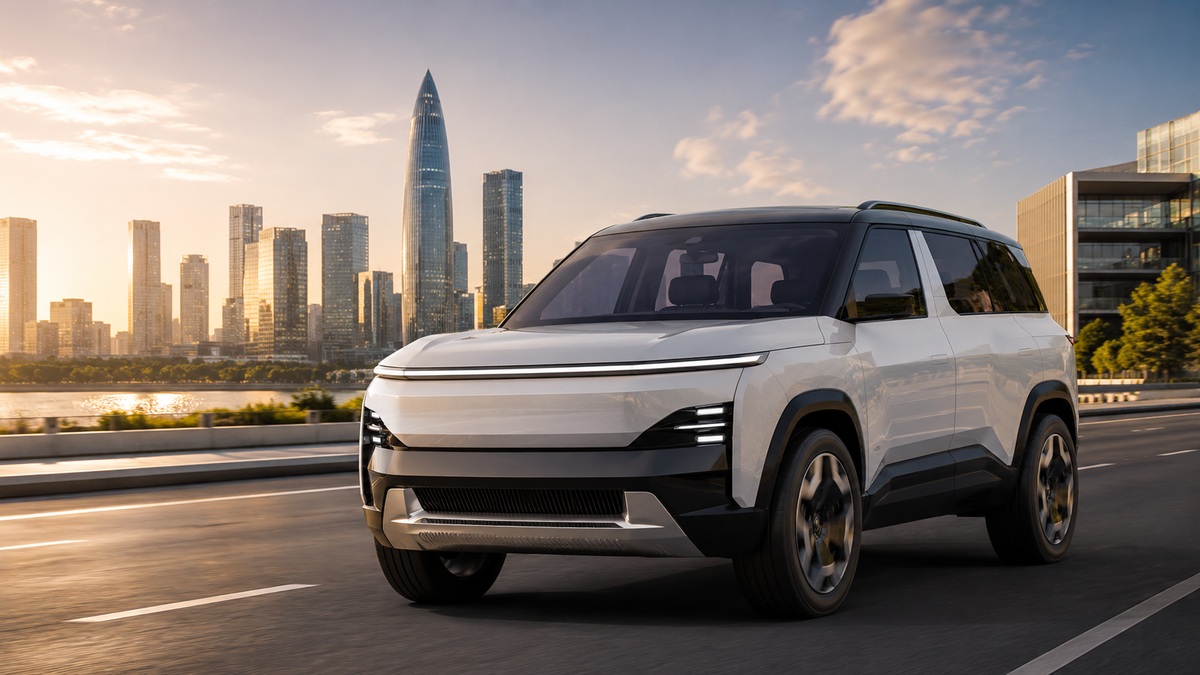
According to reporting referenced in the editorial brief, Tata Motors is expected to utilize a Chery-linked EV architecture for future Avinya models instead of continuing along its previously anticipated premium EV development route. Industry reports suggest the company determined that licensing an already-developed architecture could reduce development complexity and accelerate product launches.
The Avinya project has long been positioned as Tata's premium electric sub-brand, intended to introduce a new generation of electric vehicles with distinctive design, advanced technology and enhanced user experiences. Early plans centered on a different technological pathway, but competitive pressure and changing market realities appear to have influenced the company's thinking.
The reported strategy allows Tata to leverage an existing global EV platform while focusing resources on localization, manufacturing, software integration, design differentiation and customer experience.
Why It Matters
This story extends far beyond a single vehicle launch. It highlights a broader trend unfolding across the global automotive industry. Developing next-generation EV architectures requires enormous investments, long development cycles and significant technical expertise.
Even large manufacturers increasingly seek partnerships, licensing agreements and platform-sharing arrangements to reduce risk and accelerate product introductions. For Tata Motors, the decision appears driven by a desire to bring premium EVs to market faster while remaining competitive against both domestic and international rivals.
The move also illustrates the growing influence of Chinese EV technology worldwide. Chinese manufacturers have invested heavily in battery systems, software platforms, electronics integration and scalable EV architectures. As a result, many global automakers are exploring partnerships that would have seemed unlikely just a few years ago.
For India's automotive sector, this development may become a defining moment. It demonstrates how global competition is reshaping traditional assumptions about vehicle development and technological independence.
Market Impact
The premium EV market in India remains relatively small compared with mass-market segments, but it is growing rapidly. Consumers are becoming more comfortable with electric vehicles, charging infrastructure continues to expand and manufacturers are introducing increasingly sophisticated products.
Tata's reported platform strategy could allow the company to enter the premium EV space with more mature technology than would otherwise be possible within the same timeframe. Faster product development may help Tata compete more effectively against both established manufacturers and newer entrants.
The broader market impact could be substantial. A stronger Avinya portfolio may accelerate consumer adoption of premium EVs and encourage competitors to increase investments in technology, software ecosystems and charging solutions.
Industry observers will also watch how regulators, suppliers and investors respond to increasing international technology collaboration within India's automotive sector.
Competitor Impact
Several automakers could feel the effects of a strengthened Avinya program.
Mahindra has invested heavily in its BE and XEV electric vehicle families. A faster-moving Tata premium EV lineup would increase pressure on Mahindra to maintain aggressive launch schedules and technological differentiation.
JSW MG Motor India continues expanding its EV portfolio and has shown strong interest in advanced electric platforms and connected vehicle technologies. A more competitive Avinya range could intensify the battle for premium EV customers.
Hyundai and Kia are also expected to expand their electric offerings in India. Global EV expertise has traditionally been one of their strengths, but Tata's access to advanced architecture could narrow the perceived technology gap.
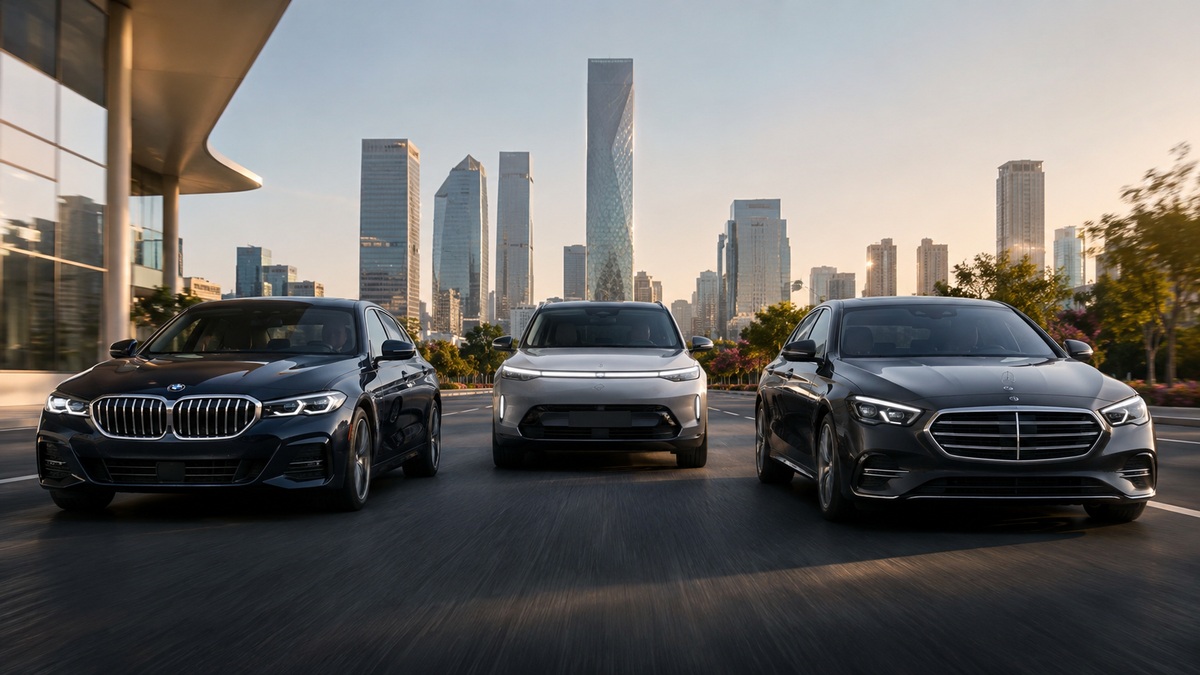
Meanwhile, BYD remains an important benchmark in the EV sector. Any successful Tata premium EV strategy will inevitably be compared against the technological capabilities and customer value propositions offered by Chinese EV specialists.
Consumer Impact
For buyers, the reported strategy shift may ultimately prove beneficial.
Access to a mature EV architecture could deliver advantages in vehicle performance, efficiency, software functionality, safety integration and charging capability. Consumers often care less about where a platform originates and more about the overall ownership experience.
If development timelines shorten, customers could see premium Avinya products arrive sooner than expected. That may expand the range of choices available to Indian EV buyers seeking larger, more sophisticated electric vehicles.
Increased competition generally benefits consumers by encouraging manufacturers to improve technology, pricing and after-sales support.
Future Outlook
The next several years will determine whether this strategy becomes a turning point for Tata Motors. Execution will be critical. Successfully integrating external platform technology while preserving brand identity is never straightforward.
Tata must ensure future Avinya products feel distinctly Tata despite their underlying architecture. Design, software, user interface, localization and customer experience will all play major roles in determining market acceptance.
The company also faces the challenge of balancing cost, technology and scale. Premium EV buyers expect world-class products, but affordability remains a major consideration in India.
If Tata can combine advanced architecture with strong localization and competitive pricing, the Avinya program could emerge as one of the most important premium EV initiatives in the country.
Conclusion
Tata Motors' reported decision to adopt Chery-linked EV architecture for future Avinya models represents more than a technical adjustment. It reflects changing realities within the global electric vehicle industry, where speed, scale and technology access increasingly influence strategic decisions.
While official implementation details will continue to evolve, the broader message is clear: the race for premium EV leadership in India is accelerating. By embracing external technology to shorten development cycles and strengthen product competitiveness, Tata Motors appears determined to remain a central player in the next phase of the country's electric mobility transition.
Frequently Asked Questions
What is Tata Avinya?
Avinya is Tata Motors' premium electric vehicle program focused on next-generation EVs with advanced technology and distinctive design.
Why is Tata reportedly using Chery technology?
The strategy may help accelerate development, reduce costs and improve competitiveness in the premium EV segment.
When could the first new Avinya models launch?
Industry reporting referenced in the story brief points to launches later in the decade, with development timelines influenced by the new platform strategy.
Will this affect EV buyers?
Potentially yes. Buyers may benefit from more advanced technology, improved range and faster availability of premium EV products.
Who are Tata's main competitors in this segment?
Mahindra, MG, Hyundai, Kia, BYD and future premium EV entrants are among the key competitors.
Related reading: Electric Vehicle News | Automotive Industry Coverage