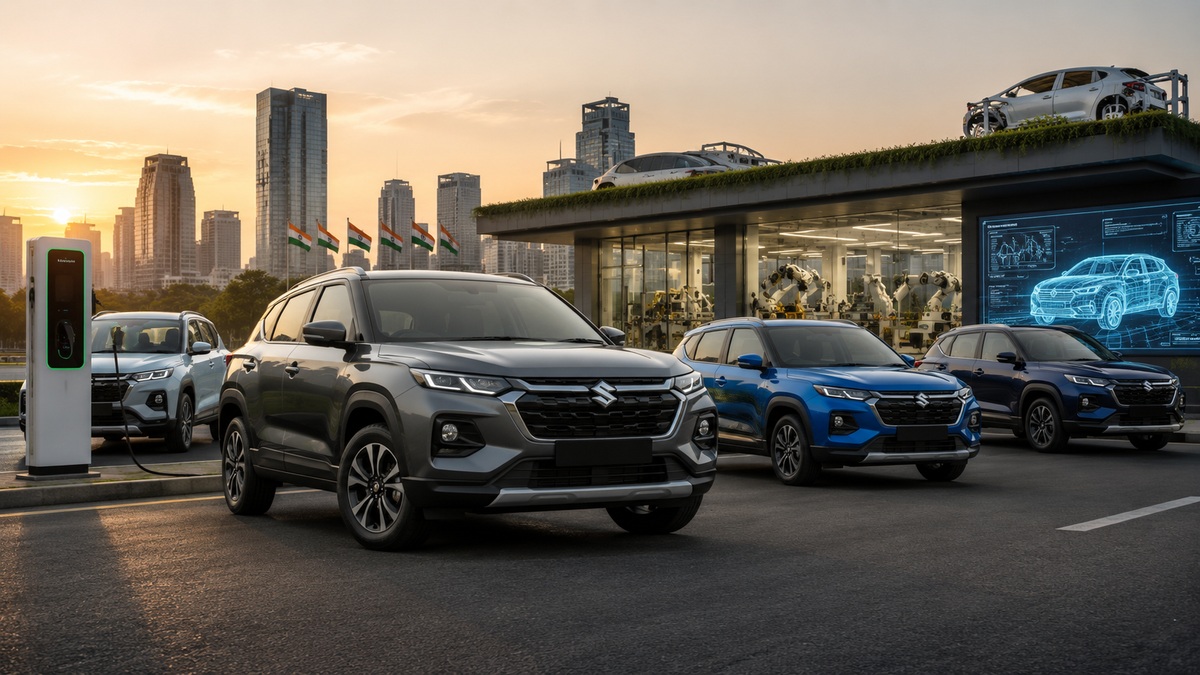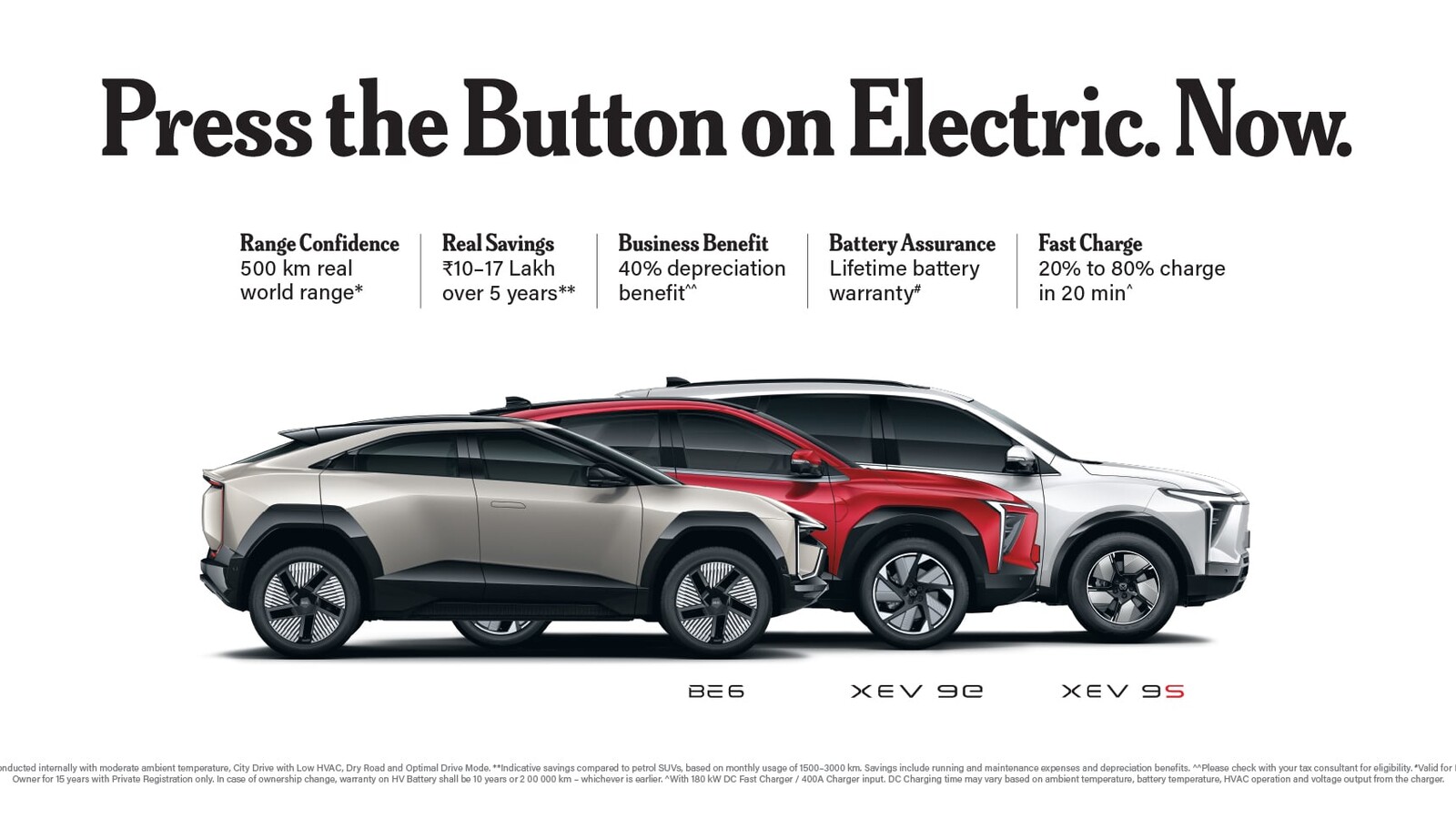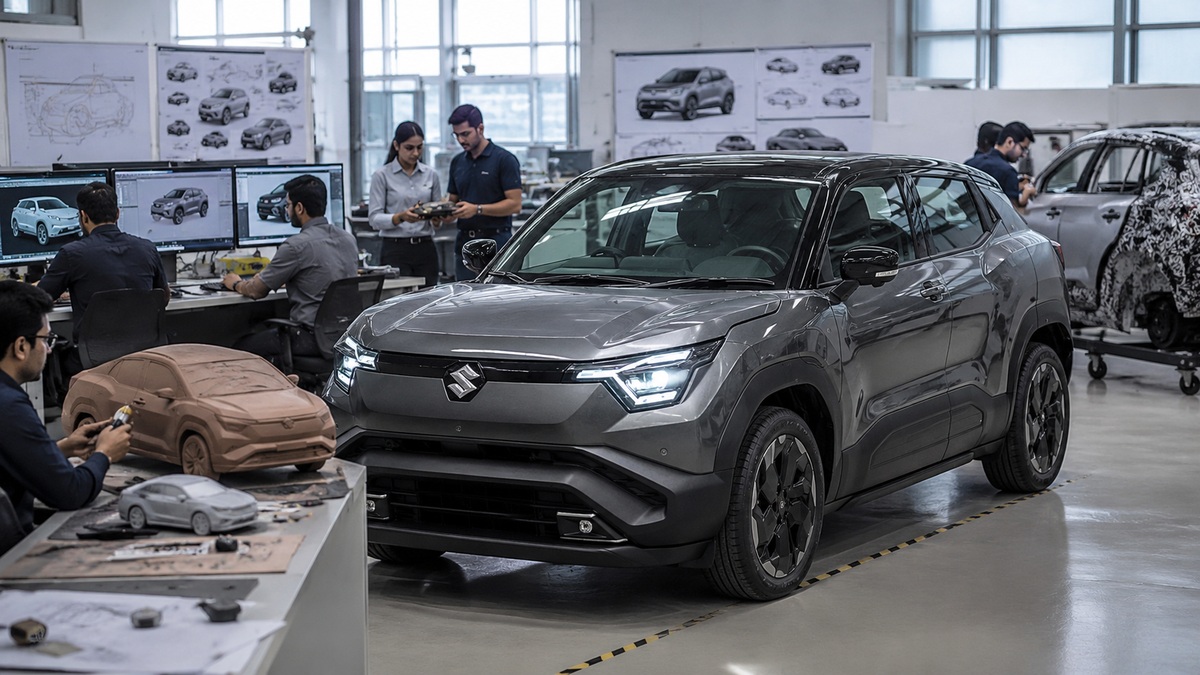
India’s largest passenger vehicle manufacturer is targeting significantly shorter product development timelines. While the headline figure is a 25 percent reduction in development cycles, the broader implication is much larger: faster launches, quicker feature updates, more frequent facelifts and increased pressure on competitors.
Introduction
The Indian automotive industry has spent the past decade adapting to a relentless pace of change. Regulatory shifts, electrification, connected technologies, safety requirements and rapidly evolving customer expectations have forced manufacturers to rethink how they design, engineer and launch vehicles.
Against that backdrop, one development stands out for its potential to reshape the competitive landscape. India’s largest carmaker is targeting a 25 percent reduction in vehicle development timelines, a move that could fundamentally change the rhythm of product launches in the country.
On the surface, the announcement appears to be an operational improvement. In reality, it has implications that extend far beyond engineering departments. Faster development cycles could influence everything from model refresh schedules and technology adoption to pricing strategies and competitive positioning.
For consumers, the shift could mean a future where new vehicles, facelifts and feature updates arrive more frequently. For rival manufacturers, it raises a critical question: how quickly can they respond?
What Happened
The company has reportedly set a goal of reducing vehicle development timelines by approximately 25 percent. While specific implementation details remain limited, the objective appears to be part of a broader effort to accelerate product planning and strengthen future launch activity.
Historically, vehicle development has been a lengthy process involving concept creation, engineering validation, supplier integration, testing, regulatory compliance and manufacturing readiness. Depending on vehicle type and market scope, development timelines can extend across several years.
A 25 percent reduction is therefore significant. Such a change would allow products to reach showrooms sooner while enabling manufacturers to react more quickly to emerging trends.
The timing is notable. The Indian market is experiencing intense competition across multiple segments including compact SUVs, midsize SUVs, premium hatchbacks, MPVs and electrified vehicles. Product freshness has become an increasingly important factor in purchasing decisions.
Manufacturers can no longer afford long gaps between updates. Customers expect continuous improvements in infotainment systems, safety technology, connectivity features and powertrain efficiency.
Why This Matters More Than It Appears
The automotive industry increasingly resembles the consumer electronics sector in one important respect: technology ages quickly.
A feature that feels advanced today can become a segment expectation within a few years. Wireless connectivity, advanced driver assistance systems, larger infotainment displays and enhanced safety equipment have all followed this pattern.
Faster development cycles provide manufacturers with greater flexibility. Instead of waiting for a full model replacement, they can integrate new technologies earlier in a product's lifecycle.
This capability becomes especially important as software content increases. Vehicles are becoming more digital, and customer expectations continue to rise. The ability to respond quickly may become as important as engineering excellence itself.
Missing Details That Still Matter
Although the strategic objective is clear, several important details remain undisclosed.
First, there is limited information regarding the baseline development timeline being measured. A 25 percent reduction has different implications depending on whether the original cycle was four years, five years or longer.
Second, the company has not publicly detailed the specific tools and processes expected to deliver the improvement. Modern automotive development increasingly relies on digital simulation, virtual validation, software-driven testing and modular vehicle architectures. Understanding which of these methods are being prioritized would provide better insight into how sustainable the target may be.
Third, it remains unclear whether the accelerated timeline will apply equally across internal combustion vehicles, hybrids and future electric vehicles. Different propulsion technologies often require different development approaches.
Another unanswered question involves supplier integration. Modern vehicles rely on extensive supplier networks. Development speed improvements often depend not only on manufacturers but also on the responsiveness of component partners.
Contradictions and Open Questions
The available reporting generally aligns around the central objective of achieving approximately 25 percent faster development cycles. However, publicly available snapshots provide limited context regarding execution timelines, target product programs and measurable milestones.
One challenge is that accelerated development can sometimes create concerns around validation and testing. Manufacturers must ensure that shorter timelines do not compromise durability, safety or quality standards.
Another question involves product complexity. Modern vehicles are more technologically sophisticated than ever before. As software, connectivity and safety systems become increasingly integrated, development complexity continues to rise. Whether faster timelines can be achieved consistently across multiple vehicle categories remains to be seen.
At present, there is no evidence suggesting quality standards will be compromised. However, the balance between speed and validation will be closely watched across the industry.
What It Means for Buyers
For consumers, the implications are largely positive.
One likely outcome is more frequent product refreshes. Buyers could see updated styling, improved technology packages and new features arriving sooner than in previous generations.
Another benefit could be faster adoption of emerging technologies. Features that might once have required waiting for an entirely new model generation could potentially be introduced through earlier updates.
Buyers considering a purchase may also benefit from increased competitive pressure. As manufacturers accelerate development and launch schedules, consumers often gain access to better equipment levels, stronger value propositions and improved ownership experiences.
However, there is a trade-off. Faster product cycles can make vehicles feel older sooner. Customers who prioritize owning the latest version may find update intervals shortening across multiple segments.
From a resale perspective, market behavior will depend on how substantial future updates become. Minor software improvements typically have limited impact, while major design or technology revisions can influence used-vehicle values.
Market Impact: A Potential Industry-Wide Shift
The broader market implications may prove even more significant than the direct benefits to consumers.
When the market leader changes strategy, competitors rarely ignore it. If accelerated development translates into more frequent launches and stronger product momentum, rival manufacturers may feel pressure to respond.
The Indian passenger vehicle market is already highly competitive. Success increasingly depends on maintaining product relevance throughout a model's lifecycle.
Shorter development cycles could encourage greater investment in digital engineering tools, virtual validation systems and flexible manufacturing processes. Over time, this may improve overall industry efficiency.
The trend also aligns with global automotive practices. Leading international manufacturers have been working to reduce development times through platform sharing, modular architectures and advanced simulation technologies. India appears poised to become a more active participant in that evolution.
Competitor Impact
Several major manufacturers could be affected if accelerated development becomes a sustained competitive advantage.
Hyundai and Kia have historically been recognized for rapid feature adoption and strong refresh strategies. Faster development from the market leader could intensify competition in technology-rich segments.
Tata Motors and Mahindra have built strong momentum through aggressive product launches and SUV-focused strategies. Increased development speed across the industry could raise expectations regarding update frequency and innovation.
Toyota and Honda may also face pressure to maintain product freshness in key segments. While both brands enjoy strong reputations for reliability and engineering quality, market expectations increasingly extend beyond durability alone.
The competitive impact may be most visible in the compact and midsize SUV categories, where product cycles have become critical to maintaining market share.
Future Outlook
Looking ahead, the significance of this strategy will depend on execution rather than ambition.
If the company successfully reduces development timelines while maintaining quality and reliability, the benefits could extend across its entire portfolio. Future launches may arrive more quickly, facelifts could appear sooner and technology updates may become more frequent.
The initiative also arrives at a pivotal moment for the industry. Electrification, software-defined vehicles, connected services and evolving safety standards are all increasing development complexity.
Manufacturers that master speed without sacrificing quality will likely enjoy a meaningful advantage. Those that cannot keep pace may find product cycles becoming a competitive weakness.
The next several years will reveal whether this target becomes a one-time operational improvement or the beginning of a broader transformation in how vehicles are developed and launched in India.
Conclusion
A 25 percent reduction in vehicle development timelines may sound like an engineering metric, but its consequences reach far beyond the design studio.
For buyers, it could mean quicker access to new technology and more frequent product updates. For competitors, it may create pressure to accelerate their own development programs. For the industry as a whole, it signals a growing emphasis on speed, agility and responsiveness.
The real story is not simply about developing cars faster. It is about changing the pace at which the Indian automotive market evolves.
If the strategy succeeds, consumers may soon experience a market where innovation reaches showrooms more quickly than ever before.
Frequently Asked Questions
What is the reported development target?
The company is targeting approximately a 25 percent reduction in vehicle development timelines.
Why is faster development important?
It enables quicker launches, faster feature adoption and greater responsiveness to market trends.
Will buyers benefit?
Potentially yes. Buyers could see more frequent updates, newer technology and stronger competition among manufacturers.
Could quality be affected?
There is no indication that quality standards will be reduced. Maintaining validation and testing standards remains essential.
Which competitors could feel the impact?
Major passenger vehicle manufacturers including Hyundai, Kia, Tata Motors, Mahindra, Toyota and Honda may face pressure to accelerate development and refresh cycles.